





The Case for Carnage
There’s a reason audiences flock to movies that promise a bloodbath. Explicit gore delivers a visceral, gut-punch reaction that’s hard to fake. For many, it’s the primary payoff of the genre. When Art the Clown appears on screen in the 'Terrifier' series,
fans aren't hoping for subtle, off-screen implications; they are expecting a spectacle of practical effects and stomach-churning violence. These films operate on a promise of pure, uncut transgression, and the extreme gore is the fulfillment of that promise. Filmmakers like Damien Leone use over-the-top gore to create a specific kind of horror that is unapologetically nasty. It’s a return to the 'video nasty' era, where the primary goal is to shock and test the limits of the audience. The viral reports of people fainting or walking out of 'Terrifier' sequels only served as a badge of honor, proving the film’s power to provoke a physical response. In this context, gore isn't just an element; it's the main event.
When Less Is More
On the other side of the blade is the school of suggestion. The most revered slashers in history are often surprisingly restrained. John Carpenter’s original 1978 'Halloween' is a masterclass in tension, yet it is nearly bloodless by modern standards. The film’s terror comes from Dean Cundey’s prowling cinematography, the relentless dread of Carpenter’s own minimalist score, and the eerie emptiness of the frame where Michael Myers could be lurking. You're scared of what you don't see. Similarly, Tobe Hooper’s 1974 'The Texas Chain Saw Massacre' has a reputation for being a brutal gorefest, but it’s famously less graphic than people remember. The film’s power comes from its grimy, unnerving atmosphere, the frantic sound design, and the sheer psychological terror of the situation. It makes you feel like you’ve seen something horrific, proving that the viewer's imagination is often a more potent tool for horror than any bucket of fake blood.
Gore as a Storytelling Tool
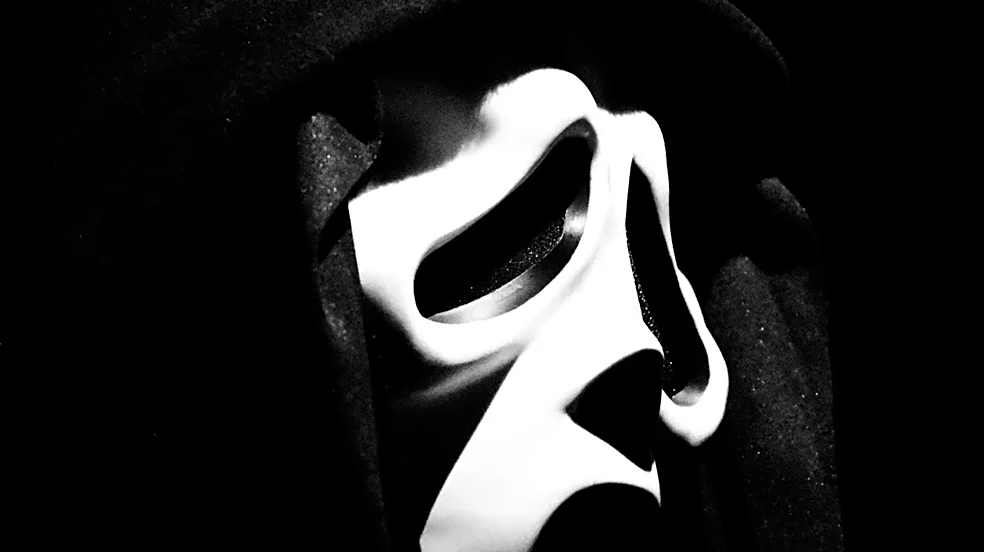
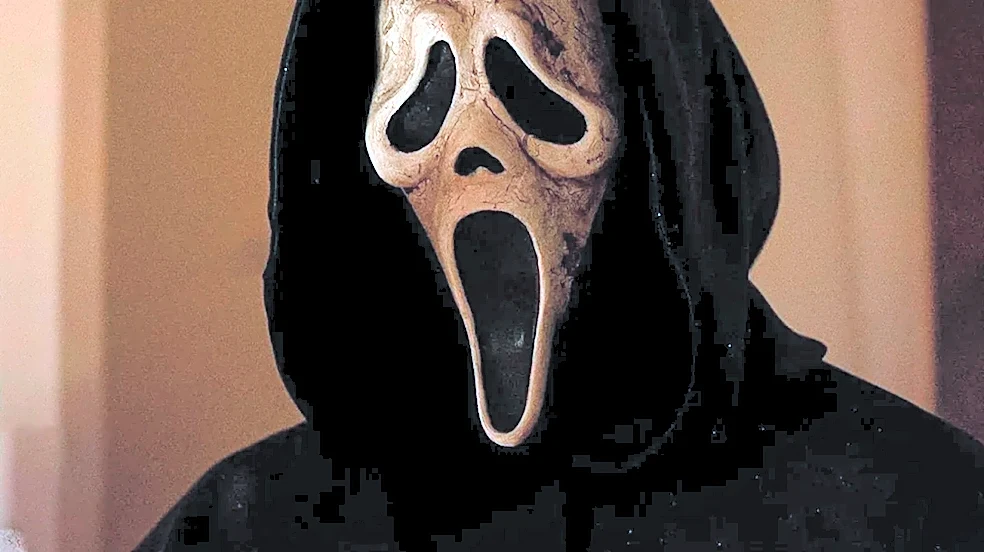
The most effective slashers understand that gore isn't just a volume knob to be turned up or down; it’s a tool that must serve a purpose. In Wes Craven’s 'Scream,' the violence is sharp and shocking, but it functions within a satirical framework. The film uses the slasher formula to comment on the genre itself, and the kills, while brutal, are part of a larger meta-narrative about horror movie tropes. The gore matters because it grounds the film's witty deconstruction in real, painful stakes. In other films, violence can be a punchline. The 'Evil Dead' franchise uses geysers of blood for darkly comedic effect. It can also be a character beat. In 'You're Next,' the violence demonstrates the final girl’s surprising resourcefulness, turning the tables on the home invaders in a way that is both gruesome and deeply satisfying. These films show that the context and creativity of the gore are what make it memorable, not just the quantity.
The Modern Slasher's Bloodlust
So where does that leave us today? The slasher genre is thriving, and it’s more divided than ever. On one end, you have the renaissance of extreme, practical-effects-driven horror, epitomized by the 'Terrifier' franchise, which has found massive success by going harder than anyone else. On the other, films like 'Hush' prove that a clever, high-concept premise can be just as terrifying as a graphic kill. The rise of so-called 'elevated horror' has often been positioned as a move away from simple gore, favoring psychological depth and metaphor. Yet, even within this space, filmmakers are finding new ways to use violence. The best modern slashers often blend digital and practical effects to enhance their kills, using technology to make traditional gore feel even more visceral. It seems the modern appetite allows for both brutal minimalism and operatic bloodbaths, as long as the film delivers on its chosen vision.