








The Anatomy of a Public Fall
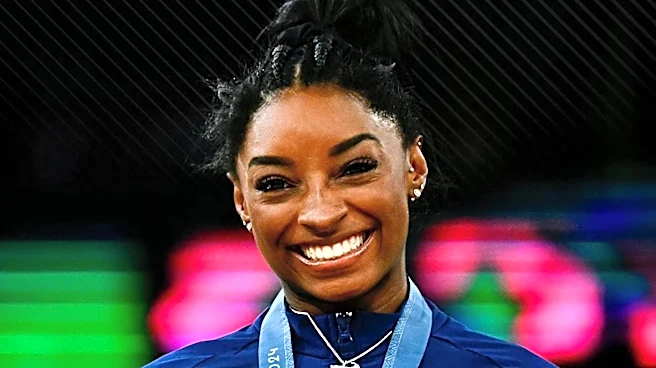
Before there can be a redemption, there must be a fall. And a public fall is unlike any other. For an elite athlete, a high-stakes failure isn’t just a loss; it’s a global spectacle. Think of gymnast Simone Biles at the Tokyo Olympics. Expected to dominate,
she instead withdrew from multiple events, citing the immense mental pressure and a dangerous condition known as “the twisties,” where a gymnast loses their spatial awareness in mid-air. The world saw not a superhero, but a human being struggling under an impossible weight. This vulnerability is key. The public nature of the failure—the headlines, the social media commentary, the endless replays—creates a collective memory of the low point. It’s a shared experience of someone else's struggle, setting the stage for a narrative we can all invest in.
Our Shared Investment in the Struggle
Once an athlete has fallen from grace, the audience’s relationship with them changes. We are no longer just spectators; we become stakeholders in their journey back. Psychologically, we're drawn to these comeback arcs because they mirror our own hopes for second chances. The athlete’s struggle becomes a proxy for our own. We see their grueling training, their moments of doubt, and their refusal to quit, and it validates our own belief in resilience. This is amplified on a national scale. When an athlete represents a country, their story becomes part of the national identity. Their fight is our fight. Their eventual success feels like a collective victory, a testament not just to their character, but to a spirit we all want to believe we share.
The Unthinkable Pressure of the Return
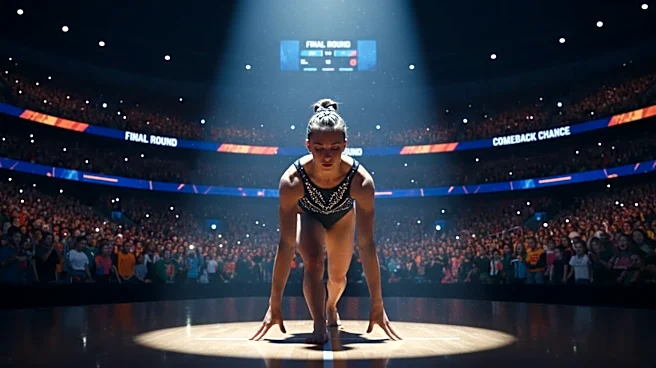
Returning to the arena after a public failure requires unimaginable mental fortitude. Every move is scrutinized, every performance weighed against the memory of what went wrong. The pressure is immense, which is precisely what makes the triumph so breathtaking. Consider Tiger Woods at the 2019 Masters. After years of personal scandals and career-threatening injuries, many had written him off entirely. By 2017, his ranking had plummeted, and his future in golf was uncertain. But on that Sunday at Augusta, with the world watching, he methodically climbed the leaderboard. It wasn't just his first major win in 11 years; it was a comeback from a personal and professional abyss. The final putt wasn’t just to win a tournament; it was to rewrite a narrative that had seemed permanently fixed. The roar from the crowd was more than just applause; it was a release of years of pent-up hope and doubt.
It's Always More Than Just the Win
Ultimately, a redemption story resonates because it’s not just about the trophy. The victory is simply the final punctuation mark on a much deeper story about human character. Simone Biles returning to win a bronze medal on the balance beam in Tokyo wasn't her biggest haul, but it was arguably her most meaningful. It was a victory over her own mental block, a statement that prioritizing health is not a weakness. For Woods, the 2019 Masters win was his 15th major, but it felt different from all the others. It was proof that even after a spectacular fall, it's possible to find your way back. These moments become legendary because they transcend sport. They offer a tangible, electrifying example of the hero's journey—a narrative archetype of fall and rebirth that is fundamental to human storytelling. The athlete doesn’t just win a game; they reclaim their story in front of millions, and in doing so, they give us all a reason to believe in the possibility of our own comebacks.