





The Tyranny of the Schedule
Let’s be honest: the sheer scale of a major film festival is designed to be impossible. The 2026 BFI London Film Festival, for instance, boasts over 250 features, shorts, and series from nearly 90 countries. It's a cinematic buffet spread across the city,
from the BFI Southbank to the grand Royal Festival Hall and numerous cinemas in between. The natural impulse is to treat it like a strategic challenge, a game of Tetris played with screening times and travel routes. You create complex spreadsheets, set alarms for ticket releases, and mourn the inevitable clashes. This approach, however, turns a cultural celebration into a logistical nightmare. You end up sprinting between venues, mainlining coffee, and watching the clock more than the screen. The focus shifts from the art to the act of acquisition, where the prize is a full calendar rather than a full heart.
Embrace the Art of Curation
The secret to festival joy isn't seeing everything; it's curating your perfect festival. Forget what the hype says you 'must see'. Instead, build a schedule around what genuinely excites you. Is it the new Danny Boyle film, a buzzy international debut, or a restored print of a Ken Russell classic? Maybe it's a specific theme, like the festival's 'Laugh' or 'Thrill' strands. By picking a handful of unmissable highlights, you give your experience a narrative shape. This isn't about restriction; it's about intention. You are no longer a passive consumer trying to tick every box, but an active curator designing a bespoke experience. A schedule with five or six carefully chosen films and plenty of breathing room is infinitely more rewarding than a frantic dash through fifteen that blur into one another. You’ll remember the films better, and more importantly, you’ll actually enjoy them.
Discover the Festival Beyond the Screen
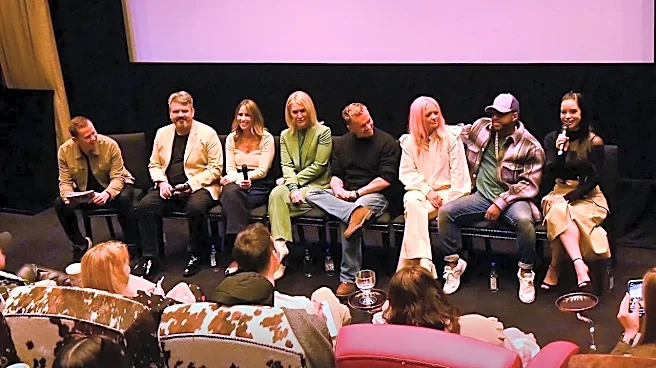
Some of the most memorable festival moments happen outside the theater. When you stop trying to cram in another screening, you create space for the festival's true magic. This could mean lingering after a film to listen to a Q&A with a director or star—this year features Screen Talks with names like Andrew Scott, Sofia Coppola, and Danny Boyle. It could mean grabbing a drink at the BFI bar and striking up a conversation with a stranger about the movie you both just saw. These shared moments of passion and debate are the lifeblood of festival culture. The atmosphere along the Southbank, with its mix of filmmakers, critics, and passionate fans, is an experience in itself. By treating the festival as more than just a delivery system for movies, you tap into the community and energy that make these events so special.
The Joy of the Unexpected Gem
A rigid, overstuffed schedule leaves no room for spontaneity. But when you build gaps into your day, you open yourself up to discovery. Perhaps a filmmaker you admire mentions a small, obscure film in their Screen Talk. Maybe the person next to you in line raves about a documentary you’d never heard of. With a flexible schedule, you can act on these tips. Many of the most beloved festival memories come from these unplanned detours—the tiny indie film with no distribution that ends up being your favorite of the year, or the short film program you wander into on a whim. Sold-out screenings often have last-minute returns, and a free afternoon means you can take a chance on the standby queue. This freedom to explore is a luxury that the 'see it all' approach simply can't afford. It transforms the festival from a checklist to be completed into an adventure to be had.