



1. Scarcity of Discovery, Not Access
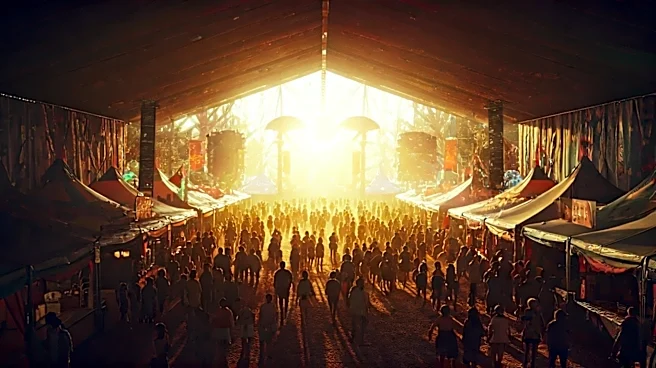
The worst kind of scarcity is a velvet rope. It’s the tiered system that screams, “You’re not important enough for this space.” Bonnaroo can flip this script by making scarcity about discovery. Instead of more exclusive viewing areas, imagine unannounced
sets at secret stages that aren’t on any map. Think about a legendary DJ playing a sunrise set at the Kalliope stage with only a few hours' notice spread by word-of-mouth, or a headliner doing a surprise acoustic performance in a remote corner of a campground. This kind of scarcity doesn't reward the wealthiest fans; it rewards the most adventurous and engaged ones. It encourages exploration and creates “you had to be there” moments that become festival lore, strengthening the community's bond rather than segmenting it.
2. Redefine the 'VIP' Experience
The traditional VIP package is lazy: a closer patch of grass, cleaner bathrooms, and a dedicated bar. For Bonnaroo, this model feels particularly shallow. By 2026, VIP—or better yet, a rebranded “Patron of the Arts” pass—should be about unique, community-building experiences. Instead of just front-of-stage access, what if it included a private masterclass with a festival artist, a curated meal cooked by a musician who loves to chef, or exclusive access to soundchecks? These perks offer genuine value and create unique stories without physically walling off VIPs from the general population. The goal should be to make the premium experience feel additive to the festival's culture, not subtractive from the general admission experience.
3. Introduce 'Earned' Scarcity for Veterans
Longtime fans are the festival's soul. They are the ones upholding the code to “Radiate Positivity,” helping strangers, and keeping traditions alive. So why not reward that loyalty directly? Bonnaroo could implement a system of “earned scarcity” that recognizes its veterans. Imagine if five-time attendees got a 24-hour presale window for tickets, guaranteeing their spot on The Farm. What about a special, limited-edition merch item available only to those who can prove they’ve been to 10 or more Roos? This isn’t about creating a hierarchy; it’s about acknowledging and honoring the people who have invested their time, money, and spirit into building the Bonnaroo community. It transforms scarcity from a purely commercial tool into a gesture of gratitude.
4. Make Merchandise Meaningful and Limited
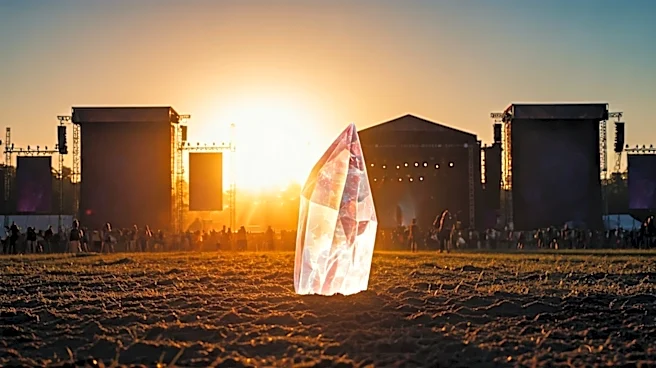
A lineup poster with a new date is not scarce; it’s just inventory. True collectible merchandise has a story. Bonnaroo can leverage scarcity here by moving beyond standard festival branding and creating hyper-limited runs of artist-designed items or pieces tied to specific on-site events. For example, a limited run of 200 shirts designed by the artist who created a major installation at The Fountain, sold only on-site. Or posters commemorating a one-time-only superjam, available only to those who attended the set. This approach gives merch meaning and makes owning it feel like holding a piece of festival history. The demand is driven by the art and the experience, not just a logo, which feels perfectly aligned with Bonnaroo’s creative spirit.
5. Gamify the Lineup Rollout
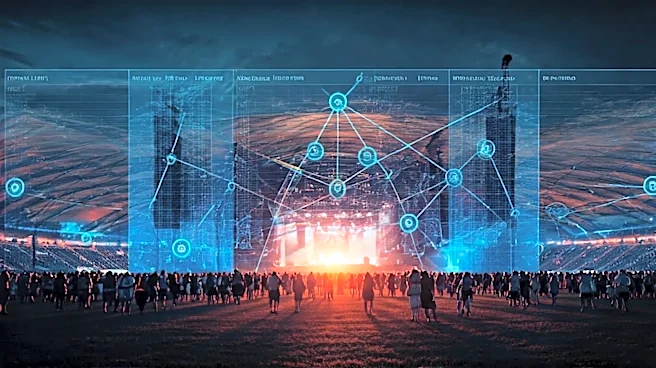
For months before the festival, the most scarce resource for fans is information. Bonnaroo already has a beloved tradition for this: the Roo Clues. Leaning into this even harder is a perfect way to use scarcity to build community. Instead of just a handful of clues, imagine a month-long Alternate Reality Game (ARG) where the entire community works together online to decipher cryptic puzzles, unlock artist names, and slowly reveal the poster. This makes the lineup reveal an active, collaborative event rather than a passive announcement. The scarcity of information becomes a game that everyone can play, fostering connection and hype long before anyone sets foot on The Farm.