




1. USA vs. Mexico: The Backyard Brawl
For American fans, this is the one that matters most. The United States and Mexico have been locked in a battle for North American soccer supremacy for decades. Rooted in geographic proximity and cultural overlap, the rivalry truly ignited in the early
2000s. The U.S. began to consistently challenge, and often beat, a Mexican team that had long considered itself the undisputed king of the CONCACAF region. The defining chapter is the legend of “Dos a Cero” (Two to Zero), a scoreline by which the U.S. famously defeated Mexico in four consecutive World Cup qualifiers in Columbus, Ohio, between 2001 and 2013. The most significant of these was in the Round of 16 at the 2002 World Cup. Every match is a tense, passionate, and often chippy affair, fueled by roaring crowds and the constant struggle for bragging rights. It’s a fight for respect right on our doorstep.
2. Argentina vs. Brazil: The Superclásico
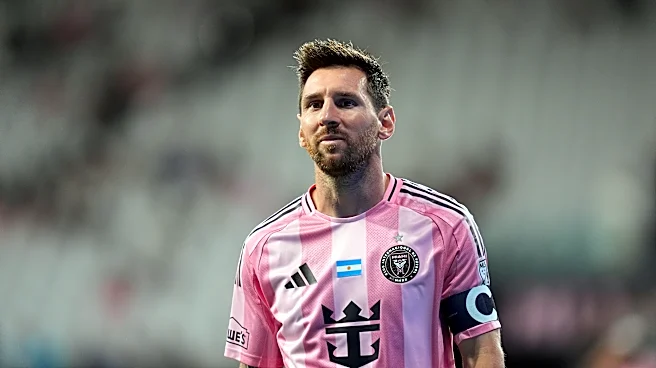
This isn’t just a rivalry; it’s a philosophical debate played out on a soccer pitch. Who is the greatest: Brazil’s Pelé or Argentina’s Diego Maradona? And now, Neymar or Lionel Messi? The “Superclásico de las Américas” pits two of the world’s most successful and decorated soccer nations against each other for the title of South America’s best. It’s a clash of styles: Brazil’s fluid, joyful joga bonito (beautiful game) against Argentina’s fierce, passionate, and street-smart approach.
Their meetings are legendary, filled with technical brilliance, cynical fouls, and unbearable tension. From World Cup showdowns to fiery Copa América finals, the games are appointment viewing. The rivalry is so deeply embedded in their national identities that a loss to anyone else is disappointing, but a loss to each other is a national tragedy. It’s the gold standard of international animosity.
3. England vs. Germany: History on the Pitch
Some rivalries are about geography; this one is about history, both on and off the field. While the two nations have a complex political past, their soccer feud was cemented in the 1966 World Cup Final. England won its only World Cup on home soil with a controversial goal that Germans still insist never crossed the line.
Germany has had its revenge many times over. They knocked England out of the 1970 World Cup, won a soul-crushing penalty shootout in the 1990 World Cup semifinal, and did it again at Euro '96. More recently, Germany was the beneficiary of a clear English goal that wasn't given in the 2010 World Cup. For England, playing Germany is an exercise in hope and, more often than not, glorious failure. For Germany, it’s just another high-stakes game they expect to win. It’s a one-sided psychological war that makes for compelling television.
4. Netherlands vs. Germany: The Grudge Match
If England vs. Germany is a historical rivalry, Netherlands vs. Germany is a flat-out grudge. The animosity is deeply rooted in the German occupation of the Netherlands during World War II, a wound that sports could never fully heal. The rivalry’s defining on-field moment was the 1974 World Cup Final. The Dutch, led by the legendary Johan Cruyff, were playing “Total Football,” a revolutionary tactical system where any player could take over the role of any other. They were the artists, the favorites.
But they lost 2-1 to a pragmatic, efficient West German team on German soil. It was a national trauma for the Dutch. They finally got a measure of revenge by beating West Germany in the Euro 1988 semifinal, also on German soil, a victory that sparked wild celebrations back home. Every game since has carried that same edge: a clash of style, philosophy, and memory.
5. Ghana vs. Uruguay: A Modern Tale of Villainy
Not all rivalries are decades old. This one was born in a single, unforgettable moment of drama and injustice. In the quarterfinals of the 2010 World Cup in South Africa, Ghana was on the verge of becoming the first African nation to reach a World Cup semifinal. In the final seconds of extra time, with the score tied 1-1, a Ghanaian header was heading into the net for a certain winner. But Uruguayan striker Luis Suárez, standing on the goal line, instinctively and illegally slapped the ball away with his hands.
Suárez was given a red card, but Ghana was awarded a penalty. Asamoah Gyan stepped up with the hopes of a continent on his shoulders… and smashed the kick against the crossbar. Suárez, watching from the tunnel, celebrated wildly. Uruguay went on to win the ensuing penalty shootout, and a villain was born. For Ghana, and much of Africa, Suárez and Uruguay represent the ultimate heartbreak—a rivalry forged not in proximity, but in a moment of pure sporting villainy.