

The Golden Glow of Autumn
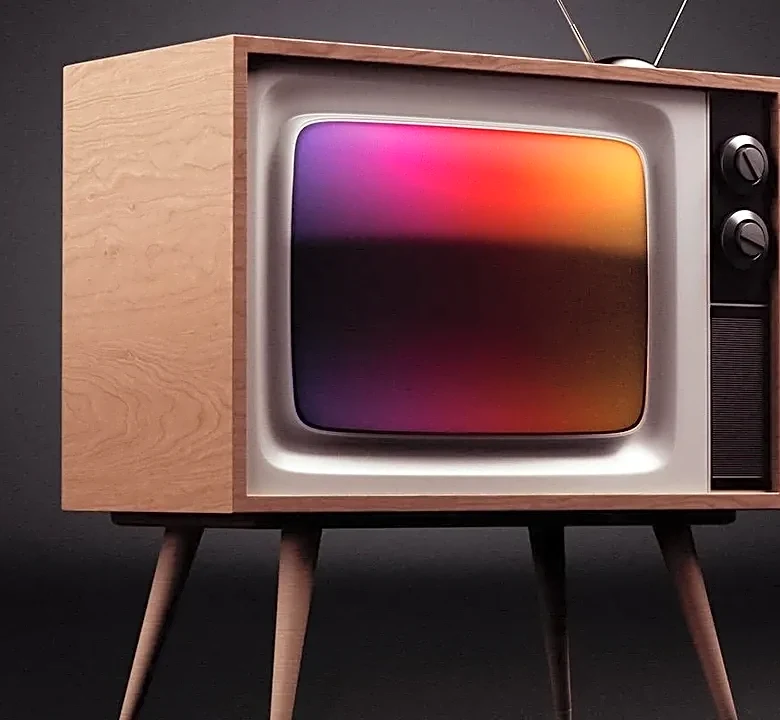
The secret isn't in the script; it's in the color. Pay close attention to your favorite fall dramas and sitcoms, and you'll start to see it everywhere: a pervasive, warm, golden-hour glow. Scenes are often bathed in tones of amber, deep orange, soft gold,
and earthy brown. This isn't a coincidence or a natural effect of filming during the season. It’s a deliberate artistic choice known as color grading, and it’s designed to make you feel a certain way. This aesthetic choice is rooted in a classic understanding of the season's palette. Autumn colors are defined by their warmth and depth, echoing the hues of falling leaves, harvest festivals, and the low-hanging sun. Television producers and cinematographers lean into this, creating a visual language that instantly signals comfort and introspection.
A Visual Shortcut to Coziness
So, why does this warm palette work so well? It’s a shortcut to a feeling. Psychologically, warm colors like reds, oranges, and yellows are stimulating and comforting, evoking images of fire and sunlight. When a show is graded with these tones, it subconsciously tells our brains to feel cozy, safe, and even a little nostalgic. It’s the visual equivalent of putting on a favorite sweater or sipping hot chocolate. This technique is a powerful storytelling tool. A scene drenched in warm light can enhance feelings of intimacy, family bonding, or wistful romance, all common themes in fall television premieres. Conversely, cool tones like blues and grays are often used to create a sense of unease, isolation, or suspense, which is why they are more prevalent in stark sci-fi series or gritty crime procedurals, regardless of when they air.
The Unsung Artists of Atmosphere
Creating this autumnal feel is a multi-step process involving several unsung heroes of a production. It often starts with the production designer, who selects sets, locations, and even wardrobe that feature warm, earthy colors. Think of the rustic charm of the Pearson family homes in “This Is Us” or the quintessential New England autumn of “Gilmore Girls.” But the final, crucial touch comes in post-production from the colorist. A colorist is a specialist who works with the director and cinematographer to digitally manipulate the color and light of the footage. They can take a scene shot on a flat, overcast day and meticulously add layers of gold, deepen the reds in the foliage, and ensure every frame contributes to the show’s intended mood, transforming the raw footage into a polished, evocative final product.
Is the Fall Look Fading?
For decades, the fall broadcast schedule was the anchor of the television industry, and this visual style became its signature. However, the rise of streaming services has completely changed the game. With platforms like Netflix, Hulu, and Max dropping entire seasons year-round, the seasonal premiere model has been disrupted. A major series might now launch in April or July, and its visual tone is more likely to be dictated by its specific genre and story than the calendar. A bright, sunny comedy released in spring may feature a vibrant, highly saturated palette, while a moody thriller dropped in October might double down on the classic fall aesthetic to amplify its atmosphere. The technique hasn't vanished, but it's no longer a universal standard. Instead, it has become another deliberate choice in the filmmaker's toolkit, deployed when the story calls for a dose of warmth and nostalgia.