




The Paradox of Overwhelming Choice
The BFI London Film Festival, like any major international film event, presents a dizzying schedule. With hundreds of features, shorts, and experimental projects from dozens of countries, it’s impossible for anyone to make a fully informed decision on every
screening. You can study the guide, read the blurbs, and follow the buzz, but eventually, you have to take a leap of faith. This forced surrender is the first step. Unlike the low-stakes scrolling at home, buying a festival ticket is an investment of time and money. That investment, coupled with the sheer volume of options, pushes audiences to rely on gut feelings, a random time slot, or a compelling poster. This act of choosing from an overwhelming slate, almost as a defense mechanism, sets the stage for a more personal experience.
The Joy of Lowered Expectations
When you see the opening gala film or a title that's already surrounded by Oscar buzz, you walk in with a mountain of expectations. But when you wander into a screening for 'La Bola Negra' or 'The History of Concrete' simply because the title sounded intriguing, you have no baggage. You are a blank slate. Psychologically, our enjoyment of an experience is often the delta between expectation and reality. A hyped film has to work twice as hard to impress you; it must not only be good but also overcome your preconceived notions. A film chosen on a hunch has a much lower bar to clear. It doesn't need to be the best film of the year; it just needs to connect. This absence of hype allows for genuine surprise, letting the story wash over you without the distracting internal monologue of 'Is this as good as they say it is?'.
The 'IKEA Effect' of Discovery
There's a well-documented cognitive bias called 'effort justification': we place a higher value on things that we had to work for. A related idea is the 'IKEA effect,' which describes how we love that slightly wobbly bookshelf more because we built it ourselves. Choosing a film on a hunch is the cinematic equivalent. You didn't just passively receive a recommendation; you actively 'discovered' it. This sense of authorship creates a powerful bond. The film is no longer just a film; it's 'your' film. You feel a sense of pride, an unconscious ownership. This self-attribution—crediting your own brilliant instinct for finding this hidden gem—deepens the emotional connection. You weren't told it was great; you unearthed its greatness yourself, making the reward feel earned and personal.
A Communal Leap of Faith
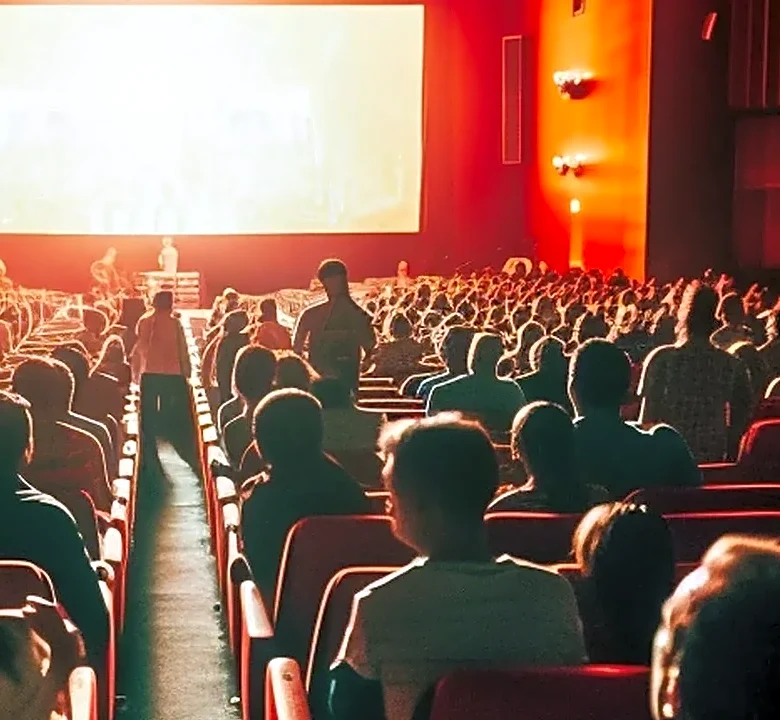
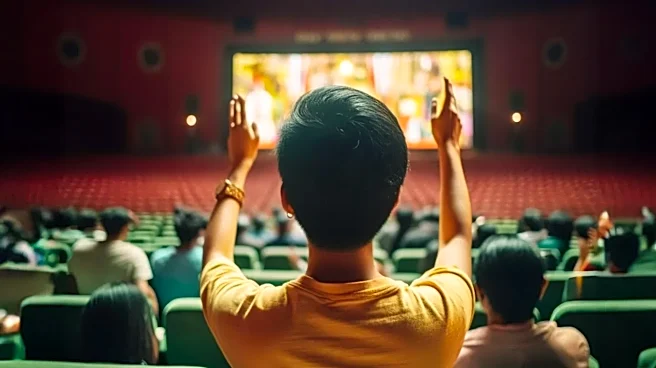
Finally, the experience is amplified by the environment. You aren't watching this random film alone in your living room. You are in a packed theater, sharing the experience with hundreds of other people who also took the same gamble. The collective gasp, the shared laugh, the communal silence—it all validates your choice in real time. Our brains are wired for social connection, and experiencing a narrative in a group setting can intensify our emotional response. The festival atmosphere fosters a sense of community and shared purpose: the discovery of great art. When the credits roll on that unexpected masterpiece and the applause erupts, you're not just clapping for the film. You're clapping for the shared risk, the collective payoff, and the magic of a hunch that brought you all together.