





The Stage Is Set: Cannes 1994
Imagine the scene: the sun-drenched French Riviera, the clinking of champagne glasses, and the world’s most glamorous film festival buzzing with anticipation. In 1994, the talk of the town was a brash, 31-year-old former video store clerk named Quentin Tarantino. His film, *Pulp Fiction*, was a bolt of lightning—a violent, hilarious, non-linear masterpiece that had already floored audiences at its premiere screening. The film was an audacious mix of pop culture reverence, sharp dialogue, and shocking brutality. While critics and cinephiles were mesmerized, not everyone was a convert. Tarantino, already known for his motormouth interviews and encyclopedic film knowledge, was the punk rock disruptor crashing the formal gala of international cinema.
The tension was palpable: would the establishment embrace him or reject him?
The Award and the Heckle
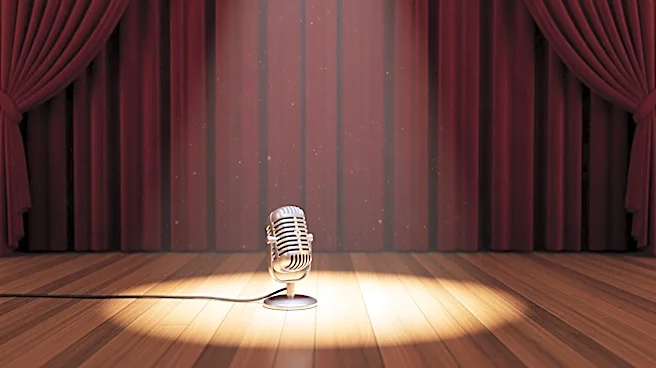
The festival culminated with the prestigious awards ceremony. When jury president Clint Eastwood announced that *Pulp Fiction* had won the top prize, the Palme d'Or, the theater erupted in a mix of thunderous applause and audible boos. As Tarantino, producer Lawrence Bender, and the cast walked toward the stage, a woman in the audience stood up and shouted in French, “*Pale copie! Quelle daube!*” — roughly translated, “Rip-off! What garbage!” The moment could have been awkward, a sour note on a career-making triumph. But this was Quentin Tarantino. Without missing a beat, he turned towards the voice, a wide, mischievous grin spreading across his face. He looked directly at the heckler, gave her a defiant one-fingered salute, and declared into the microphone, “I don’t make movies for everybody!” He then proceeded to give a gracious, albeit still buzzing, acceptance speech. It was pure, unscripted drama.
Why the Moment Became Legendary
In an era before social media, this was the equivalent of a moment going viral worldwide. It wasn't just an angry celebrity lashing out. It was a mission statement. Tarantino’s gesture was an electrifying defense of artistic vision in the face of criticism. He wasn’t embarrassed or apologetic; he was proud. He was communicating that his film was exactly what he wanted it to be, and if you didn’t like it, that was your problem, not his. The incident perfectly encapsulated the Tarantino brand: uncompromising, confrontational, and deeply in love with his own work. It told the world that he was not there to please the gatekeepers of “good taste.” He was there to create a new one. That single, defiant gesture transformed him from a promising director into a cultural icon, a rebel hero for a generation of movie lovers tired of safe, predictable filmmaking.
An Echo in Time: The 2019 Replay
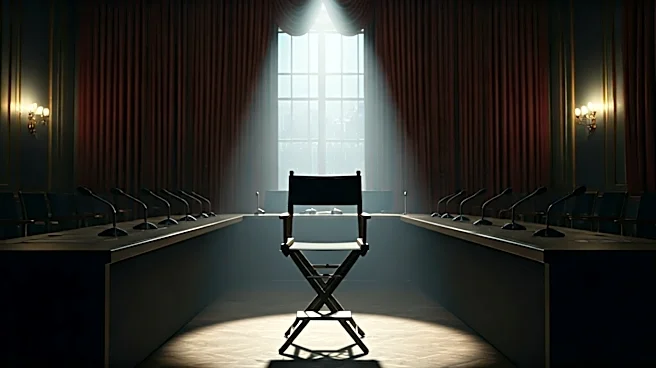
That fiery, protective instinct never faded. Twenty-five years later, at the 2019 Cannes press conference for *Once Upon a Time in Hollywood*, Tarantino found himself in another tense exchange. A female journalist from The New York Times questioned why Margot Robbie, playing Sharon Tate, was given so few lines of dialogue. Visibly irritated, Tarantino shut the question down. “Well, I just reject your hypothesis,” he responded curtly. The room went silent. While his response drew criticism for being dismissive, it was also classic Tarantino. Just as in 1994, he was aggressively parrying a critique he felt was illegitimate. It showed that the man who flipped off a heckler for calling his masterpiece “garbage” was the same man who, decades later, would bristle at any suggestion that his artistic choices were anything but deliberate and correct. The fire, the defiance, and the absolute self-belief were all still there.