
The Deception of the Highlight Reel
Nostalgia is a powerful, comforting force in sports. It transforms games of the past into simple fables of heroes and villains, of singular moments that supposedly defined everything. We remember the one
physics-defying goal, the impossible last-ditch tackle, or the heartbreaking penalty miss. Media narratives happily play along, packaging 90 or 120 minutes of complex, attritional struggle into a tidy, two-minute montage. The problem isn't that these moments are fake; it's that they're dangerously incomplete. This curated memory, as comforting as it is, erases the very essence of the final: the grit, the tactical chess match, the subtle shifts in momentum, and the collective effort. It reduces a symphony of strategy and human drama to a single, blaring trumpet note.
What We Lose in the Golden Glow
When we only remember the winning goal, we forget the midfield battle that made it possible. Think of Spain's victory over England in the 2023 Women's World Cup final. The memory is Olga Carmona's decisive strike. But to focus only on that is to ignore the true story: a tactical masterclass in which Spain’s fluid 4-3-3 formation, intricate passing, and high press systematically dismantled a world-class opponent. The game was a tense, cat-and-mouse affair where Spain’s ability to dominate possession and create overloads on the flanks was the foundation of their victory. Nostalgia would have us remember just the destination—the ball hitting the net—while the fascinating, grueling journey of tactical adjustments and individual duels fades from memory. We lose the intelligence of the game, the very thing that makes the victory so impressive.
Writing the History of 2026 Now
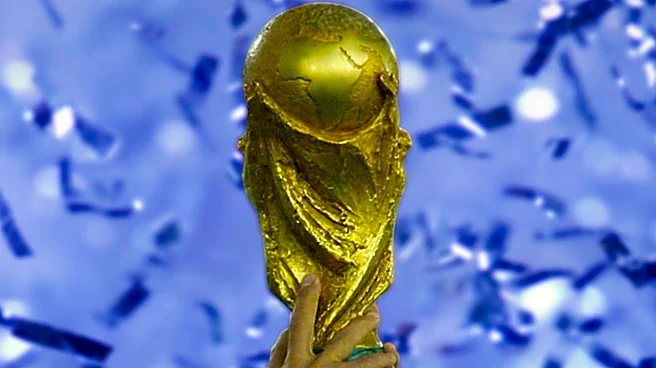
As the 2026 World Cup unfolds here in North America, we have a chance to change how we watch and remember. The tournament is already building its own complex narratives, from underdog stories like Cape Verde and DR Congo to the tactical battles shaping the knockout rounds. The final, set for July 19 in New Jersey, will be the culmination of these threads. Will we remember it for just one moment? Or will we remember the tactical adjustments that decided a tight match, like the substitutions that can shift momentum or the way a team adapts after going down to ten men? We are seeing a game defined by aggressive counter-pressing and goalkeepers who act as playmakers. The story of the eventual champion will be written not just in goals, but in how they navigated these modern tactical trends. To honor the winner, we have to appreciate the complexity of their achievement.
A Better Way to Be a Fan
Rejecting cheap nostalgia doesn't mean you can't celebrate the joy and drama of a great goal. It means adding a layer of deeper appreciation. It's about becoming a more active, engaged viewer. Instead of just waiting for the explosive moments, watch the subtle ones. Notice how a team’s defensive shape changes when they lose the ball. Pay attention to the off-the-ball runs that create space for others. Read the post-match analysis that goes beyond player ratings and dives into tactical systems. Discussing the game in its full, messy, and brilliant complexity is more rewarding than simply re-watching a highlight. It turns you from a passive consumer of moments into an active student of the game, enriching your understanding and making every match, especially a final, more meaningful.