




1. The Opening Night Gala
Let's start with the obvious. The Opening Night Gala is the festival's statement of intent. For 2026, that honor goes to 'Elsinore,' starring Andrew Scott. This slot guarantees enormous media attention and sets the tone for the entire 12-day event. It's
a position of prestige, signaling that the festival sees the film as a major artistic and commercial player. Landing here means your film is immediately part of the cultural conversation, kicking off the festival with the biggest possible splash and a star-studded red carpet at the Royal Festival Hall.
2. The Closing Night Gala
If the opening night starts the conversation, the closing night aims to be the final word. This slot is for a film that leaves the audience on a high, often a crowd-pleaser or a title with strong awards potential heading into the season. For 2026, Jesse Eisenberg's comedy-drama 'The Debut,' starring Julianne Moore, takes this spot. It's the last thing critics and audiences see, ensuring it remains top-of-mind as the festival wraps. It’s less about discovery and more about capping off the event with a guaranteed hit.
3. The BFI Patrons' Gala
This is a slot dripping with prestige. The Patrons' Gala is chosen to appeal to the festival's most dedicated supporters and signals a film of significant artistic merit. In 2026, this honor goes to Tony Gilroy's 'Behemoth!', starring Pedro Pascal. This premiere isn't just another screening; it's a vote of confidence from the institution itself. It tells the industry that this isn't just a commercial play; it's a piece of cinema the BFI is proud to champion, often positioning it as a serious contender in the awards race.
4. The Sunday Gala (October 11)
The middle Sunday of the festival is a crucial moment. The initial buzz has settled, and journalists are looking for the next big story. A Gala screening on this day, like the one for Luca Guadagnino's 'Artificial,' can dominate the news cycle for the week ahead. It’s a strategic move to recapture attention, offering a major title with big stars like Andrew Garfield to a captive audience of press and public who are deep into the festival rhythm and hungry for a major cinematic event.
5. The Strand Gala
The LFF smartly categorizes its films into thematic strands like 'Thrill,' 'Laugh,' or 'Cult.' Securing a Gala screening within one of these strands is a brilliant tactical move. It elevates a genre film, giving it the red-carpet treatment and positioning it as a must-see for fans of that specific category. For example, Lance Oppenheim's 'Primetime,' starring Robert Pattinson, is in the 'Thrill' strand, giving it a focused platform to generate buzz among a target audience that might otherwise have missed it in a sea of 250+ films.
6. The World Premiere Animation Slot
Animation can sometimes get lost in the shuffle at live-action-dominated festivals. Not so at LFF, which carves out significant space for major animated features. A world premiere here, like Laika's 'Wildwood' or Brad Bird's 'Ray Gunn' in 2026, is a massive strategic win. It allows these films to be judged as serious cinematic works, generating their own specific buzz away from the live-action awards chatter and often launching them into the Best Animated Feature race.
7. The Surprise Film
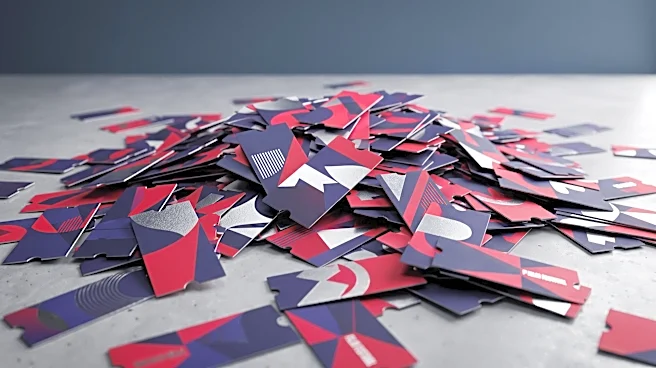
There is no slot that generates more pure, unadulterated hype than the Surprise Film. Its power is its secrecy. Festival-goers and press book tickets without knowing what they're about to see, leading to weeks of online speculation. The reveal turns the screening into an instant event. While the film itself isn't always a massive Oscar frontrunner, the slot guarantees that for one night, it's the most talked-about movie in London. It's a high-risk, high-reward play that can transform an under-the-radar film into a sensation overnight.
8. The Acclaimed Competition Film
While the Galas get the flashiest headlines, a slot in the Official Competition is where a film's artistic reputation is forged. These 10 films are vying for the festival's top prize. Titles like Carol Morley's '7 Miles Out' or Hirokazu Kore-eda's 'Look Back' may not have the blockbuster budget of a Gala film, but they are here to be taken seriously by critics. A strong reception or a win in this category can launch a smaller international or independent film into the global awards conversation, proving that substance can create just as much buzz as a premiere's spectacle.