





The Patent on Wonder
Before Steven Spielberg, cinematic aliens were mostly monsters or invaders. They came to conquer, obliterate, or serve as a B-movie metaphor for Cold War anxieties. Then came *Close Encounters of the Third Kind* (1977). Instead of paranoia, Spielberg offered
awe. He turned a potential threat into a spiritual awakening, trading explosions for a five-note musical phrase. The film’s climax isn’t a battle; it’s a symphony of light and sound, a conversation between species that culminates not in domination, but in understanding. Five years later, with *E.T. the Extra-Terrestrial* (1982), he doubled down. The alien wasn't just non-threatening; it was a gentle, big-eyed child lost far from home. Spielberg patented the idea that first contact could be a moment of sublime, childlike wonder. It was a revolutionary reframing of the genre, shifting its gravity from horror to hope.
It Was Never About the Aliens
Here’s the secret to Spielberg’s UFO films: they aren’t really about UFOs. They are deeply personal, terrestrial dramas that use aliens as a catalyst for human connection. *Close Encounters* is fundamentally about a man, Roy Neary, feeling disconnected from his suburban life, whose obsession with a vision is a desperate cry for meaning. The aliens don’t create his domestic problems; they offer him a magnificent escape. *E.T.* is one of cinema’s most poignant portraits of childhood loneliness and the pain of divorce. Elliott doesn’t just find an alien; he finds a friend who understands his feelings because he’s also lost and alone. The extraterrestrial is a mirror for the terrestrial. This emotional grounding is what makes his films resonate so deeply. Other directors focus on the ship; Spielberg focuses on the people on the ground staring up at it.
The Genre's Center of Gravity
Every significant UFO film made since feels like it exists in conversation with Spielberg. Roland Emmerich’s *Independence Day* (1996) is the anti-*Close Encounters*, a bombastic return to the “aliens as invaders” trope, but its scale feels like a direct response to the gentler alternative. More thoughtful films also define themselves against the Spielbergian template. Denis Villeneuve’s brilliant *Arrival* (2016) replaces wonder with heady, intellectual process, focusing on linguistics over lights. Jordan Peele’s *Nope* (2022) cleverly subverts the entire notion of a benevolent spectacle, recasting the UFO as an unknowable, predatory animal. Even Spielberg’s own grim and terrifying *War of the Worlds* (2005) works because it’s the master deconstructing his own legacy, showing the absolute horror of a contact-gone-wrong from the perspective of a flawed father trying to protect his kids. These films are excellent, but they prove the point: they either build on, react against, or invert the Spielberg framework. He set the terms of the debate.
The Language of Light and Sound
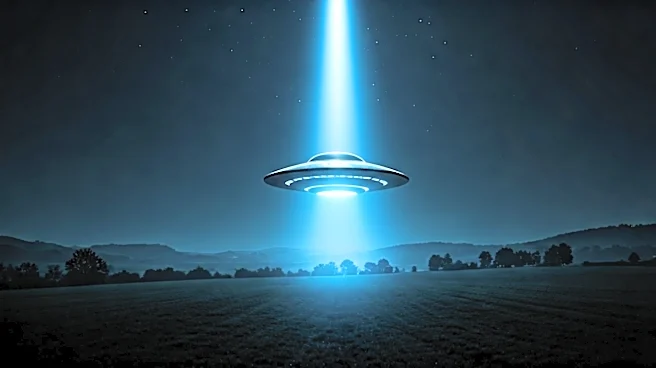
Beyond theme, Spielberg established the physical language of the genre. Think of the iconic “Spielberg face”: a character, often a child, staring just off-camera with a mixture of fear and total awe. Think of the beams of light cutting through fog or a child’s closet. Think of John Williams’s scores, which can evoke soaring majesty or playful mischief, turning a bicycle flight into an operatic moment of freedom. This sensory toolkit—the backlit silhouettes, the lens flares that feel earned rather than gratuitous, the swell of an orchestral score—is the director’s signature. Many have tried to replicate it, but it often feels like a pale imitation. It’s not just a collection of camera tricks; it’s a worldview, a belief in the power of cinema to make us feel like we’re seeing something miraculous for the very first time.