

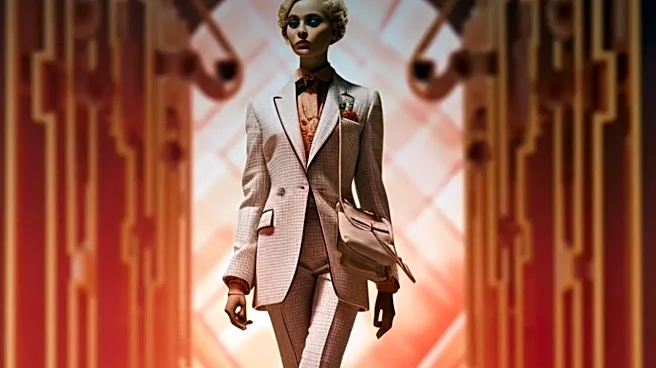
The Thrill of the Trend
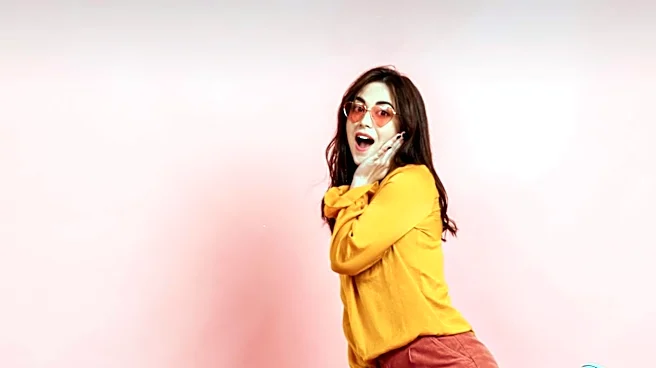
Wanting a trend is often about wanting a feeling, not a garment. It’s a desire to participate in a cultural moment. Fueled by social media algorithms that create an echo chamber of newness, trends provide a quick hit of dopamine, the brain's feel-good
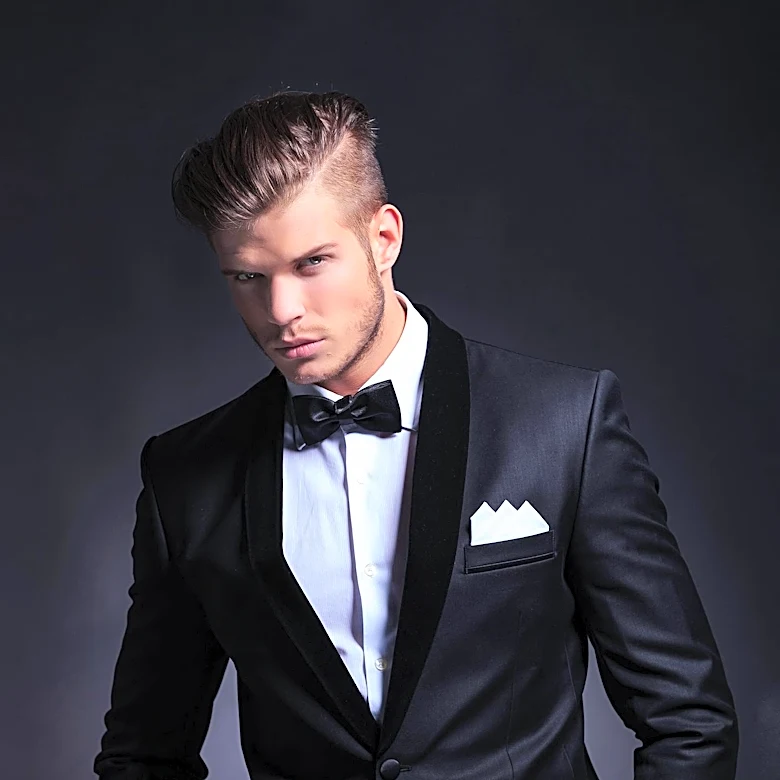
chemical. This psychological rush is tied to novelty and social validation; wearing what's 'in' can feel like a shortcut to belonging. The fear of missing out (FOMO) is a powerful motivator, creating a sense of urgency to buy before the style disappears. But this desire is often abstract. You’re not in love with the specific pinstripe vest in your cart; you’re in love with the idea of being the kind of person who wears a pinstripe vest right now. It's less about self-expression and more about self-alignment with a fleeting zeitgeist.
The Comfort of the Clothes
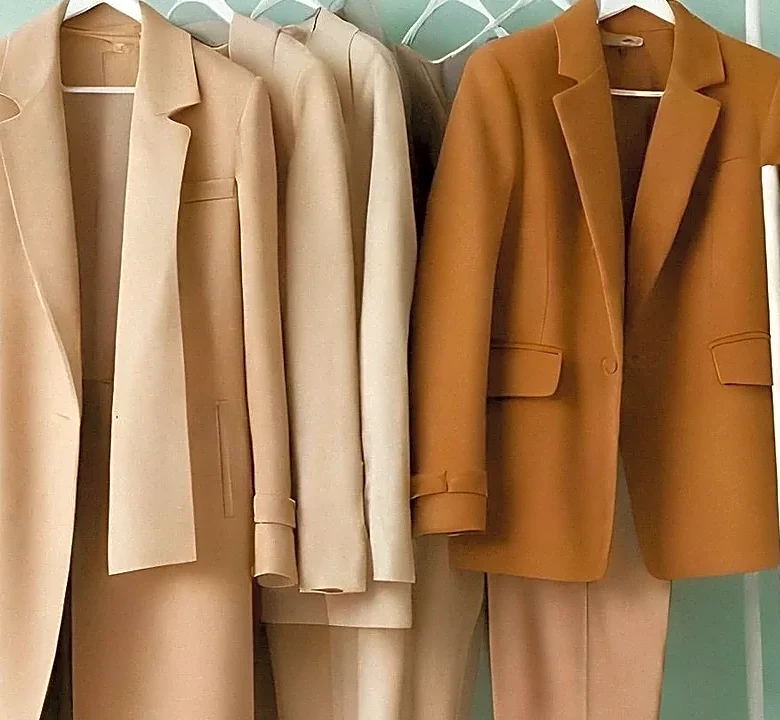
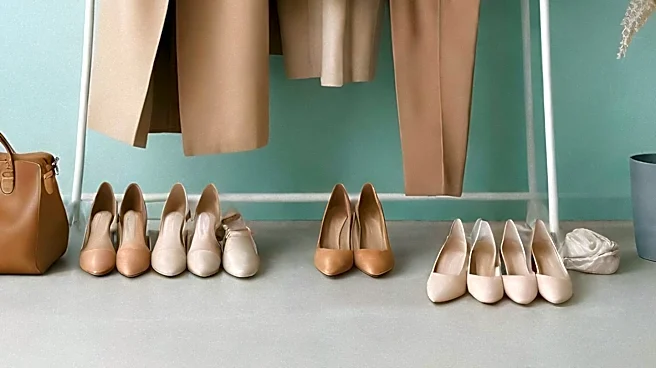
Wanting the clothes is a different, more personal calculus. It's a grounded desire that considers your actual life. Instead of asking, 'Is this cool?' you ask, 'Will I wear this?' This involves a practical and emotional connection to the garment itself: the fabric, the fit, how it moves with you, and how it makes you feel when you're not performing for an audience. Someone who truly wants a piece of clothing can instantly imagine it with other items they already own. It feels like an authentic extension of their identity, not a costume. This desire isn't dictated by an algorithm but by self-knowledge—understanding your lifestyle, your body, and what genuinely brings you comfort and confidence.
How to Tell the Difference Before You Buy
To avoid a closet full of regrets, pause and ask a few diagnostic questions. First, would you still like this item if it wasn't the specific, viral version everyone is wearing? If you only want the 'it' sneaker but have no interest in other shoes with a similar silhouette, you're likely chasing the trend. Second, can you style it at least three ways with clothes already in your closet? If the new item requires buying a whole new outfit to make it work, it’s a red flag. Finally, try the 'one-year test': if you had to wait a year to buy it, would you still be excited to get it? If the answer is no, you're probably just caught up in the hype. True personal style has staying power long after a trend has peaked and passed.
Finding a Healthy Balance
This isn't to say trends are inherently bad. They can be a fantastic gateway to experimentation and help you discover new facets of your style. The goal isn't to become a style monk who shuns all things new, but to become an intentional consumer. The key is to treat trends as inspiration, not as a mandate. You can adapt elements you genuinely like and integrate them into your existing wardrobe. Perhaps a trendy color speaks to you, but you incorporate it through a classic sweater silhouette rather than a fleeting micro-trend piece. It's about letting your personal style lead the way, using trends as accents rather than letting them dictate your entire identity. When you know who you are, you can play with who you want to be, one fun, intentional piece at a time.