







The Tale of Two Venues
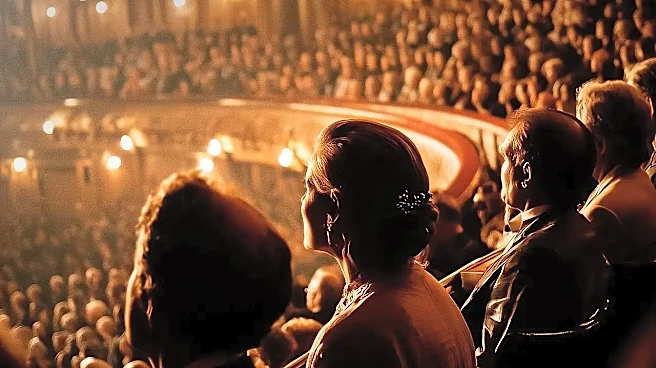
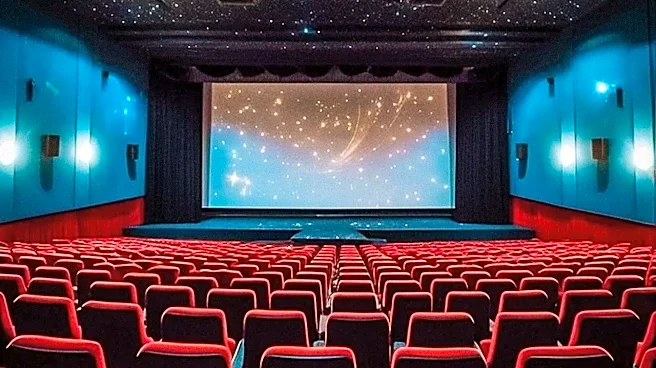
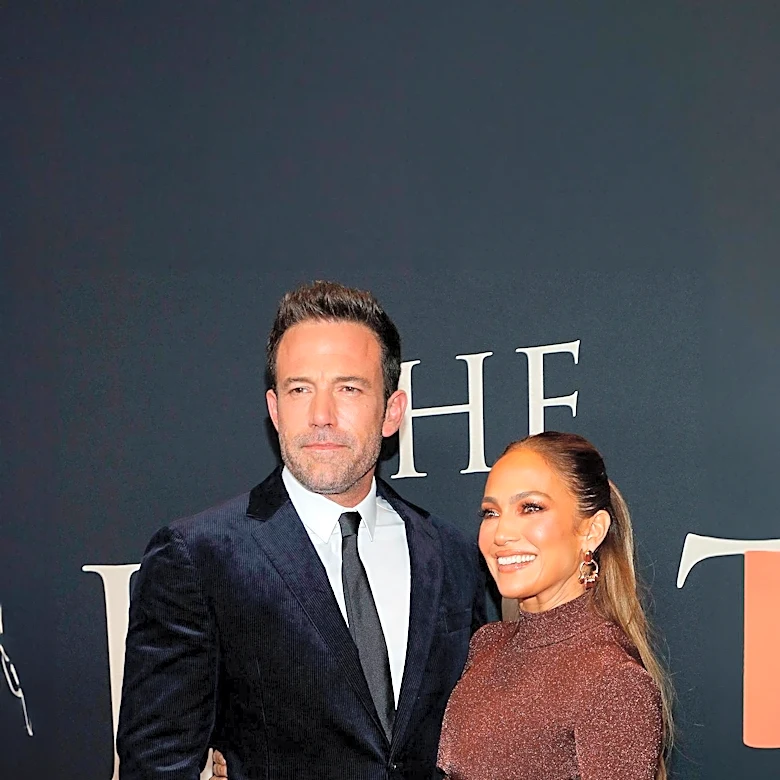
The dual identity of the BFI London Film Festival (LFF) is baked into its geography. The headline galas take place at massive, prestigious venues like the Southbank Centre's Royal Festival Hall, complete with red carpets, dazzling stars, and the palpable
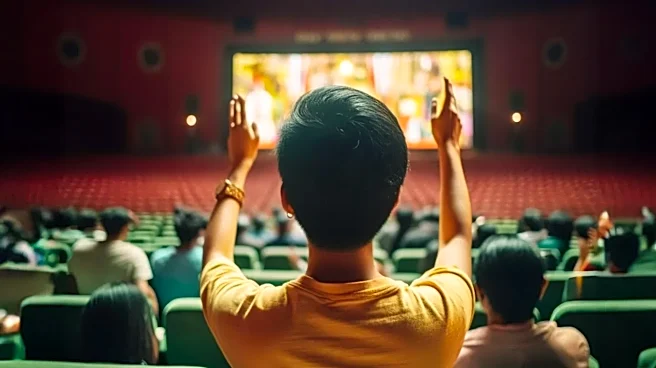
energy of a major international premiere. This is the 'huge' part of the experience, where audiences can catch the most anticipated films of the year in a grand setting. Yet, just a short walk or tube ride away, the festival continues in much smaller, more intimate spaces. Theaters like the Prince Charles Cinema, Curzon Soho, and the BFI's own Southbank screens offer a completely different atmosphere. Here, you might find yourself watching a challenging documentary or a daring indie film in a room with only a hundred other people, creating a sense of shared discovery that feels worlds away from the blockbuster buzz.
A Festival Spread Across a City
Unlike festivals concentrated in a single town, the LFF is woven into the fabric of London itself. While its heart is on the South Bank, the festival's screenings and events span the city. This decentralization is key to its character. An attendee's day might involve a morning press screening in the West End, an afternoon VR experience at St Martin-in-the-Fields, and an evening premiere south of the river. This city-as-campus approach means festival-goers are constantly mixing with the normal life of London, dipping in and out of the cinematic bubble. It prevents the hermetically sealed feeling of some other major festivals, allowing for moments of quiet reflection while traveling between venues and contributing to that sense of a personal, rather than purely industrial, experience.
Curation That Invites Discovery
From its inception in 1957, the LFF has been a 'festival of festivals', prioritizing the curation of the year's best films over the high-stakes pressure of a competitive market like Cannes. The program is organized into thematic strands such as 'Love', 'Debate', 'Thrill', and 'Cult', guiding audiences by mood and subject rather than by director or country of origin. This encourages attendees to take a chance on something new. You can go from a major gala to an experimental short or an archive restoration, all within the same day. This focus on audience experience over industry deal-making fosters a more relaxed, accessible atmosphere. It's a festival built for film lovers, where the primary goal is to share a diverse slate of world cinema.
More Than Just Movies
The LFF's intimacy is most profoundly felt in its rich program of events beyond the screenings themselves. 'Screen Talks' offer candid conversations with world-class directors and actors, while free workshops, panel discussions, and even DJ nights create a communal vibe. The festival also features LFF Expanded, a strand dedicated to immersive storytelling through VR, AI, and video games, pushing the boundaries of cinematic experience in interactive and often deeply personal ways. These events are where the distance between artist and audience collapses. Sitting in a smaller venue listening to a filmmaker break down their process or participating in an immersive artwork provides a direct, memorable connection that stands in stark contrast to the anonymity of a large-scale premiere.