







The Unwashed Jersey
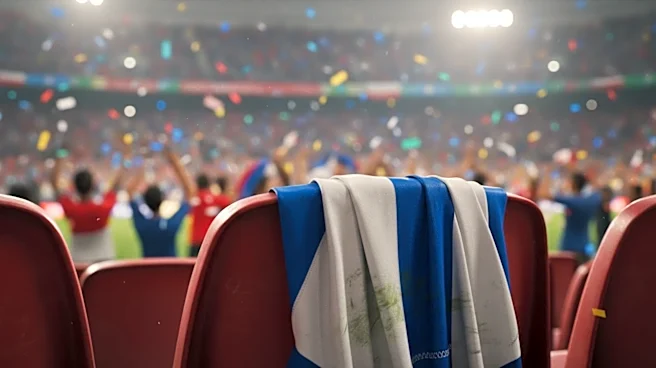
Let’s start with the most infamous of all fan rituals: the lucky shirt. It’s been worn for every victory in this tournament, and it will not be washed until the glorious end or a gut-wrenching exit. Your loved ones may complain about the aroma, but they
don't understand. This isn't just a piece of fabric; it's a sacred relic. Washing it would be like washing away the luck, a foolish act of hubris. That distinct smell isn't filth; it’s the smell of accumulated hope, of hard-fought wins and dramatic saves. Each stain tells a story. In the logical part of your brain, you know a laundry cycle has no bearing on a penalty shootout. But the emotional, fanatical part of you knows that this jersey has become a symbolic vessel for your team’s winning streak. You don't mess with a winning streak.
The Sacrosanct Seating Arrangement
During the group stage, you all sat randomly. Then came the knockout rounds. A win happened, and suddenly, everyone’s spot on the couch became permanent. The person who was in the armchair during the winning goal is now glued to it for the foreseeable future. The friend who got up to grab a drink right before the other team scored is now politely asked to remain seated at all times. This isn't about comfort; it's about recreating the exact conditions of a prior success. It’s a desperate attempt to impose order on the beautiful chaos of a soccer match. Fans, much like players, crave routines that give them a sense of control in a situation where they have absolutely none. Changing the seating arrangement feels like tempting fate, and nobody wants to be the person who single-handedly jinxed the road to the final.
The Strategic Mute Button
You're certain of it: one of the commentators has it out for your team. Every observation is a backhanded compliment, every replay analysis is a veiled critique. His voice has become synonymous with conceding a late goal. So, you take action. The TV is muted the second he starts talking, replaced by a radio broadcast or simply the tense, pulsing silence of your own living room. In your heart, you know this person is a professional doing their job. But in the heat of a World Cup semifinal, they are an agent of chaos, a harbinger of doom. This belief gives you a villain to blame for nervous moments, and using the mute button is an act of defiance. It’s a small way of controlling the narrative, ensuring only positive energy (or at least, your own frantic energy) surrounds the game.
The Ritual Feast (or Famine)
Your team won after you ate tacos? Guess what you're eating before every game from now on. Maybe it's a specific brand of chips, a beer from a particular brewery, or the refusal to eat at all until after the final whistle. Like players who stick to the same pre-game meal, fans often link victory or defeat to what they consumed. It’s a superstition born from coincidence; a random correlation that the high-stakes pressure of a tournament solidifies into unshakable fact. Did the team win because of your dietary choices? Absolutely not. But at this stage, with a spot in the final on the line, are you willing to risk eating something different? Not a chance. The tacos worked. The tacos are the way.
The Art of Negative Manifestation
“Oh, we’re toast. There’s no way we win this.” This is the classic cry of the fan who is terrified of hope. By loudly predicting doom, you're performing a bit of reverse psychology on the universe. The thinking goes that if you get your hopes up, the soccer gods will delight in crushing them. But if you expect the worst, you might just trick them into delivering a pleasant surprise. It’s a psychological defense mechanism. If you predict a loss and the team wins, it’s a joyous relief. If you predict a loss and the team actually loses, well, at least you were right. It’s a way of protecting your heart from the full, unadulterated devastation of defeat. It's a shield built of pessimism, and in the emotional rollercoaster of a World Cup, it’s one of the most common beliefs of all.