



It Was More Than the K-Beauty Wave
Let’s get one thing straight: the global explosion of Korean beauty, or K-beauty, was the vehicle, but it wasn't the final destination. For years, as K-pop and Korean dramas captured American attention, they brought along a luminous, impossibly dewy skin
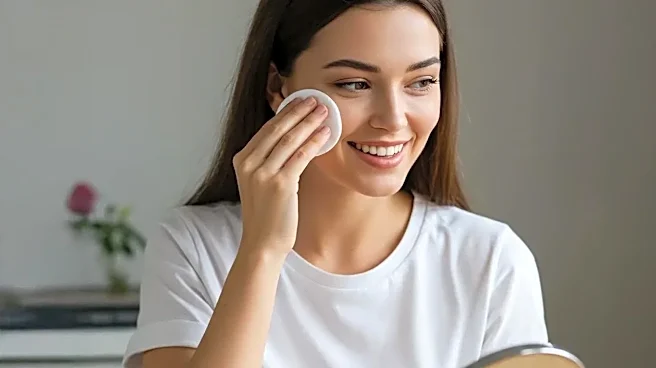
aesthetic known as "glass skin." This look—skin so clear and hydrated it appears almost transparent—was the visual that launched a thousand online tutorials. But while the 10-step Korean skincare routine became a viral phenomenon, its complexity was daunting. The real, lasting revolution wasn't the number of steps; it was the philosophy behind the products themselves, a philosophy born from the sticky, sweltering summers of Seoul.
The Gospel of Lightweight Hydration
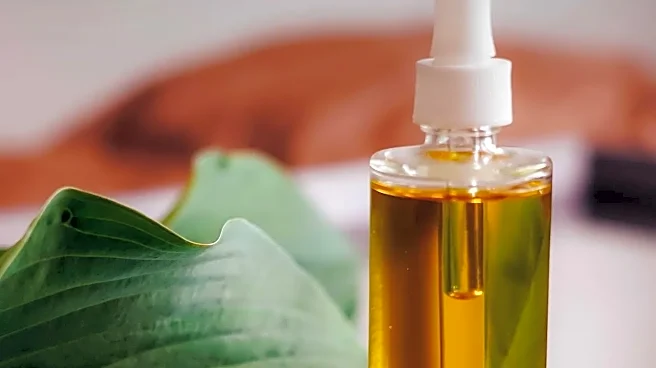
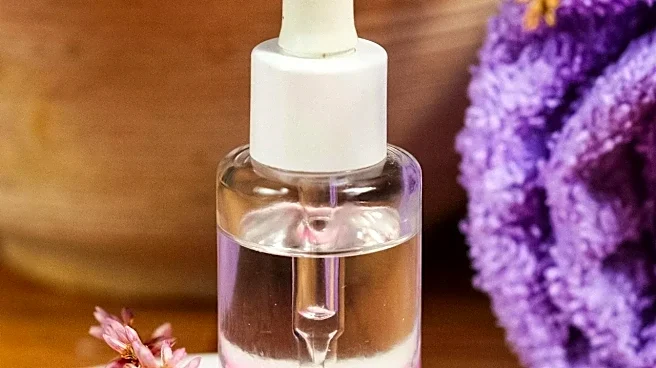
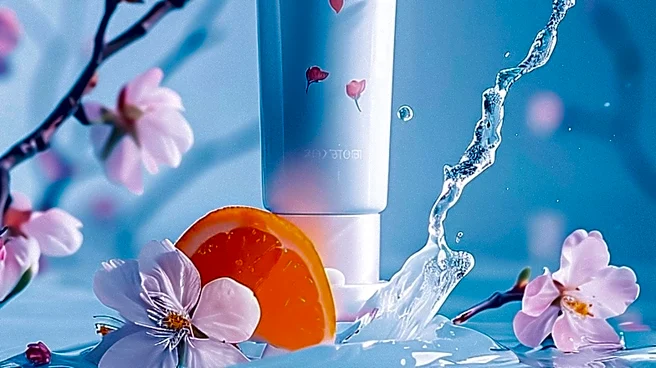
In a high-humidity environment, a heavy, oil-based cream can feel suffocating, trapping sweat and oil and leading to clogged pores. Skincare developed for these climates, therefore, avoids this completely. The core principle is to deliver intense hydration through thin, watery layers that the skin can easily absorb. Think essences, hydrating toners, and water-based serums packed with ingredients like hyaluronic acid and glycerin. This approach, sometimes called "skin flooding," focuses on plumping the skin with water, not coating it with oil. It separates the concept of 'hydrating' (adding water) from 'moisturizing' (sealing it in), allowing for a customized routine that feels weightless yet deeply effective.
A Solution for Every Climate
Here's the twist: this humid-climate approach turned out to be a game-changer even for people in dry or temperate zones. Dermatologists and estheticians have long known that skin can be both oily and dehydrated simultaneously. By focusing on water-based hydration, humid-climate routines address the underlying dehydration without adding the excess oil that many traditional Western moisturizers rely on. This resonated with millions of Americans who struggled with skin that felt tight and dry yet looked shiny and was prone to breakouts. Suddenly, there was a way to get a radiant, dewy glow without feeling greasy. The "glass skin" look became achievable for people who previously thought their only options were mattifying powders or blotting papers.
Meet Your New Philosophy: Skinimalism
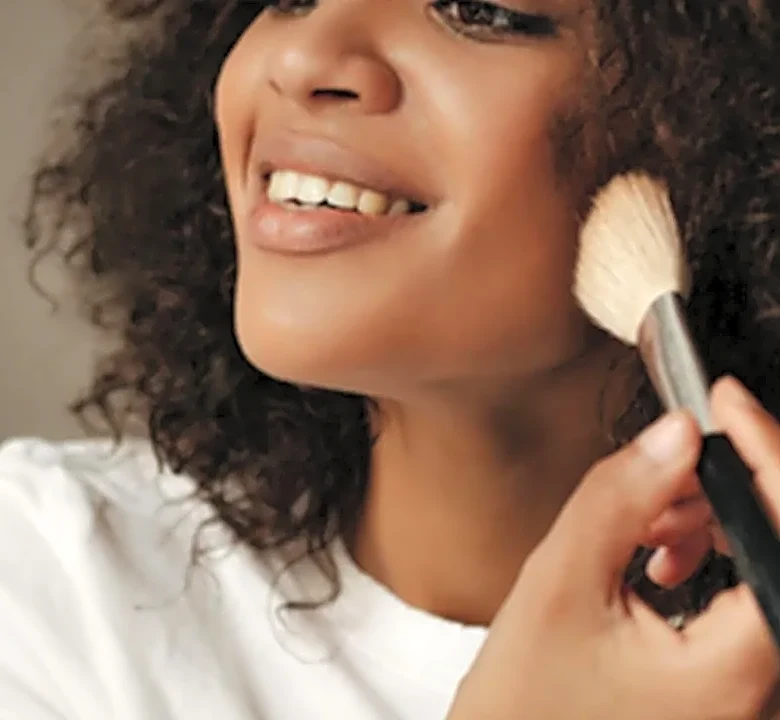
This product revolution arrived at the perfect cultural moment. Consumers were already growing tired of heavy, full-coverage makeup and a beauty standard that prized flawless concealment. A counter-movement known as "skinimalism" was gaining traction, celebrating real skin texture and prioritizing skin health over perfection. Skinimalism champions a "less is more" attitude, favoring fewer, more effective products that let natural skin shine through. The lightweight, health-focused, glow-enhancing products from the humid-climate playbook were the perfect tools for this new aesthetic. They allowed people to feel confident in their own skin, creating a healthy, luminous canvas that didn't need to be hidden.