






The Original 'I'm Coming Home' Story
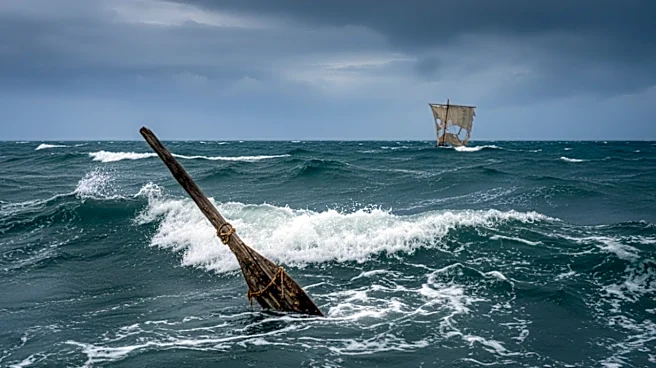
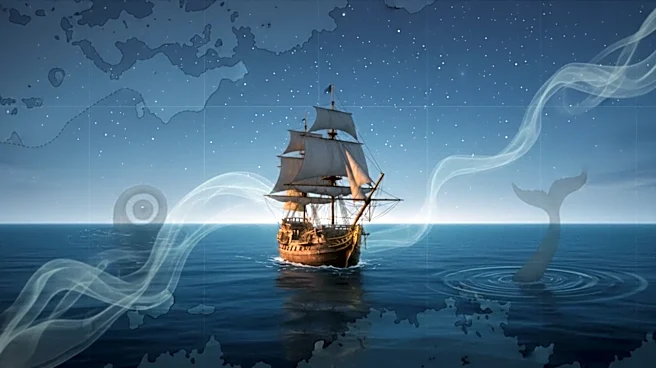
The setup is brilliantly simple. Odysseus, the clever king of an island called Ithaca, has been gone for twenty years. First, he spent a decade fighting the Trojan War. Now, with the war over, he's spent another ten years just trying to get back to his
wife, Penelope, and his son, Telemachus. But he angered Poseidon, the god of the sea, who has thrown every possible obstacle in his path. The story isn't just about one man's journey; it’s about the universal, burning desire to return to the people and places that define us. This core concept, called nostos in Greek, is where we get our word “nostalgia,” and it powers the entire epic.
History's Worst Road Trip
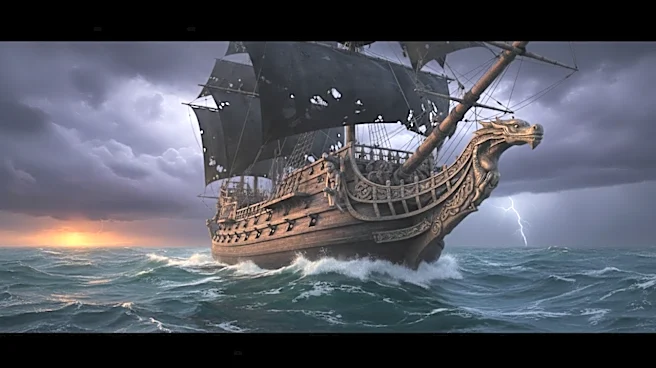
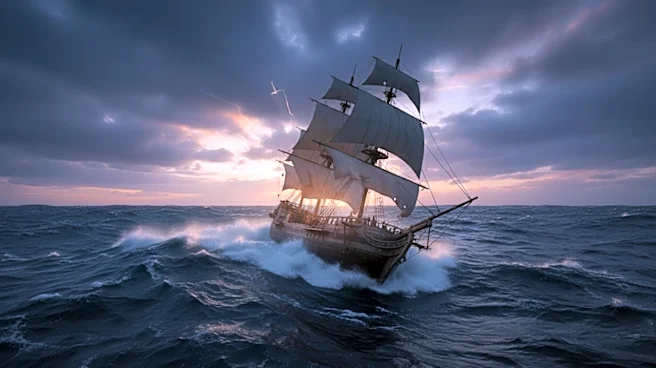
Odysseus’s ten-year commute is a masterclass in disaster. He and his crew face a who’s-who of mythological threats. They are ensnared by the Lotus-Eaters, whose magical fruit makes men forget their homes entirely. They are captured by the one-eyed Cyclops, Polyphemus, a giant who snacks on sailors. Odysseus, relying on his famous cunning, manages to blind the monster and orchestrate a clever escape. His pride, however, gets the best of him; he taunts the Cyclops, revealing his name and bringing the full wrath of Poseidon down upon himself. The journey only gets worse, featuring a trip to the land of the dead, a run-in with giant cannibals, and a terrifying choice between a six-headed monster (Scylla) and a ship-swallowing whirlpool (Charybdis).
Temptation and the Long Way Home
Not all obstacles are monsters. Some of the greatest challenges Odysseus faces are temptations that threaten to end his quest not with a bang, but with a whisper. The witch-goddess Circe turns half his crew into pigs before our hero, using his wits, wins her over and ends up staying with her for a full year. Later, he is held captive for seven years on an island with the beautiful nymph Calypso, who offers him immortality if he will forget Ithaca and stay with her as her husband. Odysseus’s refusal is one of the poem’s central messages: an ordinary, mortal life with the people you love is worth more than a lonely eternity in paradise.
Meanwhile, Trouble Brews in Ithaca
While Odysseus endures his trials, things at home are falling apart. A mob of over 100 arrogant suitors has taken over his palace, eating his food, drinking his wine, and pressuring his wife, Penelope, to declare Odysseus dead and marry one of them. His son, Telemachus, now a young man, is frustrated and powerless against them. But Penelope is just as cunning as her husband. To stall, she promises to choose a suitor once she finishes weaving a funeral shroud for Odysseus’s aging father, but every night she secretly unravels the day's work. This drama raises the stakes, turning Odysseus’s return from a personal wish into an urgent necessity to save his family and kingdom.
The Epic Payoff
When Odysseus finally returns to Ithaca, he does so in disguise as an old beggar to test who has remained loyal. He reveals himself first to his son, Telemachus, and together they plot their revenge. Penelope, still unaware, announces a final challenge: she will marry any man who can string Odysseus's great bow and shoot an arrow through twelve axe heads. One by one, the suitors fail. Then, the disguised Odysseus steps forward, strings the bow with ease, and makes the impossible shot. He then turns the bow on the suitors, and alongside Telemachus and a few loyal servants, he reclaims his home in a bloody and cathartic climax.