




The Cardinal Sin: Brushing From the Top Down
The single most destructive mistake when detangling a long synthetic wig is starting from the top. It feels intuitive, like brushing your own hair, but it's a disaster for synthetic fibers. When you drag a brush from the cap downwards, you push every
minor snag and knot into the ones below it. This method compounds the tangles, creating a dense, matted clump at the bottom that becomes nearly impossible to remove. Worse yet, the aggressive pulling puts immense strain on the wefts—the tracks of hair sewn into the wig cap. This can cause fibers to stretch, break, or get pulled out entirely, leading to bald spots and a frizzy, ruined texture. This top-down force is simply too much for synthetic materials to handle.
The Correct Method: Start Low and Go Slow
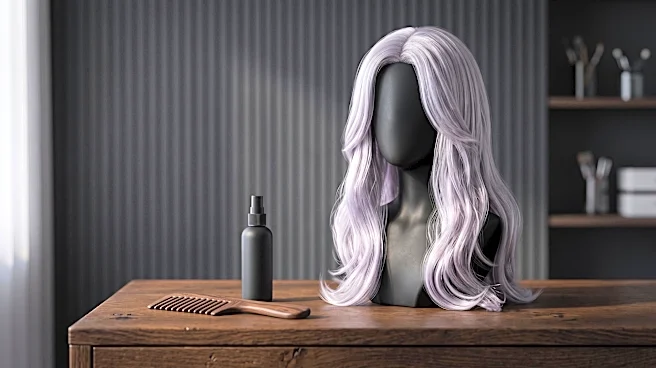
The proper technique is the complete opposite: you must work from the bottom up. Place your wig on a stand or lay it flat. Divide the hair into small, manageable sections. Take one section and hold it firmly a few inches above the ends. Then, using a wide-tooth comb, gently detangle just the last couple of inches of the fibers. Once the tips are smooth, move your grip a few inches higher and detangle the next section, working your way up toward the roots. This patient, methodical approach isolates the knots and allows you to work them out gently without transferring stress to the wig cap. It prevents the creation of a 'super-knot' and preserves the integrity of the fibers and wefts.
Your Essential Detangling Toolkit
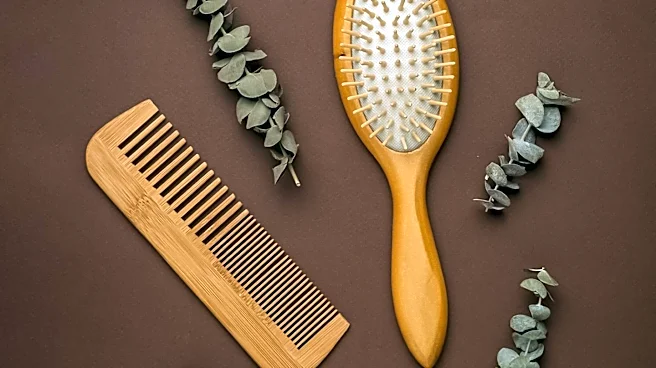
Using the right tools is just as important as the technique. Ditch your standard hairbrush; the ball-tipped bristles can snag and snap synthetic fibers. Your primary weapon should be a wide-tooth comb. For particularly stubborn wigs, a looped-bristle wig brush is also an excellent investment, as the loops glide through fibers without catching. Never, ever brush a dry synthetic wig. The friction creates static and leads to breakage. Always use a lubricant. A dedicated wig detangling spray or leave-in conditioner is best. These products reduce static and coat the fibers, giving them the 'slip' they need to untangle smoothly. Some cosplayers also have success with a DIY solution of water mixed with a small amount of fabric softener.
Finishing Touches and Future-Proofing
Once the knots are out, you may notice the ends still look frizzy or kinked. If you have a heat-resistant wig, you can carefully use a flat iron on a very low heat setting (around 250°F–270°F) to smooth the fibers. Pass the iron over a section while combing just behind it to reset the plastic fibers back to a straight, sleek state. To prevent future tangles, prevention is key. Before and after each wear, give your wig a gentle brush-through and a light misting of silicone spray, paying special attention to the nape of the neck where friction is highest. For storage, don't just toss it in a bag. Loosely braid the long hair and place it on a wig head or gently coil it in its original box.