



The Runway Versus the Gallery
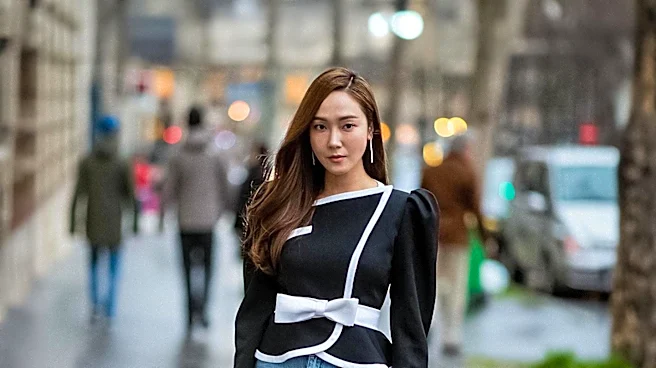
First, let’s set the scene. A major fashion week is a trade event for the fashion industry. Editors, buyers, and influencers gather to see new collections, and the style on the streets is often a performance. Attendees dress for the cameras, frequently
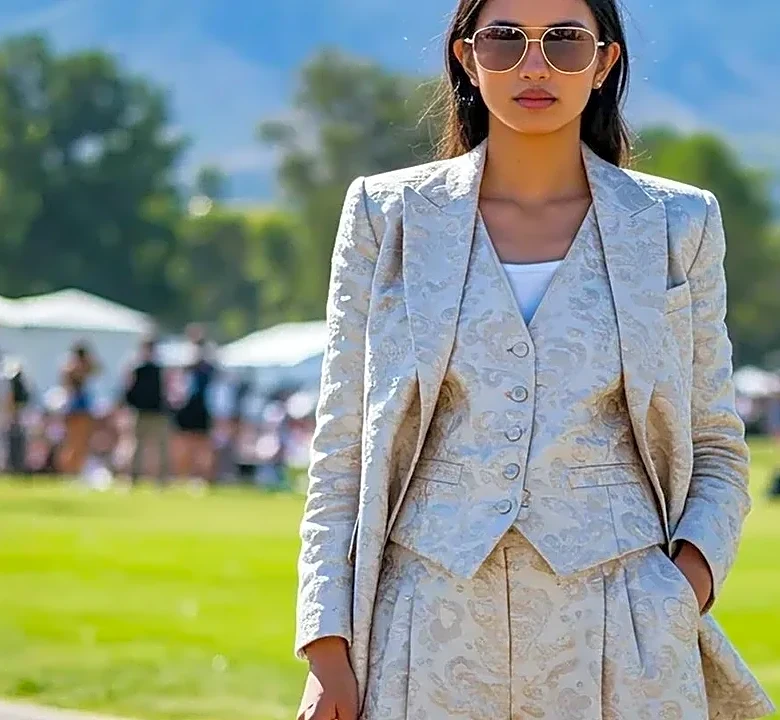
wearing the latest 'It' items or full looks from a single designer to signal their industry clout. The goal is to be seen and photographed, which often means adhering to the dominant trends of the season. By contrast, Frieze London is a contemporary art fair where gallerists, artists, collectors, and art lovers converge in Regent's Park. While fashion is certainly present, it’s not the main event. The primary purpose is to see, discuss, and purchase art. This fundamental difference in context creates an entirely different approach to getting dressed.
Dressing for Yourself, Not for the Trend Cycle
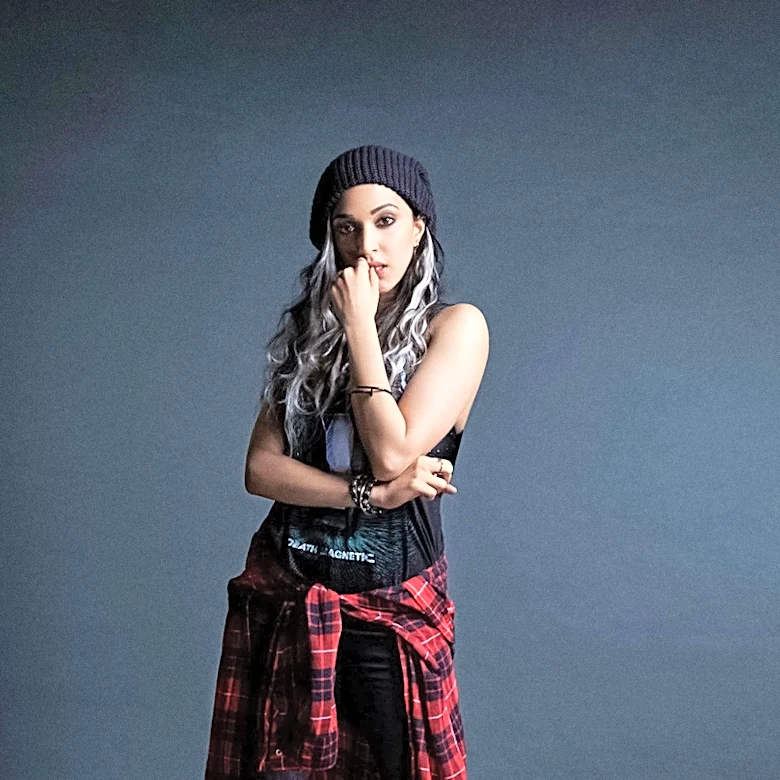
At an art fair, style becomes a tool for self-expression rather than a performance of trend-awareness. The clothing seen at Frieze often prioritizes personality, comfort, and a certain intellectual cool. Attendees are dressing for a long day of walking and talking, not just a ten-minute photo opportunity. This leads to choices that are more about an individual's curated taste—think architectural silhouettes, interesting textures, vintage finds, and comfortable but chic footwear. One stylist noted that art fairs are where people wear their 'real wardrobes', showcasing favorite pieces they genuinely love. The focus shifts from 'what's new' to 'what's me'. It’s less about a head-to-toe look from the latest runway and more about a confident mix that tells a personal story.
The Absence of a Uniform
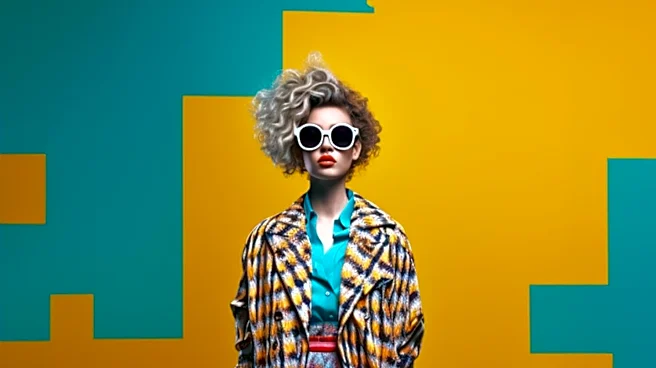
While Fashion Week street style can sometimes feel homogenous, with everyone seemingly receiving the same PR packages, Frieze style is defined by its eclecticism. You’ll see a collector in a beautifully tailored but understated coat next to a young artist in handmade garments or a gallerist in archival designer pieces. The 'uniform' is that there is no uniform. This environment encourages experimentation and nuance. Some may opt for bold, attention-grabbing outfits as an extension of their creative personalities, while others might deliberately tone it down, letting the art be the main focus. This variation is what makes it a richer, more authentic barometer of personal style. The style feels less like a mandate and more like a conversation.
The Real Test of Style
Ultimately, a trend-led event tests your access and ability to adopt what's current. Frieze, and art fairs like it, test your taste and confidence. It’s harder to assemble an outfit that feels both unique and appropriate in a creative-professional context than it is to wear a gifted head-to-toe runway look. Style in the art world is about signaling that you have a point of view, not just a shopping budget. It’s about curation—of your home, your art collection, and your wardrobe. Fashion here serves the person, not the other way around. It’s a supporting character in the story of their life and interests, which is the very essence of true personal style. While both arenas offer incredible fashion moments, the art fair provides a clearer window into how creative people integrate clothing into their lives beyond the hype cycle.