





From Defensive Afterthought to Attacking Engine
For decades, the fullback was one of the least glamorous positions on the field. Their job was simple: stay wide, stop the opposing winger, and don't get beat. Offense was a bonus, not a requirement. A fullback venturing past the halfway line was a rare
and sometimes reckless sight. They were defenders, first and foremost, expected to be disciplined, tough-tackling, and generally risk-averse. Training focused heavily on defensive positioning, forcing play away from the goal, and making sure a cross never reached the box. But as soccer tactics evolved, so did the role of the players on the flanks. The modern game, especially at the highest level, is defined by tactical fluidity, and no position has transformed more dramatically than the fullback.
The Modern Playbook: Width, Overlaps, and Overloads
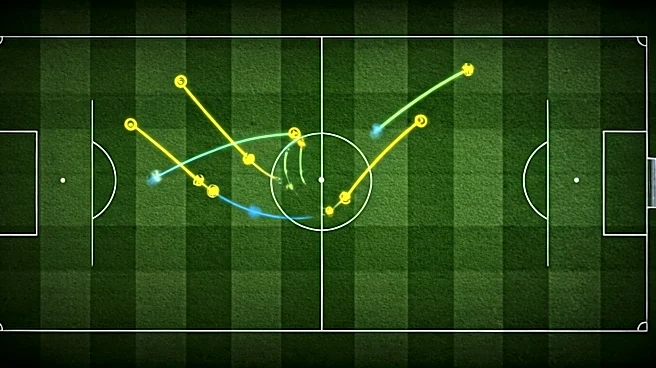
So what changed? Teams started playing with wingers who cut inside to shoot, leaving the wide channels of the field completely empty. Coaches realized that fullbacks were the perfect players to exploit this space. Instead of just defending, they are now integral to how teams build an attack. The modern fullback’s job description is immense. They provide the attacking width for the team, stretching the opposition's defense horizontally to create gaps for others. They perform lung-bursting “overlapping” runs, sprinting past their own winger to create a 2-on-1 situation against a single defender. This creates an overload, forcing the defense into uncomfortable decisions and opening up passing lanes or crossing opportunities. You'll see them delivering precise crosses into the box like an old-school winger or playing clever one-two passes to unlock a packed defense.
The Inverted Fullback: A Midfielder in Disguise
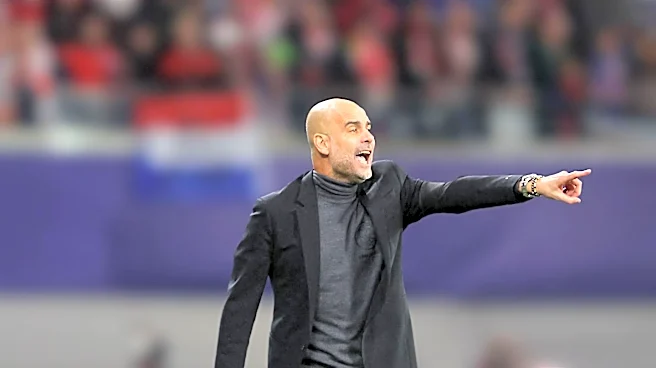
Just when defenses started getting used to fullbacks bombing down the wing, the game’s top minds changed the rules again. Enter the “inverted fullback.” Instead of hugging the sideline, these players now drift into the center of the field when their team has the ball. This tactical wrinkle, popularized by coaches like Pep Guardiola, essentially turns the fullback into an extra central midfielder. This allows the team to dominate possession, resist the opposition's press more effectively, and have more players in the middle of the park to control the game's tempo. It also provides better defensive balance; if the team loses the ball, the inverted fullback is already in a central position to help win it back. It’s a highly complex role that requires immense tactical intelligence and technical skill.
Why They Are the Key to a Cup Run
In a high-stakes tournament, teams often face defensive, compact opponents who are difficult to break down. This is where the attacking fullback becomes a team's secret weapon. Their ability to attack from deep and unexpected areas can disrupt a well-organized defense in ways a traditional forward cannot. A single, well-timed run or a pinpoint cross from a fullback can be the difference between a frustrating draw and a tournament-defining victory. These players are often the fittest on the pitch, required to cover the entire length of the field for 90 minutes, defending their goal one moment and setting up a chance the next. Their all-around contribution is what makes them so invaluable.