




The Power of Perfect Imperfection
Unlike the flawless, uniform weave of many modern synthetic fabrics, pure linen is born from the natural fibers of the flax plant. This gives it a distinct, slightly irregular texture known as 'slubs.' These tiny variations in thickness create a surface
that catches light in a more organic, less manufactured way. For a fantasy setting—whether it’s a ranger’s cloak or a villager’s tunic—this immediately signals that the garment was crafted by hand, not mass-produced in a factory. It’s this inherent imperfection that provides a baseline of authenticity. The fabric itself looks like it has a history before a single stitch is sewn, making it a go-to for designers aiming to build a believable world from the ground up.
Blending for the Best of Both Worlds
While 100% linen offers incredible texture and breathability, it has a notorious downside: it wrinkles if you so much as look at it. This is where blends become a costume designer's best friend. By mixing linen with other fibers, you can keep its best qualities while minimizing its weaknesses. A common partner is cotton, which softens the fabric, makes it more comfortable for actors to wear, and reduces severe creasing. Blending with rayon or viscose can give the fabric a better drape and a more fluid movement, perfect for an elegant elven gown that still needs to feel ancient and natural. These blends offer a practical compromise, providing a durable, visually interesting fabric that holds up to the rigors of filming while still looking authentically rustic or elegantly aged.
A Canvas for Character and Story
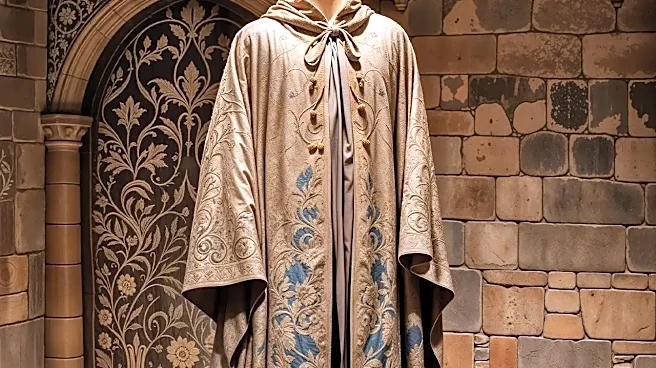
A character’s costume is a visual biography, and linen blends provide the perfect canvas to write that story. These fabrics take dye in a less uniform way than synthetics, resulting in a slightly mottled, weathered color that instantly feels more realistic. More importantly, they are exceptionally well-suited for distressing—the art of making new clothes look old and worn. A costume designer can use sandpaper, wire brushes, or even just repeated hot washes to create believable wear and tear on a linen-blend garment. Fraying the hem of a warrior’s tunic, fading the shoulders of a farmer’s shirt, or staining the sleeves of an alchemist’s robe are all techniques that help tell a story. This process turns a simple piece of clothing into a narrative tool, showing the audience whether the wearer is a seasoned traveler, a hardworking laborer, or royalty in disguise.
More Than Just Peasant-Wear
It’s easy to associate linen with simple, rustic clothing, like the humble tunics of medieval peasants. However, its use in fantasy costuming is far more versatile. The rich texture of a high-quality linen blend can be used for layering in more complex and noble costumes, adding depth and a sense of material history that a flat, synthetic fabric couldn't achieve. Think of the textured under-tunics worn by kings, the sturdy jackets of city guards, or the layered robes of a mage. By combining it with other materials like leather, wool, or even silks, designers can create a rich visual tapestry that speaks to a character's social status and personal history. The linen element keeps the costume grounded in a sense of reality, preventing even the most fantastical outfits from looking like cheap, modern costumes.