





The Philosophy of 'Less'
The simple, uncluttered appearance of Scandinavian design isn’t an accident; it’s a deliberate philosophy. Emerging in the mid-20th century, the movement prioritized functionality, simplicity, and a connection to nature. This is a design ethos that asks
to remove what is unnecessary and keep only what matters. In tailoring, this translates to eschewing excess ornamentation, bold patterns, or complex silhouettes in favor of clean lines and timeless forms. The goal isn’t to be boring, but to create pieces that are harmonious and lasting, that don't scream for attention but rather command quiet respect. This principle of “less is more” creates the illusion of simplicity, but it’s an illusion born from a rigorous editing process. Every seam, button, and cut is considered, serving a distinct purpose.
An Obsession with Material and Form
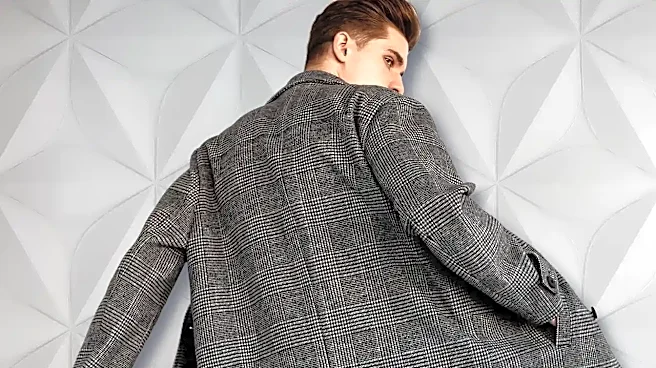
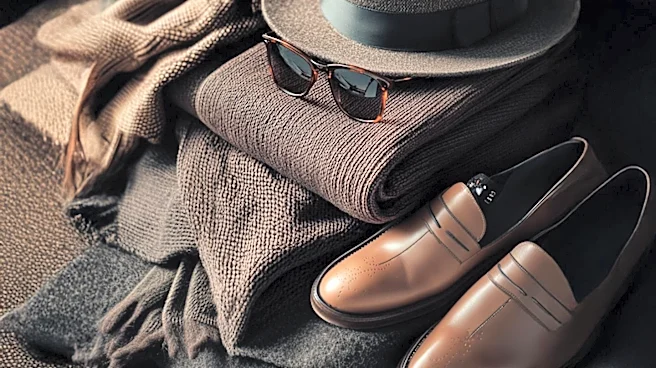
That so-called effortless look is deeply rooted in an obsession with high-quality, natural materials. Fabrics like wool, linen, leather, and cotton aren't just chosen for their look, but for their feel, durability, and how they drape on the human body. A minimalist garment relies entirely on the quality of its fabric and the precision of its cut to make an impression. The structure of a perfectly tailored blazer or the graceful fall of a wide-leg trouser is the result of countless hours of pattern-making and an expert understanding of how textiles behave. It’s a form of engineering, where comfort and practicality are paramount, especially given a Nordic lifestyle that often involves being outdoors and active, like biking to work. The garment must function as beautifully as it looks, and that functionality is anything but simple to achieve.
The Hidden Art of Construction
Beneath the serene surface of a Scandinavian-inspired garment lies a hidden world of complex construction. True quality tailoring, for example, often involves a canvassed construction, where an interlining of natural fibers is hand-stitched into the jacket. This allows the garment to mold to the wearer's body over time, providing structure and a perfect drape that glued, or fused, construction can't replicate. While a minimalist piece might have fewer visible details, the ones it does have—the flat-felled seams, the precise stitching, the perfectly set-in sleeve—are executed with immense skill. These are not shortcuts. This tradition of craft has deep roots in the region, where durability and functionality have long been essential for survival in harsh climates. This historical necessity for well-made goods has evolved into a modern cultural appreciation for things made to last.
More Than an Aesthetic, It's a Mindset
Ultimately, the appeal of Nordic style isn’t just about the clothes themselves, but the lifestyle they represent: calm, balanced, and intentional. It’s a quiet rebellion against the chaos of fast fashion and trend-chasing. Designers in the region often speak of creating garments that feel like old friends—reliable, comfortable, and timeless. This mindset prizes longevity over novelty and mindful consumption over impulse buys. So, while the final look may appear as though the wearer simply threw it on, that ease is the final product of a long chain of very effort-full decisions—from the designer's philosophy to the weaver's loom to the tailor's precise stitches. It’s not a lack of effort, but a mastery of it.