



The Core Conflict: To Pluck or Not to Pluck?
At the heart of the disagreement is the simple, tempting act of extraction. We've all been there: leaning into the bathroom mirror, tweezer or needle in hand, determined to free the trapped hair. One school of dermatological thought strongly advises against
this. They argue that any DIY 'bathroom surgery' breaks the skin's barrier, introducing bacteria that can lead to a painful infection, unsightly inflammation, and even permanent scarring or dark spots (post-inflammatory hyperpigmentation). The other side acknowledges that for a hair visibly trapped just below the surface, careful, sterile extraction can provide immediate relief and prevent the hair from burrowing deeper. However, they stress this should ideally be done by a professional with a sterile instrument to minimize risks. The average person's attempt, they warn, often does more harm than good by causing trauma to the follicle.
The 'Leave It Alone' Philosophy
Dermatologists in the 'less is more' camp believe that, in many cases, the body can resolve a simple ingrown hair on its own. An ingrown hair is essentially a foreign body reaction; the skin sees the hair as an invader and creates inflammation around it. Proponents of a hands-off approach argue that interfering with this process, especially by squeezing or digging, only intensifies the inflammation. Their recommended course of action involves patience and gentle care. This means applying warm compresses to soften the skin, which can help the hair find its own way out. It also means temporarily stopping all hair removal in that area—no shaving, waxing, or plucking—to avoid further irritation. The goal is to calm the skin and let the natural healing process work without creating a bigger problem like an abscess or a scar.
The 'Active Management' Approach
On the other side are the dermatologists who advocate for proactive, targeted treatment. This doesn't mean aggressive picking, but rather using smart skincare ingredients to solve the problem. This camp champions the use of chemical exfoliants like salicylic acid (a beta-hydroxy acid, or BHA) and glycolic acid (an alpha-hydroxy acid, or AHA). These ingredients work by dissolving the dead skin cells that clog the follicle and trap the hair, allowing it to surface. For more inflamed bumps, some dermatologists may recommend topical treatments like benzoyl peroxide or a mild steroid cream to reduce inflammation and bacteria. For moderate to severe cases, known as pseudofolliculitis barbae, they might even prescribe oral antibiotics to manage the inflammation, not just the infection. This approach is about actively managing the situation to prevent it from worsening or becoming chronic.
Where Everyone Agrees: Prevention
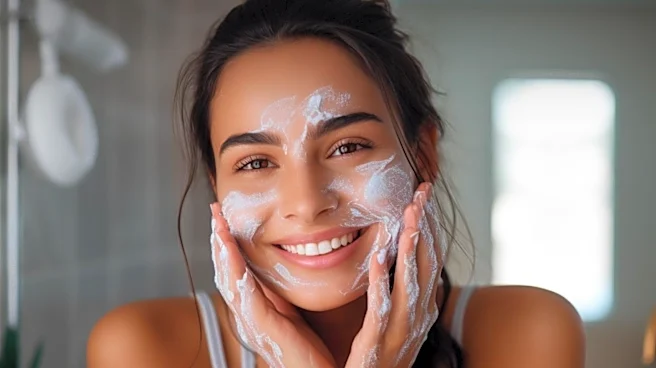
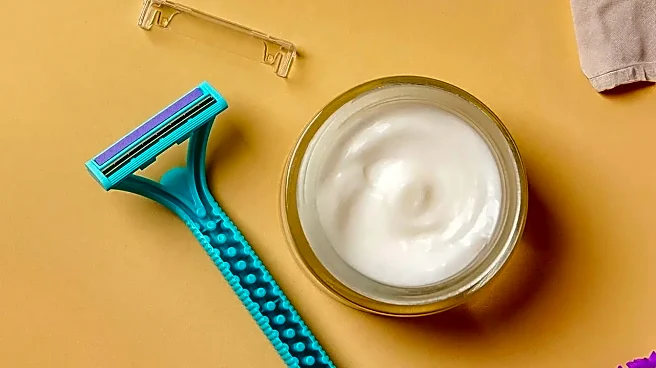
Despite tactical disagreements on treatment, there is near-universal consensus among dermatologists on one thing: prevention is the best medicine. Experts from both camps stress the importance of proper hair removal techniques. This includes shaving in the direction of hair growth, not against it; using a sharp, clean razor; and never shaving on dry skin. Preparing the skin with warm water and a moisturizing shave gel is crucial. Regular, gentle exfoliation a few times a week is also universally recommended to prevent the buildup of dead skin that leads to trapped hairs. For those especially prone to ingrowns, particularly people with coarse or curly hair, dermatologists often suggest alternatives to close shaving, like using electric clippers that leave a bit of length or considering more permanent solutions like laser hair removal.
When to Call a Professional
The final point of agreement is knowing when an ingrown hair has escalated beyond a simple annoyance. If a bump becomes increasingly painful, feels warm to the touch, develops significant pus, or doesn't improve after a week of gentle home care, it's time to see a dermatologist. These are signs of a potential infection that may require prescription antibiotics. Furthermore, if you experience chronic, recurring ingrown hairs that lead to scarring or discoloration, a professional can offer treatments that aren't available over the counter, such as steroid injections to reduce large, cyst-like bumps, professional extraction of deeply embedded hairs, or prescribing retinoids to help keep follicles clear.