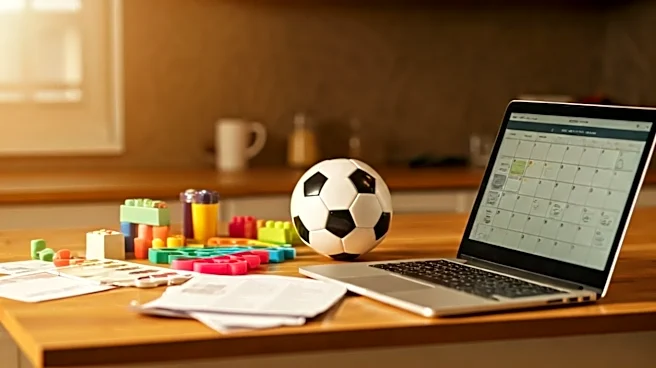










Create a Central 'Game Plan' Calendar
Forget a simple schedule; you need a strategic command center. Designate a large wall calendar or a shared digital one (like Google Calendar or Cozi) as your family's official tournament HQ. This isn't just for match times. Use color-coded markers or tags
for different categories: red for can't-miss matches, green for outdoor play time, blue for family meals, and yellow for individual activities or chores. By visualizing the entire week, everyone can see where the pockets of free time are. It empowers kids to understand the give-and-take of the schedule and reduces the constant "what are we doing now?" questions. This visual map turns scheduling from a parental chore into a team effort.
Master the 'Snack Stadium' Meal Prep
Game days can wreck a meal routine, turning dinner into a scramble for lukewarm pizza. Get ahead by theming your food. On Sunday, prep a batch of 'halftime snacks'—things like veggie sticks with dip, fruit skewers, or mini quesadillas that can be quickly assembled. For dinners, embrace slow-cooker or one-pan meals that are ready when you are. Better yet, turn the food into part of the event. Build a 'snack stadium' on the coffee table using containers and boxes, filling it with healthy and fun options. Or have 'country-themed' dinners for big matches. This reframes mealtime from an interruption into an integral part of the celebration, making you feel like a host, not a harried line cook.
Set 'Red Card' Rules for Screens
A summer-long tournament can easily become a free-for-all of screen time. To avoid arguments, hold a family meeting before the first whistle blows to set clear expectations. Decide together which matches are 'all-hands' viewing events and which are optional. Establish rules for other devices during games—are phones allowed, or is it a 'no-distraction zone'? Crucially, define what happens when the final whistle blows. Does the TV go off immediately, or is there a 'post-game show' of family chat time? By co-creating the rules, you give kids ownership and reduce the friction that comes from making up policies on the fly.
Use Halftime for a '15-Minute Hustle'
The 15-minute halftime break is a golden opportunity. Instead of letting everyone drift to their phones, weaponize it. Call it the 'Halftime Hustle' and challenge the family to see what you can collectively accomplish in that short window. This could be unloading the dishwasher, tidying the living room, packing lunches for the next day, or even a quick round of yard work. Make it a race against the clock. When the second half starts, a necessary chore is done, and everyone can relax back into the game with a shared sense of accomplishment. It's a surprisingly effective way to chip away at the constant hum of household duties without sacrificing fun.
Schedule 'Away Games' for the Family
With so much focus on staying in to watch TV, it's vital to schedule time out of the house. Look at the tournament schedule and identify days with no major games or matches you're willing to miss. Mark these on your 'Game Plan' calendar as 'Away Games'—non-negotiable family outings. It could be a trip to the pool, a hike, a visit to the library, or even just a kickabout in the local park. This ensures the entire summer doesn't dissolve into a passive viewing experience. It reminds everyone that while the tournament is exciting, the real team to root for is the one right there in your living room (and at the park).
Hold a 'Post-Game Press Conference'
The experience of watching sports together is about more than just the result. Use the moments after a big game to connect. This doesn't have to be a formal debrief, but a casual chat can work wonders. Ask open-ended questions: "What was your favorite moment of the game?" "Who do you think was the best player today and why?" "That penalty call was controversial—what did you think?" This is your chance to teach sportsmanship, talk about resilience after a tough loss, and celebrate the highs of a great victory. It turns a passive activity into an active conversation, creating lasting memories and teaching valuable life lessons through the lens of the game.