




The Masterclass in Monochrome
Look no further than the Princess of Wales for a lesson in perfect proportions. When she appears in a head-to-toe single color—a frequent and effective choice—the focus shifts entirely to silhouette and scale. A recent appearance in a vibrant red featured
a dress with a defined waist and flowing A-line skirt, paired with a matching wide-brimmed hat. The hat wasn't comically oversized or timidly small; its brim was just wide enough to balance the volume of the skirt without overwhelming her frame. By keeping the color consistent, the eye is drawn to the interplay of shapes. The hat frames the face, the nipped waist creates an anchor point, and the skirt provides a soft, elegant base. It's a composition, not just an outfit.
Balancing Dramatic Headwear
Royal Ascot is the spiritual home of the statement hat, but a dramatic headpiece can easily swallow its wearer. The trick, as demonstrated by style veterans, is to counterbalance it with simplicity elsewhere. Think of a guest sporting a truly sculptural, gravity-defying fascinator adorned with intricate feathers and twists. The most successful versions of this look are almost always paired with a dress that is sleek, form-fitting, and minimally embellished. A simple sheath dress in a solid color acts as a pedestal for the artful headwear. It allows the hat to be the undisputed star of the show without creating visual chaos. The outfit says, "I am confident enough to let one element sing," which is the essence of sophisticated dressing.
The Power of the Petite Fascinator
Scale isn't always about going big. Sometimes, the most elegant statement is a small one. For attendees who choose dresses with significant volume, bold patterns, or complex details like ruffles and pleats, a large hat would be disastrous. Instead, the smart choice is a small, impeccably crafted fascinator or 'hatinator.' This delicate accessory provides the requisite head covering without competing with the dress. It's a confident whisper rather than a shout. This approach shows an understanding that the 'main event' of the outfit is the garment itself. The fascinator becomes a punctuation mark—a perfect, final touch that completes the look while respecting the dress's starring role.
Playing with Print and Proportion
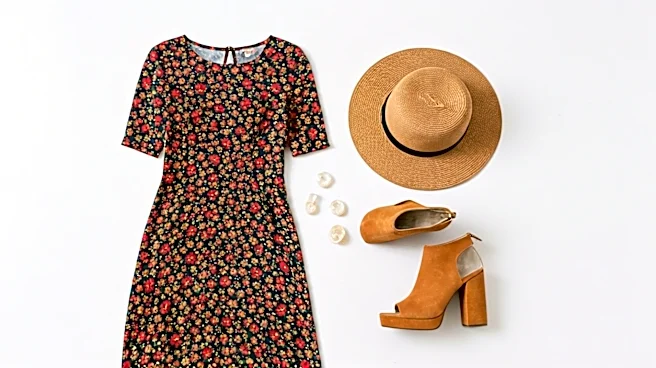
Pattern introduces another layer to the game of scale. A large-scale floral print, for example, demands careful handling. When a guest wears a dress covered in big, bold blooms, the headwear must be a quiet companion. Often, the best choice is a solid-color hat that picks up one of the minor shades in the print. This ties the look together without making it too busy. Conversely, a dress with a tiny, delicate pattern like a micro-polka dot or a subtle geometric can support a more substantial hat. The quietness of the print provides a neutral-like canvas, allowing for a bit more drama up top. The most polished looks feel intentional, as if the scale of the print and the scale of the hat were designed in unison.
The Column Dress and the Wide Brim
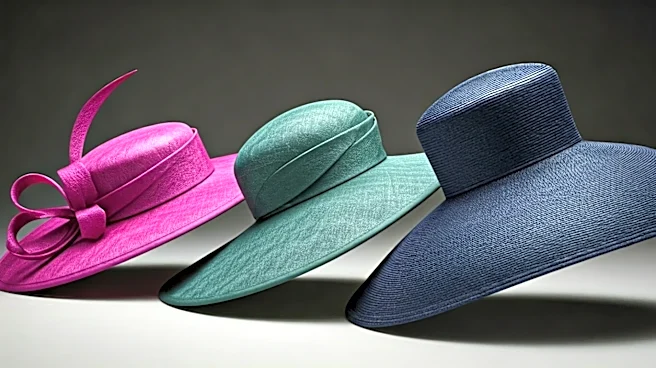
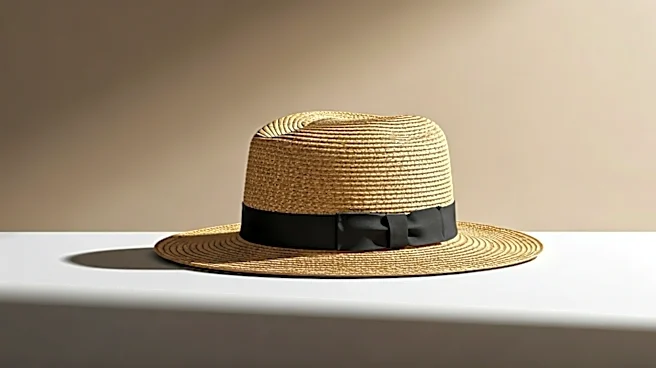
A classic pairing that never fails is the combination of a long, lean silhouette with a wide-brimmed hat. Think of a column dress or a chic, tailored jumpsuit that creates a strong vertical line. Topping this with a hat with a wide, flat brim creates a striking 'T' shape. This is a powerful play on architectural lines. The verticality of the body is dramatically capped by the horizontal plane of the hat. It's graphic, modern, and incredibly chic. This works because the two elements are in stark, deliberate contrast, creating a dynamic tension that is visually exciting. It avoids the fussiness of ruffles or layers, opting instead for pure, clean geometry—a testament to the idea that sometimes, the simplest shapes have the biggest impact.