





The Myth of a Single Wear
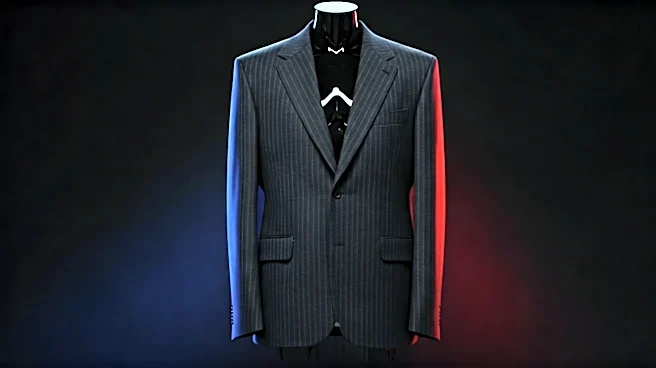
The first objection to a $10,000 suit is obvious: you wear it once. But that’s a fundamental misunderstanding of the modern media landscape. The 'wear' of an NBA Draft suit isn't measured in hours on the body; it's measured in impressions, pixels, and permanence.
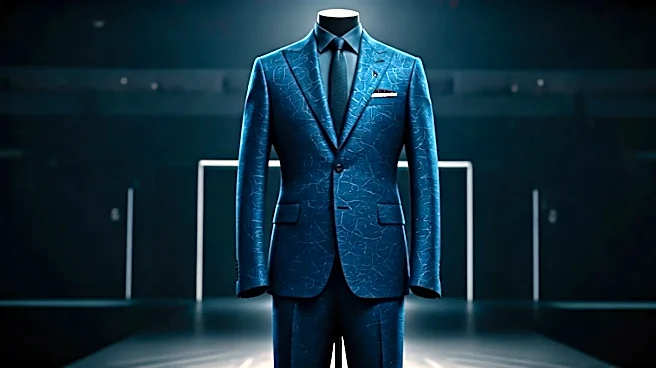
That one night is broadcast live to millions, captured in thousands of professional photographs, and screenshotted for social media an infinite number of times. The suit lives on in highlight reels, 'best-dressed' listicles, career retrospectives, and video game character models for years to come. Every time that iconic image is used, the suit is 'worn' again. The cost-per-wear calculation plummets when you realize the 'wear' is perpetual and digital, defining a player's image at the very moment it’s being globally minted.
Your First Professional Investment
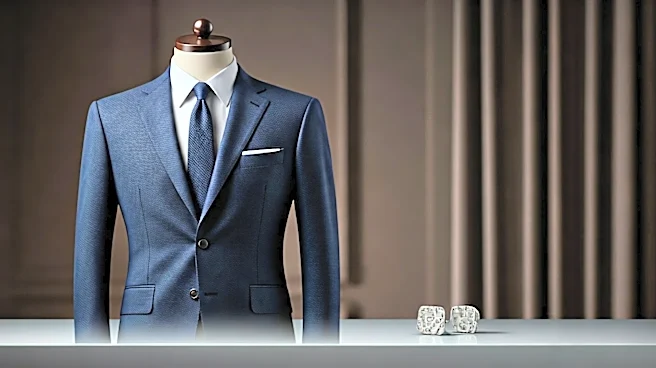
Forget thinking of it as clothing. The draft night suit is a business asset. It's the first major piece of personal branding for an athlete transitioning from amateur to professional. In a league where personality and marketability can be as valuable as a jump shot, the suit is a silent pitch to sponsors, fans, and front offices. Does it signal quiet confidence? Bold creativity? A deep connection to one's roots? A well-tailored, thoughtful suit communicates professionalism, attention to detail, and an understanding that you’re now part of an entertainment business. It's no different than a startup founder investing in a killer slide deck for a venture capital meeting. This is their meeting, and the suit is the cover of their presentation.
More Than Fabric: Story and Confidence
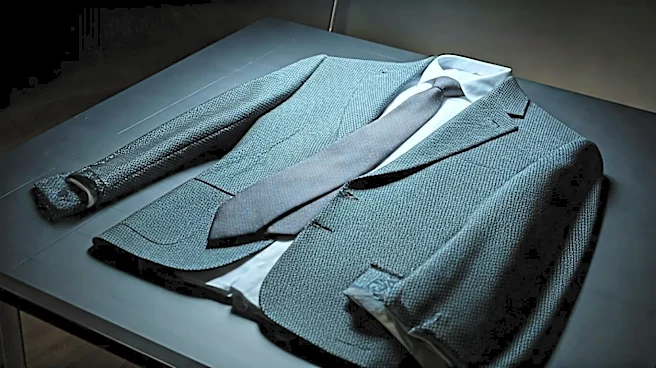
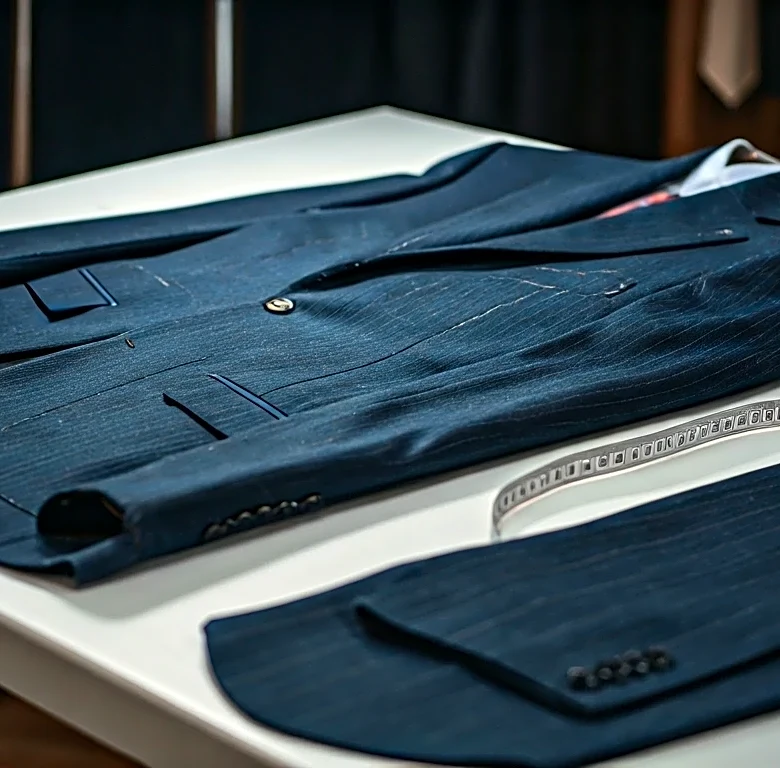
What often gets missed on television is the suit's hidden story. For years, draftees have worked with designers like Jhoanna Alba or Waraire Boswell to embed their personal journeys into the garment itself. The lining of a jacket becomes a canvas for family photos, the name of a beloved grandmother, a map of a hometown, or a tribute to a fallen friend. When De'Andre Hunter wore a suit lined with a painting of his family, he wasn’t just wearing a suit; he was carrying his support system with him. This turns the garment into a piece of emotional armor. On the most nerve-wracking night of a young person’s life, that connection provides a tangible sense of confidence and grounding that no off-the-rack option ever could. The return on investment here isn't financial; it's psychological.
The Afterlife on Display
The value doesn't end when the night is over. These suits often begin a second life. Some become cherished family heirlooms, a physical reminder of the day everything changed. Others are loaned or donated to the Naismith Memorial Basketball Hall of Fame, literally becoming part of the sport's history. LeBron James's all-white 2003 draft suit is as iconic as the pick itself. Still others are auctioned off for charity, transforming a luxury purchase into a vehicle for social good that can raise multiples of its initial cost. This 'afterlife' adds another layer to the cost-per-wear argument, proving the suit's value can extend far beyond the player's own closet, benefiting communities and cementing a player’s legacy.