





Designing for the Camera, Not the Room
The first thing to understand about any major awards show is that it's produced for the millions watching at home, not the few thousand people in the building. While the live audience experience matters, the primary goal is to create a cinematic story
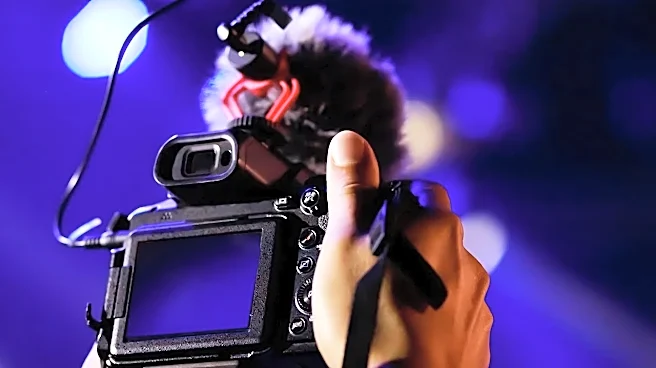
for the broadcast. Production designers for events like the VMAs are tasked with creating a spectacle that feels grand and immersive through a camera lens. A common mistake in live production is designing a set that looks amazing in person but fails to translate to the TV audience. The goal is to make the viewer feel connected to the artist, as if there's no screen between them. This requires a seamless blend of physical stage elements, lighting, and screen content.
The Real Trick: Forced Perspective and Wide Lenses
So, what's the secret? A huge part of the magic comes from combining two classic techniques: forced perspective and specific camera work. Forced perspective is an optical illusion that manipulates our perception to make objects appear larger, smaller, closer, or farther away than they really are. In stage design, this is often achieved by building sets that are physically shallower than they appear, with elements tapering as they go back. When paired with a wide-angle lens positioned low to the ground and close to the action, the effect is dramatic. This combination exaggerates depth, making a 40-foot deep stage feel like it stretches on forever. The wide lens captures more of the foreground, making the artist dominate the frame, while the distorted perspective makes the background feel vast and impossibly distant.
It Takes a Village of Illusions
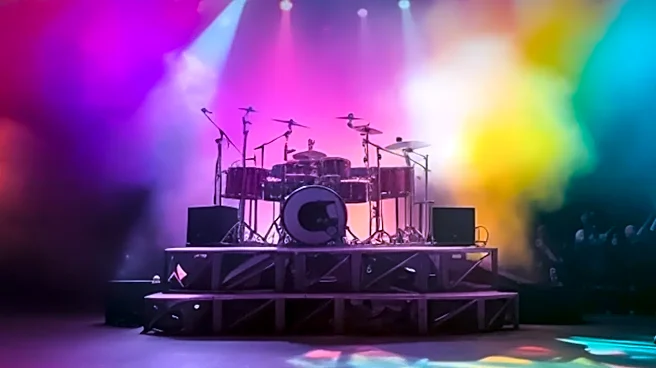
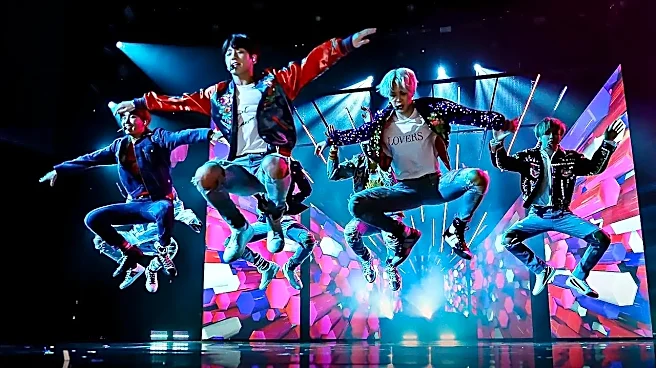
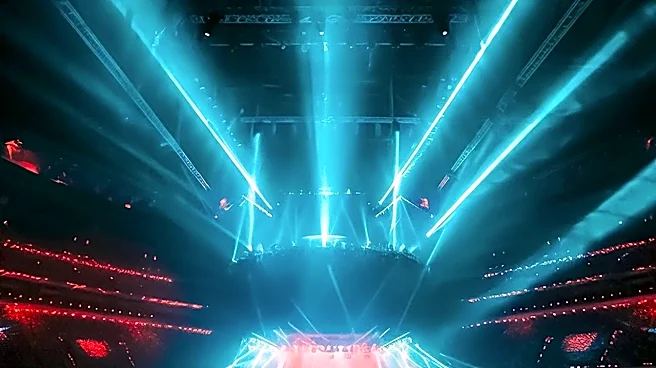
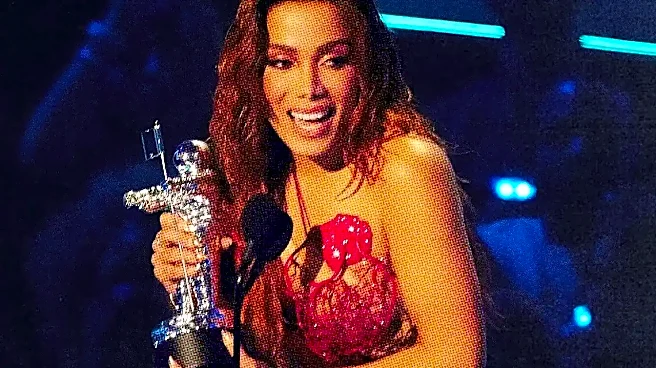
While camera angles are a core component, they work in concert with other elements. Massive, high-resolution LED screens are crucial, often blurring the line between the physical set and digital content. Production designers talk about dissolving the border between the set and the screen, creating a layered, immersive world. For the 2025 VMAs, designers used anamorphic illusions on flat LED screens to make the iconic Moon Person statue appear three-dimensional and animated. Lighting also plays a huge role, using techniques like volumetric beams and layered depth lighting to create a cinematic, non-flat look on camera. Even the audience is part of the design; seating nominees and major stars in the highly visible sections closest to the stage ensures that any camera sweep captures a star-studded room, enhancing the event's prestige.
The VMA Method in Action
Recent VMA shows have become masterclasses in this philosophy. The 2024 ceremony at UBS Arena, for example, used four distinct stages to create unique environments for each performance, including a "Fandom Stage" embedded within the audience to heighten the sense of energy and connection. This multi-stage setup, a recurring feature in VMA design, allows for quick transitions but also gives cameras a variety of dynamic backdrops. By utilizing towering inflatable set pieces, projection mapping, and massive video walls that wrap around the performers, the production team builds a world for each three-minute song. Whether it’s Katy Perry performing a mid-air spectacle across multiple platforms or Taylor Swift commanding a stage flanked by immersive video, the design philosophy is the same: build a universe that feels boundless, all through the carefully controlled frame of a television camera.