



From Scene-Stealers to Superstars
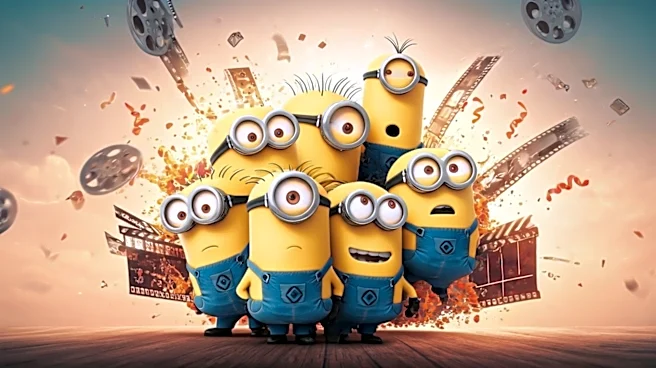
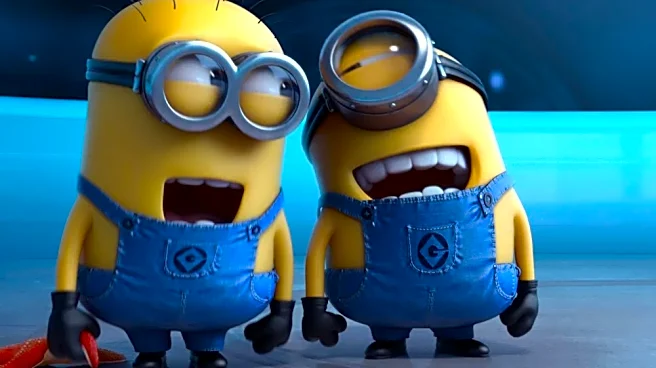
It’s hard to imagine now, but the Minions weren’t originally the main event. When “Despicable Me” premiered in 2010, they were the bumbling, gibberish-speaking henchmen to Steve Carell’s supervillain, Gru. They were comic relief, designed as secondary
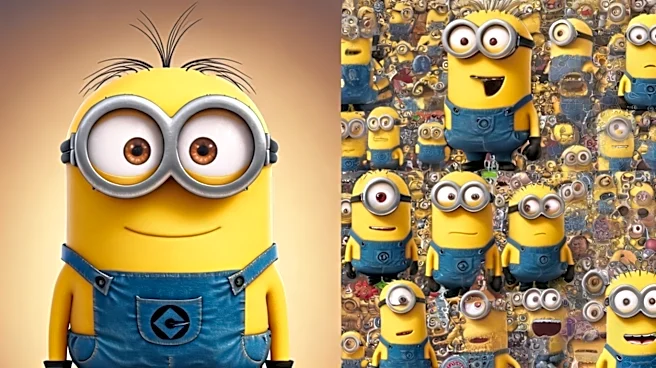
characters. But audiences of all ages were instantly captivated by their chaotic energy and slapstick humor. Their oddball language, a mix of real words from various languages and pure nonsense, meant their comedy was entirely physical and visual, transcending cultural and language barriers. Universal Pictures and Illumination quickly realized they had lightning in a bottle, and the little yellow creatures were catapulted from sidekicks to the undeniable stars of what would become the highest-grossing animated franchise in history.
The Two-Sided Meme-ification
The Minions' cultural takeover was supercharged by the internet, where they became a meme powerhouse with a strange dual identity. On one side of the internet, particularly Facebook, Minions became the face of earnest, often cringe-worthy memes shared by older generations. These posts, usually featuring a Minion alongside a generic inspirational quote or a complaint about Mondays, became an online trope in themselves. On the other side, younger generations, particularly Gen Z, began to interact with the characters ironically. This culminated in the “Gentleminions” trend on TikTok, where droves of young men in formal suits attended screenings of “Minions: The Rise of Gru” as a form of elaborate, ironic appreciation. This organic, user-generated marketing, whether earnest or ironic, kept the Minions perpetually relevant and demonstrated their unique ability to exist in multiple cultural lanes at once.
An Unstoppable Marketing Machine
Beyond their on-screen and online antics, the Minions are a marketing marvel. Their simple, pill-like design is instantly recognizable and endlessly replicable, leading to a merchandising empire that placed their goggled faces on everything from toys and t-shirts to theme park attractions and even toasters. This constant visibility creates a feedback loop: the movies fuel the merchandise, and the merchandise keeps the characters in the public consciousness between film releases. This relentless-but-brilliant branding strategy ensures that even if you haven't seen a movie in years, the Minions are never far from sight, making each new film release feel like an unavoidable cultural event.
The Perfect 'Good Enough' Movie
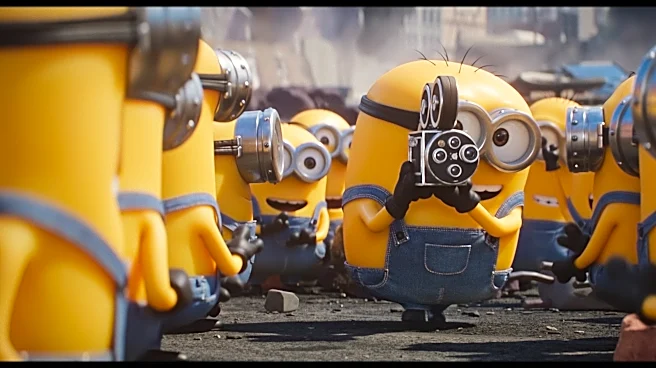
For many adults, especially parents, the Minions franchise has settled into a comfortable niche: it’s the reliable choice for a family movie outing. While recent installments like “Despicable Me 4” have received mixed reviews from critics, who point to thin plots, they are still praised for delivering consistent laughs and visual gags. The films are fast-paced, colorful, and packed with enough slapstick to keep children entertained. For adults, the movies are often just clever enough, peppering in pop culture references and jokes aimed over the kids’ heads. This makes them the perfect “good enough” film—a low-stakes, reliably amusing option that satisfies the whole family, even if the adults are only half-watching. It’s an easy, escapist choice in a complicated world, and sometimes, that’s exactly what an adult moviegoer is looking for.