






Anchor the Idea, Not the Spectacle
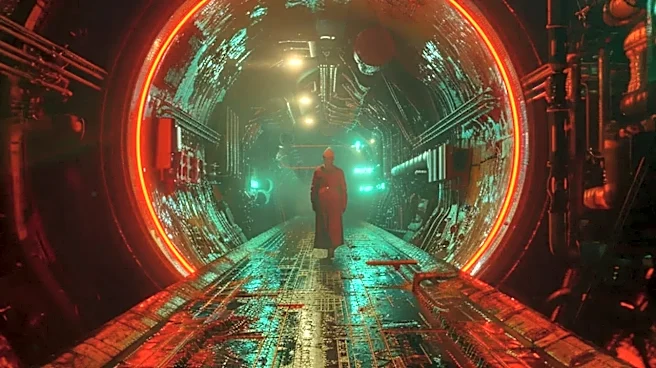
The secret to convincing, budget-conscious sci-fi is to invest in a single, powerful speculative question rather than a hundred flashy effects. Shows like Apple TV+'s Silo or Severance thrive by asking a compelling “what if?”—what if society lived in a subterranean
bunker, or what if you could surgically divide your work and personal life? The worlds are built outward from that core concept. The setting serves the idea, not the other way around. This approach grounds the story in a relatable human dilemma, allowing audiences to connect with the characters' struggles. The drama comes from navigating the rules of this strange new reality, a conflict that is far cheaper and often more engaging than a CGI-heavy alien invasion. By focusing the budget on perfecting one or two key environmental or technological details, the rest of the world can be implied, feeling rich and expansive in the audience's imagination.
Master the Art of Implication
Some of the most memorable science fiction tells you less, not more. Instead of showing a sprawling alien cityscape, a story might spend its time inside a cramped, beautifully designed spaceship, letting the characters' dialogue paint a picture of the universe outside. This is world-building through inference. Subtle cues in dialogue, costume design, or even the type of food a character eats can reveal volumes about the society they inhabit. Think of the original Star Trek or shows like Firefly; they built loyal followings not by showing every corner of the galaxy, but by making the slice of it we saw feel authentic and lived-in. Sound design, lighting, and what is deliberately kept off-screen can create more suspense and wonder than a fully rendered monster. The audience's imagination is the most powerful special effect, and it's free.
Weaponize Your Limitations
The classic “bottle episode,” an episode shot on a single set to save money, is more than just a production necessity; it’s a creative philosophy. Confining characters to a single location forces writers to rely on sharp dialogue, escalating tension, and deep character exploration. These constraints can produce some of a series' most powerful installments. A sci-fi series can adopt this ethos for its entire run. By embracing limitations—a small cast, a handful of locations, a focused timeline—a show can turn its financial reality into an artistic strength. Shows like the classic Doctor Who used their shoestring budgets to lean into creativity, proving that a compelling story is the most important production value. This approach prioritizes emotional and intellectual depth, proving that a conversation can be just as thrilling as a chase sequence when the stakes are high enough.
Focus on the Human Element
Ultimately, science fiction isn't really about the future or alien planets; it's about us, right now. The genre uses speculative settings to explore timeless human themes: love, loss, power, community, and what it means to be human. A show can have the most breathtaking special effects in history, but if the audience doesn't care about the people on screen, the story will feel hollow. In contrast, shows that prioritize character development can get away with minimalist world-building because the emotional core is so strong. The relationships, moral choices, and personal sacrifices of the characters are what make a fictional world feel real. For Fall 2026, the sci-fi shows that resonate won't be the ones that spend the most money, but the ones that understand that a compelling future is built one believable character at a time.