




5. Cotton: The Absolute Worst Choice
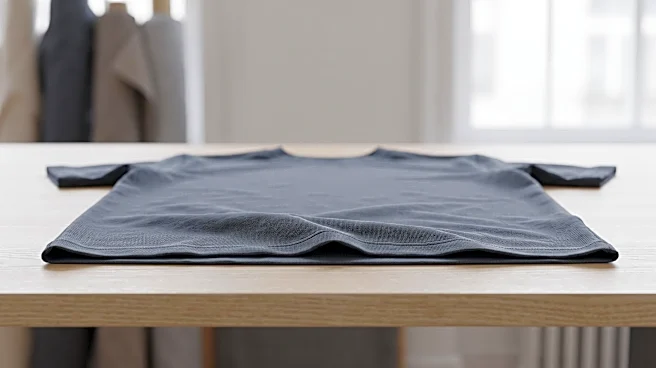
You might love your favorite cotton hoodie, but for layering in shifting temperatures, it's a liability. Cotton is hydrophilic, meaning it loves water. When you sweat in an overheated room, it absorbs that moisture like a sponge and holds it against your skin.
Once you step back into the cold, that dampness pulls heat away from your body, making you feel colder and clammier than before. While fine for lounging in a consistently warm, dry room, cotton loses nearly all its insulating properties when wet, making it the fastest way to get chilled.
4. Standard Synthetics (Polyester & Nylon): The Budget-Friendly Workhorse
An undisputed step up from cotton, synthetic fabrics like polyester and nylon are hydrophobic, meaning they repel water. Instead of absorbing your sweat, they pull moisture away from your skin and push it to the fabric's outer surface to evaporate. This 'moisture-wicking' ability is crucial for staying dry and comfortable. However, some synthetics can feel less breathable, trapping heat and creating a 'clammy' feeling even as they keep you dry. They're an affordable and effective option, especially for high-output activities, but can lack the all-around comfort of natural fibers.
3. Fleece: The Cozy Insulator
Technically a synthetic (usually polyester), fleece earns its own spot for its unique structure. Its soft, lofted fibers are designed to mimic animal fur, creating millions of tiny air pockets that trap body heat, making it an excellent insulator. Fleece is also lightweight, dries quickly, and maintains much of its warmth even when damp. Its main drawback is that it can be less breathable than wool and is often bulkier, making it a fantastic mid-layer for trapping heat but less ideal as a next-to-skin base layer where temperature regulation is paramount.
2. Silk: The Surprisingly Smart Base Layer
Often overlooked for winter, silk is a phenomenal temperature regulator. Its protein-based fibers are incredibly breathable and lightweight, providing warmth without bulk. Like wool, silk creates tiny air pockets that provide a thermal barrier. It also does a great job of wicking moisture away from the skin, keeping you dry and comfortable. While not as robust an insulator as wool or fleece, its smooth, non-bulky feel makes it an exceptional base layer, perfect for wearing under a sweater at the office without overheating. Its main downsides are its higher cost and more delicate nature.
1. Merino Wool: The Undisputed Champion of Thermoregulation
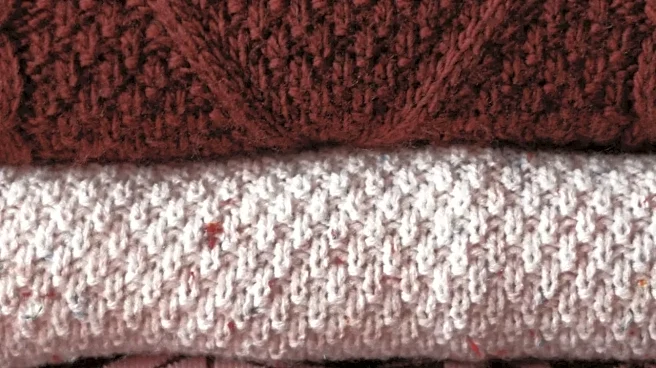
Merino wool is nature's perfect performance fabric. Its fibers are much finer and softer than traditional wool, so they don't itch. What makes merino the winner is its unmatched ability to thermoregulate: it keeps you warm in the cold and cool in the heat. It absorbs moisture vapor from your skin before it even turns to sweat, trapping it within the fiber while the surface remains feeling dry. It can absorb up to 30% of its own weight in moisture without feeling damp and still provides insulation when wet. It's also naturally odor-resistant. For moving between a frigid street and a warm building, no fabric adapts better.