





Why Your Fabric Choice Is Crucial
Think of fashion tape like any adhesive: it needs a good surface to grip. The effectiveness of that little double-sided strip has less to do with its own strength and more to do with the material it's sticking to. A fabric's weight, texture, and weave
determine whether the tape can form a reliable bond. Heavy, slick, or overly delicate materials can cause the tape to fail, not because the tape is weak, but because the fabric itself isn't a good partner for the adhesive. Before you even think about placement, a quick analysis of your garment's material is the most important step to ensuring your look stays perfectly in place all night long.
Fashion Tape's Best Friends: The Fabrics That Work
Certain materials are practically made for fashion tape. These fabrics typically have a smooth, flat surface and a tight weave, giving the adhesive plenty to grab onto. Structured cottons are a top contender, as their finish provides an ideal canvas. Most polyester blends, rayons, and denim also work exceptionally well. These materials are sturdy enough to support the tape without being too heavy, and their surfaces are generally free of the oils or textures that can interfere with adhesion. A good rule of thumb: if the fabric feels smooth and relatively lightweight, you're likely in good shape for a secure hold for everything from gaping blouses to securing plunging necklines.
Handle With Care: The Risky Fabrics
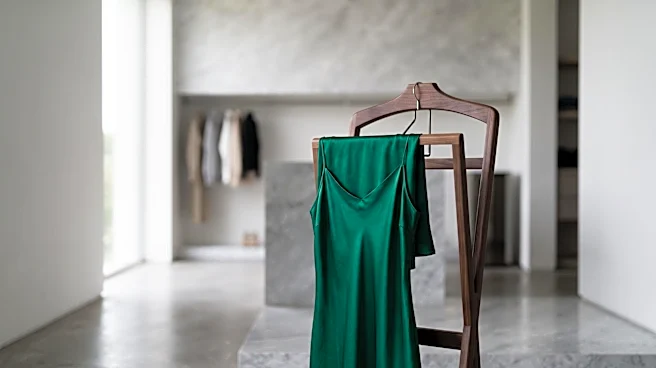
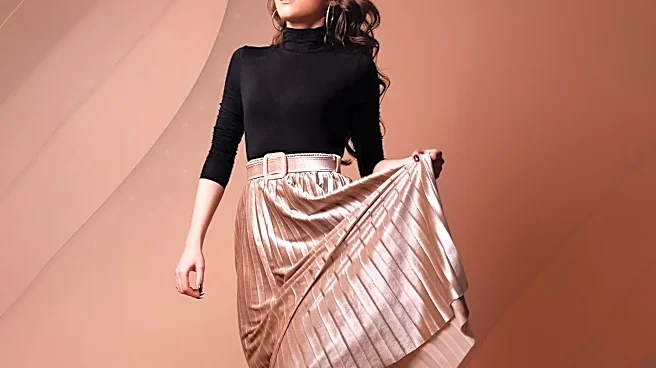
This is where many fashion emergencies begin. Some of the most beautiful and luxurious fabrics are also the most difficult for fashion tape. Silk, satin, and chiffon are notoriously slippery, and the tape’s adhesive often can't get a proper grip on their slick surfaces. Velvet presents a different challenge; its plush pile creates an uneven, textured surface that prevents the tape from making full contact. Similarly, heavily sequined, beaded, or metallic-threaded garments don't offer a flat, stable area for the tape to adhere. With these materials, it's wise to test the tape on a hidden seam first or consider a gentler, soft-hold tape designed for delicates. But even then, proceed with caution.
Pro Tips for a Flawless Application
Once you've confirmed your fabric is a good candidate, proper application is key. First, ensure your skin is completely clean and dry, free of any lotions, oils, or powders that can break down the adhesive. Apply the tape to the garment first, pressing it down firmly before peeling off the second backing. Position the garment exactly where you want it, then press it firmly against your skin and hold for about 20-30 seconds to allow the adhesive to bond with your body heat. Use several smaller strips instead of one long one for a more flexible, secure hold, and always place them slightly inside the edge of the fabric so they remain invisible.
When Fashion Tape Isn't the Answer
Sometimes, fashion tape just isn't the right tool for the job. For very heavy fabrics, a strong hold might require so much tape it becomes bulky and visible. On extremely delicate or vintage fabrics like fine silk or lace, even a gentle tape could potentially damage the fibers upon removal. In these cases, it's better to look for alternatives. A few tiny, well-placed stitches with a needle and thread can provide a secure and damage-free hold that you can easily remove later. For other situations, exploring different underpinnings or even consulting a tailor for a quick, temporary alteration might be a more reliable solution than risking a tape failure on a tricky fabric.