



The Anchor and the Arc
For an artist with one song that has eclipsed all others, that track is both a blessing and a burden. It’s the primary reason a huge portion of the festival crowd is standing in front of the stage. [9] This song becomes the anchor, the undeniable center
of gravity for the entire performance. Producers and artists don't fight this; they lean into it. They treat the setlist not as a random collection of tracks, but as a narrative or an emotional arc designed to climax at just the right moment. [6, 17] The process begins by acknowledging that the signature song is the destination. The real art lies in crafting the journey to get there. The entire performance is reverse-engineered from that peak moment, ensuring every song that comes before it serves a purpose in building anticipation. [1]
Mapping the Crowd's Energy
A festival audience is a different beast than a theater full of dedicated fans. Many are unfamiliar with the artist's deeper cuts. [1] Because of this, the setlist has to work harder to grab and hold attention. Producers think of the show's energy flow as a rollercoaster. [7] You can't start at the highest peak and stay there; the audience will burn out or grow bored. [5] The set often opens with a strong, confident, and high-energy track—but almost never the signature song. [7, 17] The goal of the first few songs is to win over the undecided, establish a vibe, and prove the artist belongs on that stage. [1] From there, the setlist strategically dips into slower, more intimate moments. These "breathers" provide contrast, allow the audience (and the artist) to catch their breath, and make the subsequent return to high-energy tracks feel even more impactful. [7, 17]
The Placement Puzzle
So, where do you put the diamond? The most common strategy is to place the signature song as the closer of the main set, just before the encore. [1] This ensures the performance ends on an absolute high, leaving the crowd with the song they came to hear ringing in their ears. It’s the explosive finale that makes the entire experience memorable. [10] However, some artists play with this expectation. A mid-set deployment of the hit can be a powerful surprise, re-energizing a crowd that might be starting to fade. It acts as a massive jolt of adrenaline, assuring the audience that the artist knows what they want and there's still more to come. An even bolder move is to open with it, a statement of supreme confidence. This approach, while risky, can immediately capture a transient festival audience and hold them for the rest of the set. The choice depends entirely on the story the artist wants to tell. [6]
Building a World Around the Moment
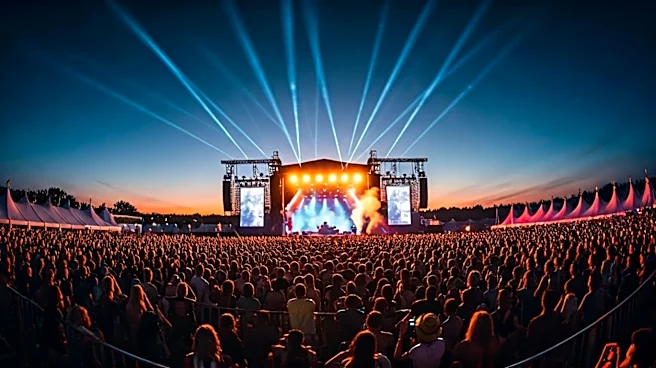
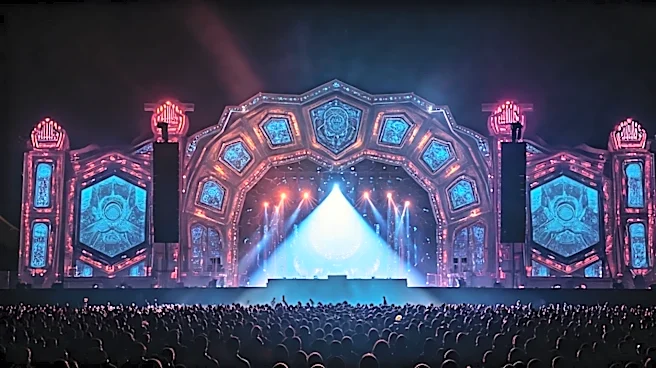
Modern festival production is a multi-sensory experience. The signature song isn’t just played; it’s *unleashed*. The production surrounding the set is designed to peak with it. [20] Lighting designers, video teams, and special effects coordinators all work with the setlist as their blueprint. [19] For most of the show, the lighting might be dynamic but relatively standard. When the signature song hits, however, everything changes. The full arsenal is deployed: the most complex lighting cues, custom video content on the screens, and pyrotechnics or confetti cannons that have been held in reserve. [24] These elements are often pre-programmed and synchronized to the track, creating a show-within-a-show. This transforms the song from just another track in the list to an immersive, unforgettable event—the pinnacle of the set that everyone will be talking about long after they've left the field. [19]