





The New Guard of Glamour
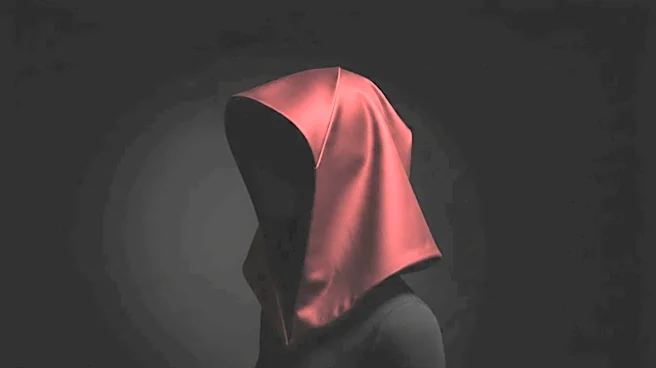
On runways and red carpets, a striking trend has taken hold, offering a dramatic alternative to bare shoulders and plunging necklines. Designers at the helm of heritage houses are championing the sculpted hood, an elegant, often severe extension of a garment
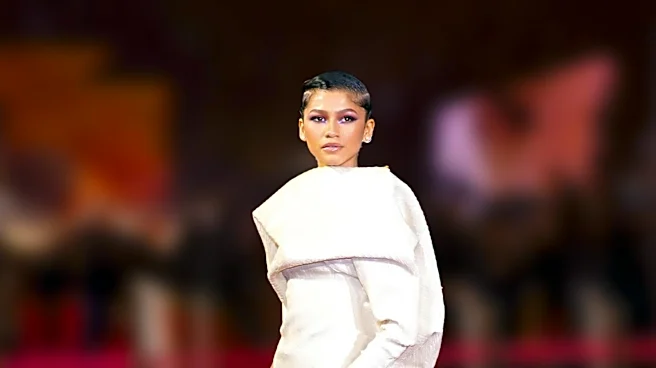
that covers the head. Anthony Vaccarello at Saint Laurent has made it a recent house signature, sending models down the runway in jersey and silk gowns with integrated hoods that create a slinky, mysterious line. Similarly, at Alaïa, Pieter Mulier continues to pay homage to the house’s archives, which include the iconic hooded gowns created for Grace Jones. These modern interpretations, seen on celebrities and in recent couture collections, feel less like a nostalgic throwback and more like a definitive statement on contemporary glamour. The look is controlled, powerful, and self-possessed, turning the wearer into a walking sculpture.
A Historical Icon, Reimagined
The hood is one of fashion’s most ancient and versatile elements. Historically, it has signified everything from monastic piety to royal formality. In medieval Europe, the chaperon was a common form of headwear for all classes, serving practical needs for warmth and protection. Over centuries, it evolved, from the structured French hoods of the 16th century Tudor court to the utilitarian hoodies of modern sportswear. In high fashion, the hooded gown has its own legendary lineage. Yves Saint Laurent himself famously created hooded looks that imbued his models with a mystical elegance. But its most powerful 20th-century incarnation came via the collaboration between designer Azzedine Alaïa and performer Grace Jones in the 1980s. Jones’s hooded ensembles—clinging, powerful, and slightly dangerous—cemented the look as a symbol of female strength and uncompromising authenticity.
The Psychology of the Silhouette
So, why this trend, and why now? To call the sculpted hood “intellectual” is to recognize its complex messaging. In an age of relentless self-exposure on social media, the hood offers a form of chic concealment. It carves out a zone of privacy, drawing attention to the face while simultaneously shielding the wearer. This act of framing feels deliberate and powerful. Unlike a hat, which is an accessory, the integrated hood makes this protection part of the garment's very structure. It suggests monasticism, mystery, and strength, all while looking incredibly glamorous. It’s a silhouette that doesn’t plead for attention but commands it through its quiet authority. This turn towards more architectural and deliberate shapes is part of a wider mood in fashion for 2026, which favors intentional, sculpted forms over effortless ease.
Couture’s Cerebral Shift
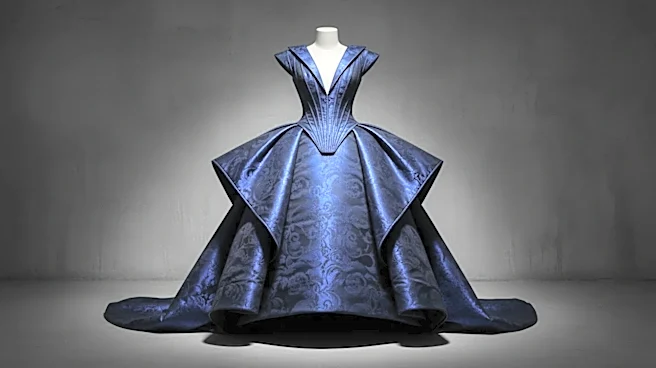
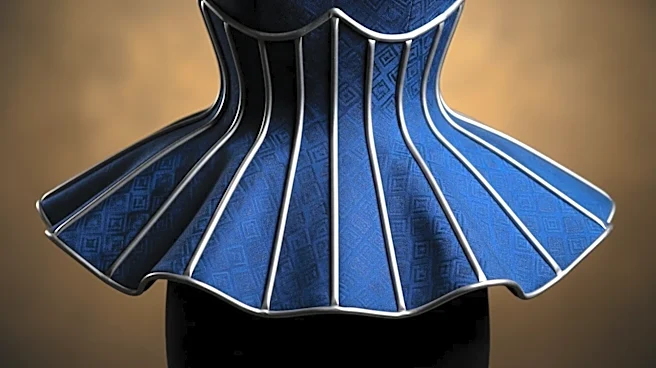
The rise of the sculpted hood points to a subtle but significant shift in what we consider luxurious and desirable. Recent couture collections have emphasized workmanship and sculptural transformation. The focus is less on overt decoration and more on the integrity of the form—how a fabric can be manipulated to create a new silhouette that is both art object and clothing. The hooded gown is the perfect vehicle for this idea. It is inherently dramatic, but its drama comes from its shape, not from sequins or embroidery. It challenges the conventional, often male-gazey, tropes of eveningwear and instead proposes a glamour that is rooted in self-possession and inner strength. It’s a look for a woman who is in control of her own narrative, who understands the power of what is revealed and what is withheld.