






The Tale of the 'Cottages'
In the 1960s, Newport's famous mansions were ghosts of the Gilded Age. While stunning, many were seen as white elephants—expensive to maintain and relics of a bygone era. Some faced the threat of demolition as the city looked to modernize. A nascent preservation
movement was just beginning to argue for their value. Today, those same mansions are the backbone of Newport's tourism economy. They are meticulously preserved, professionally managed, and welcome millions of visitors a year who marvel at their splendor. The shift is dramatic: from at-risk liabilities to priceless assets that define the city's public image and drive its primary industry.
The Sound of Rebellion
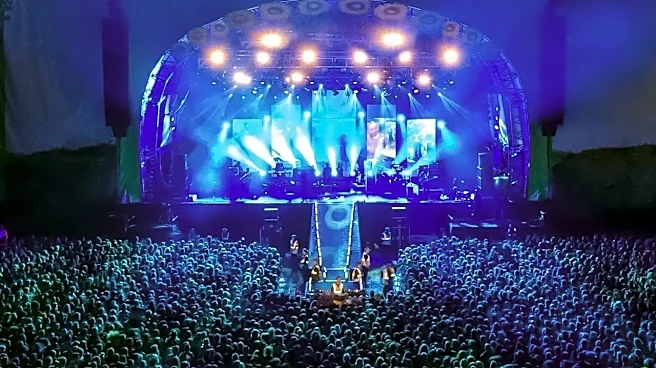
The Newport Folk Festival of the 1960s was the epicenter of American counter-culture. It was a platform for the Civil Rights movement, with artists like Joan Baez and The Freedom Singers leading protests. The most legendary moment, of course, was Bob Dylan “going electric” in 1965, an act that created a seismic rift between folk purists and a new generation of rock-influenced artists. The festival was raw, politically charged, and a reflection of a nation in turmoil. The modern Newport Folk Festival, held at Fort Adams State Park, is a world-class, sell-out event. While it still features surprise collaborations and nods to its activist roots, it is a far more organized, expensive, and polished affair. The genre has broadened to include indie rock, soul, and pop, a direct legacy of Dylan’s controversial performance. The rebellion of the 60s has evolved into the well-managed, multi-genre experience of today.
The Changing Waterfront
For much of the 20th century, Newport was a Navy town. The waterfront along Thames Street in the 1960s was gritty, dotted with dive bars catering to sailors. The downtown area faced significant challenges, with many buildings in disrepair, leading to a major redevelopment project in the mid-60s that razed and reshaped large sections of the historic core. Today, that same waterfront is a picturesque scene of high-end boutiques, galleries, and acclaimed restaurants. The Navy's presence remains an important part of the economy, but the city's face has shifted from a working military port to a global center for luxury yachting and tourism. The redevelopment, once controversial, paved the way for the pedestrian-friendly shopping districts that now attract millions in tourist revenue annually.
What Remains the Same
Despite the commercial gloss and demographic shifts, the fundamental character of Newport endures. The city still lives and breathes by the sea. The iconic Cliff Walk, the grand sweep of Ocean Drive, and the timeless allure of sailing are as central to Newport's identity now as they were then. The tension between the buttoned-up establishment and a more bohemian, artistic spirit—a defining feature of the 1960s—still exists, albeit in a different form. It's seen in the contrast between the exclusive yacht clubs and the bustling public wharves, or the historic preservation mandates and the pressures of modern development. The city remains a place of dualities, where history and progress are in constant, captivating conversation.