




The Anthem: A Nation's Collective Breath
In American sports, the national anthem is a prelude, sometimes a controversial one, but rarely the emotional climax. At the World Cup, it’s different. It's the first test of wills, a moment where an entire nation, represented by eleven players and thousands of traveling fans, takes a collective breath. Think of the 2014 World Cup in Brazil. As the host nation’s anthem, “Hino Nacional Brasileiro,” reached its instrumental break, the stadium didn’t stop. The players and the crowd, a sea of yellow, continued a cappella, roaring the second verse with a passion that shook the rafters. It was a defiant, beautiful declaration: We are here, we are one, and this is our house. The anthem isn't just a song; it's a prayer, a war cry, and a reminder of the weight
of the shirt. It’s the sound of a country’s hopes and history being channeled into the 90 minutes to come.
The Flag: More Than Just Colors
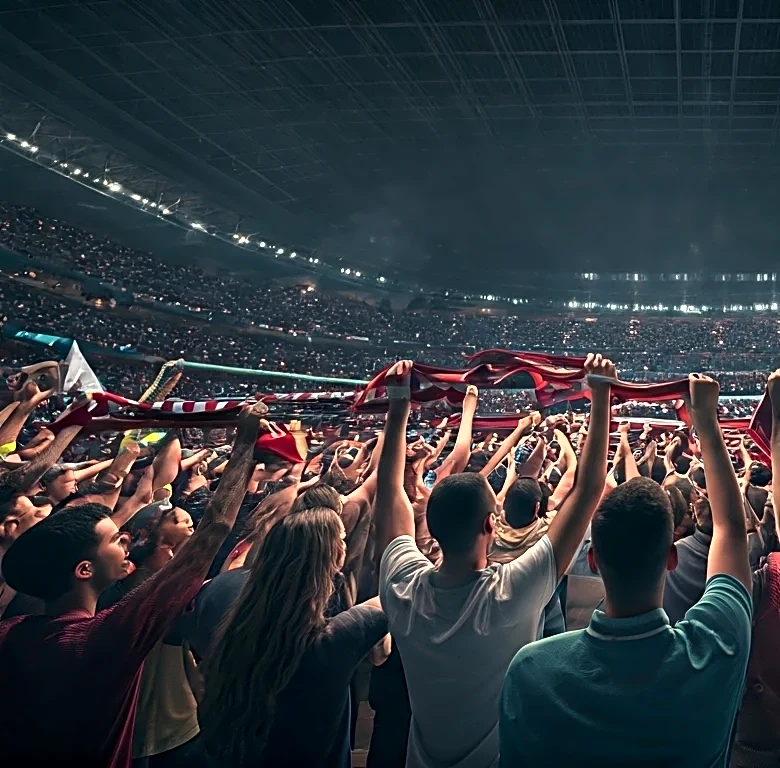
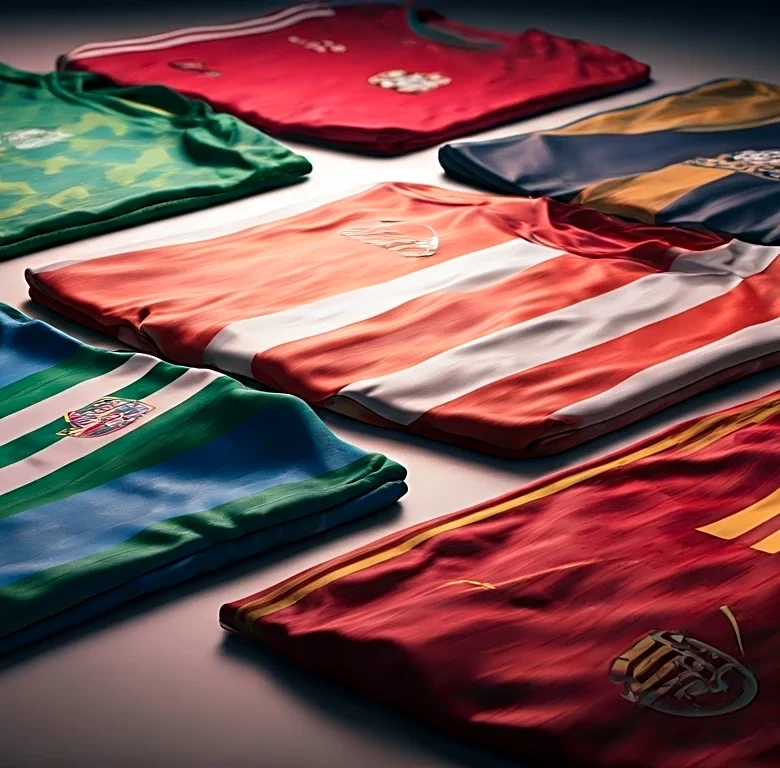
Flags are everywhere at the World Cup, and not just on the flagpoles. They’re painted on faces, worn as capes, and unfurled in massive, stadium-sized choreographed displays known as “tifos.” A simple piece of cloth becomes a powerful symbol, a visual shorthand for identity, history, and shared struggle. When you see a stand packed with the green, white, and red of Mexico or the sea of orange for the Netherlands, you’re witnessing a temporary colonization of space. Fans use their colors to turn a neutral stadium in Qatar or Russia into a home fortress. The flag is a uniform for the “12th man,” binding thousands of strangers into a single, visible tribe. It’s a way of saying, “Even thousands of miles from home, this place belongs to us.” This visual saturation creates an atmosphere of belonging that fuels both players and supporters, making the game feel like more than just a game—it’s a contest of nations.
The Chant: The Rhythm of the Tribe
If the anthem is the formal script, the chants are the living, breathing folklore of the fans. They are the organic soundtrack of the tournament, evolving match by match. In 2022, Argentina’s run to the title was powered by a single song: “Muchachos.” It wasn’t a generic cheer; it was a narrative. The lyrics referenced past heartbreaks, honored the legendary Diego Maradona, and anointed Lionel Messi as his successor. It became the story of their tournament, sung in the streets of Buenos Aires and the stadiums of Doha. Chants can also be simple but incredibly powerful. Iceland’s iconic “Viking Clap” at Euro 2016, which they brought to the World Cup, is a perfect example—a slow, menacing, unified rhythm that is both a tribute to the team and a primal intimidation of the opponent. These chants are the oral history of a fanbase, filled with inside jokes, regional pride, and a deep, shared passion that can’t be manufactured.
The Rituals of Belonging
So, why do they matter? Because anthems, flags, and chants are the essential rituals that transform a sporting event into a global cultural phenomenon. They provide the emotional architecture for the drama on the field. In a world that is increasingly globalized and complex, the World Cup offers a simple, powerful story: it’s us against them. These symbols are the tools we use to define “us.” They give fans a role to play, a way to participate directly in the fortunes of their team. They tap into a fundamental human need for community, identity, and shared purpose. The game itself is just a framework of rules and skills. It’s the culture built around it—the songs, the colors, the collective roar—that fills it with meaning and makes grown men and women cry over a ball crossing a line.