







1. Drowning Dialogue in the Mix
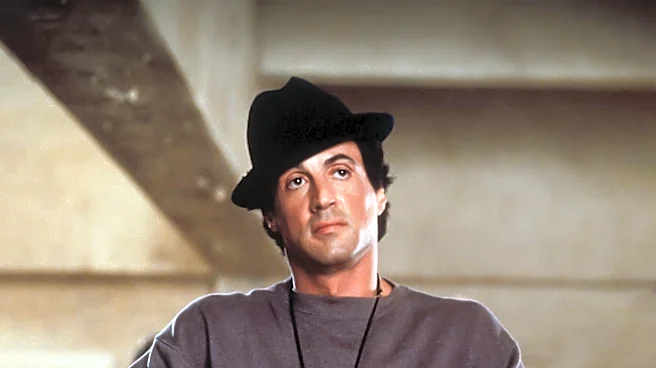
A common complaint about modern blockbusters is that you can't understand what anyone is saying. Dialogue often gets buried under a tidal wave of music and explosive sound effects. Now imagine Rocky with this problem. The quiet, mumbling vulnerability
of Sylvester Stallone's performance would be lost. His tentative conversations with Adrian, his heartfelt pleas to Mickey—these scenes are the soul of the film. They rely on the audience hanging on every word. Rocky’s sound mix prioritizes the human element, ensuring that the quietest character moments land with as much force as a punch from Apollo Creed. In a modern mix, those crucial lines might be treated as texture instead of text, sacrificing emotional clarity for auditory chaos.
2. Non-Stop, Overbearing Music
Bill Conti’s score for Rocky is one of the most famous in film history, but its power comes from its strategic use. The iconic anthem, "Gonna Fly Now," doesn't just play constantly in the background. It builds. Early in his training, the music is slower, almost hesitant. It only swells into that triumphant, full-throated theme when Rocky has earned it, creating an unforgettable emotional peak. Many modern films make the mistake of having a wall-to-wall score that tells you how to feel in every single scene. This musical hand-holding leaves no room for ambiguity or quiet contemplation. If Rocky had done this, the raw, documentary-style feel of his life in Philadelphia would have been replaced by a synthetic, emotionally manipulative gloss.
3. Abusing the Subwoofer (LFE Overload)
The Low-Frequency Effects (LFE) channel, or the subwoofer, is a powerful tool for adding physical impact to sound. Think of the deep rumble of an explosion or an earthquake. The mistake is using it for everything. In many contemporary action movies, the bass is cranked so high that even a closing car door rattles the theater seats. This constant barrage numbs the audience. In Rocky, impact is earned. The punches in the final fight land with a sickening, realistic thud, but the film doesn't try to make you feel every footstep with a seismic boom. A hypothetical modern Rocky might have every punch in the meat locker generate a bass drop, turning a visceral training moment into a distracting, gimmicky effect that feels more like a video game than a gritty drama.
4. Artificially 'Crisp' Foley
Foley is the art of creating everyday sound effects—footsteps, rustling clothes, clinking glasses—in post-production. When done well, it’s invisible. When overdone, it’s a huge distraction. This mistake is hyper-realism gone wrong, where every tiny sound is amplified to an unnatural degree. The sound of Rocky is intentionally gritty and imperfect. You hear the ambient noise of the city, the echo of the gym, the muffled sounds of a cheap apartment. These elements ground the film in a specific time and place. If every scrape of Rocky's shoes or rustle of his sweatshirt were rendered with pristine, isolated clarity, it would pull you out of the story. The film's reality would feel constructed and fake, not lived-in.
5. A Complete Lack of Dynamic Range
Dynamic range is the difference between the quietest sound and the loudest sound in a film. Rocky uses this to brilliant effect. The quiet, lonely moments of Rocky's life make the roar of the crowd and the ringing of the final bell feel monumental. This contrast is essential for building tension and creating emotional release. Many modern films are mixed to be loud from start to finish, with even quiet dialogue scenes pushed to a high volume. When everything is loud, nothing is impactful. It’s the audio equivalent of writing in all caps. Had Rocky been mixed this way, the final fight wouldn't feel like a climax; it would just be more noise in a sea of unending loudness, robbing the ending of its power.
6. Generic Sound Effects and Atmospheres
Great sound design creates a unique world. The sounds of 1970s Philadelphia—the passing trains, the street vendors, the specific echo of the boxing gym—are characters in Rocky. They establish the environment and make Rocky's world feel authentic. A common shortcut today is to rely on generic, pre-packaged sound libraries that make one city sound like any other and one punch sound like it came from a sci-fi movie. Imagine if the thuds of Rocky hitting the sides of beef were replaced with a generic digital 'punch' sound effect. The scene would lose its specific, visceral power. The film's unique identity is tied to its bespoke, grounded soundscape; sanitizing it with generic effects would make it feel hollow and instantly forgettable.