










First, Pick a Side (No, It’s Not Cheating)
The hardest part of joining the party is feeling like you don’t have a horse in the race. So, pick one. For the newly initiated, loyalty is fluid. Did you study abroad in Spain? Your team is La Furia Roja. Does your ancestry trace back to Italy? Forza
Azzurri! Do you just love the underdog vibe and cherry-red checkerboard of Croatia? Go for it. You can even choose based on a star player whose vibe you like (hello, Kylian Mbappé) or a team whose jersey—or “kit,” as it’s properly called—is undeniably stylish. The point isn’t to fake a lifelong allegiance; it’s to give yourself a narrative to follow and a reason to feel the soaring highs and crushing lows. This is your temporary passport to emotional investment.
Get the Gear (Or at Least the Colors)
You don’t need to drop $150 on an authentic jersey to belong, but understanding the uniform is key. The simplest entry point is color. If you’ve adopted the Netherlands, wear something orange. Following Brazil? Yellow and green are your new best friends. This visual solidarity is a powerful, unspoken signal that you’re part of the tribe. If you do want to level up, consider a team scarf. It’s cheaper than a jersey, iconic, and has the practical benefit of being something to nervously twist during a penalty shootout or wave triumphantly after a goal. The jersey itself is the ultimate statement, a declaration of identity that connects you to millions of others around the globe.
Master the Art of the Watch Party
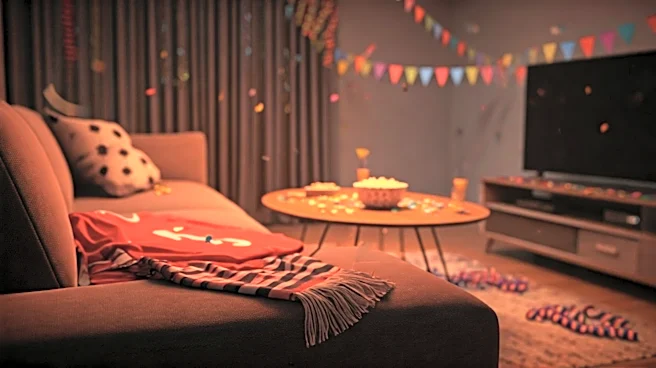
Soccer is a communal sport, and its biggest moments are meant to be shared. Find a local pub that’s showing the games; the atmosphere of dozens of people gasping and cheering in unison is half the fun. Even better, host your own watch party. The rules are simple: have the game on a big screen, provide plenty of seating, and encourage guests to come representing their chosen (or assigned) teams. The real pro move is to theme the snacks and drinks. If England is playing Germany, put out some fish and chips alongside soft pretzels and bratwurst. It’s a simple, engaging way to elevate the experience from just “watching TV” to participating in a cultural event.
Learn Just Enough of the Lingo
You don’t need to understand the nuance of a 4-3-3 formation versus a 3-5-2. But knowing a few key terms will help you follow the flow of conversation and the commentators’ excitement. “Nil-nil” is a 0-0 score. The “box” is the big rectangle in front of the goal where most of the fouls that lead to penalty kicks happen. A “brace” is when a player scores two goals. A “clean sheet” is when a team doesn’t concede any goals. And perhaps most importantly, when a player fakes an injury with theatrical flair, you can knowingly sigh and mutter, “Such a dive.” That alone will make you sound like a seasoned veteran.
Know When to Pay Attention
A soccer match is 90 minutes of constant motion, but not all of it is high drama. The rhythm of the game is a slow-burn tension that explodes in moments of brilliance or disaster. You can chat with your friends during the midfield back-and-forth, but when a team gets a “counter-attack” (a fast break) or a “set piece” (a free kick or corner kick near the goal), all eyes should be on the screen. These are the moments when games are won and lost. Learning to feel that ebb and flow of tension is the final step in your transformation. You’ll know you’ve made it when you feel a collective intake of breath in the room and your own heart starts to pound, not because you’re supposed to, but because you’re truly in it.