




More Room to Scream and Scheme
The most immediate advantage of television is time. A horror film has about 90 to 120 minutes to introduce characters, establish a threat, execute a series of scares, and resolve the plot. It’s a sprint. A television series, on the other hand, is a marathon.
With eight to ten hours per season, creators can do what a movie never could: build a sprawling universe. Franchises like "Chucky" have used this to their advantage, weaving in decades of film lore while introducing new characters and subplots. The series not only continues the story from the films but also delves into the killer doll's origin story, something that would feel rushed in a movie sequel. This expanded runtime allows for more intricate mythologies, whether it's exploring the haunted antique trade in "Friday the 13th: The Series" or the complex hell dimensions of "Hellraiser." It turns a simple premise into a rich, explorable world that keeps viewers coming back.
Getting to Know the Monster (and the Victims)
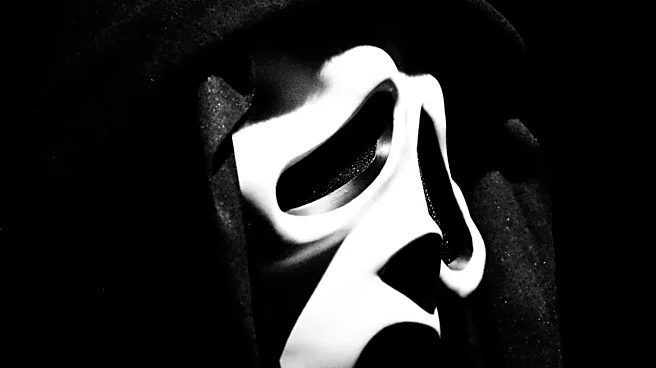
Long-form storytelling doesn’t just benefit the world; it transforms the characters. In a typical slasher film, many characters are simply fodder, designed for a single, memorable demise. A series has the space to make you care about them first. Shows like MTV's "Scream" and "The Purge" dedicate significant time to the teenage melodrama and social dynamics that make the eventual violence more impactful. When you’ve spent six hours with a character, their death means more than a cheap jump scare. This also applies to the villains. While films present monsters like Hannibal Lecter or Norman Bates as terrifying forces, shows like "Hannibal" and "Bates Motel" were able to explore their complex psychologies and origins, making them disturbingly empathetic. The format allows villains to be more than just a mask and a weapon; they can be fully realized characters whose motivations are unraveled over time.
The Economics of Perpetual Fear
Beyond the creative benefits, the move to TV is a savvy business decision. Horror has always been one of Hollywood's most profitable genres due to its potential for high returns on low budgets. In the age of streaming, established IP is king. A recognizable name like "Scream" or "Child's Play" is far less risky than an original concept. These shows are designed to attract and retain subscribers on platforms locked in a fierce battle for content. A successful series keeps a franchise in the cultural conversation between blockbuster film releases, functioning as both a continuation and an advertisement. It creates a steady stream of revenue through licensing and merchandise, and it builds a loyal, engaged fanbase that will show up for the next movie, series, or spin-off. This model creates a perpetual motion machine of horror content, ensuring that icons never truly die.
A Lower-Risk Creative Playground
A TV series can also serve as a creative laboratory for a franchise. It's a space to test out new ideas, tones, and characters without the massive financial gamble of a feature film. Don Mancini, the creator of Chucky, deliberately ended his last film on several cliffhangers, knowing a TV show would be the perfect medium to explore those threads. The series format allowed him to mix horror with dark, absurdist humor and address social commentary in a way that might have alienated a broad cinema audience. If a new direction proves popular, it can be incorporated into future films. If it fails, the damage is contained to a single season, rather than tarnishing the entire brand at the box office. This flexibility allows horror franchises to evolve and adapt, preventing the staleness that often plagues long-running movie series.