







The Fabric and Breathability Test
Not all cotton is created equal, especially when temperatures soar. The key to summer comfort is a fabric's ability to breathe, which comes down to its weight and weave. In the store, start by simply feeling the material. Is it light and airy, or does
it feel dense and heavy? Hold a single layer up to a light. The more light that passes through, the more breathable the weave. Fabrics like cotton voile, lawn, and gauze are exceptionally lightweight and have an open weave, making them ideal for extreme heat. Seersucker, with its signature puckered texture, is another fantastic choice because it literally lifts the fabric off your skin, promoting constant airflow. On the other hand, a heavy, tight cotton poplin might feel crisp, but it will trap more heat. Don't just trust the tag that says "100% Cotton"; assess the weave yourself to understand how it will perform on a humid afternoon.
The Movement and Comfort Audit
A dress that feels fine when you're standing still in an air-conditioned fitting room can become a different beast after a ten-minute walk. Your goal is to simulate a day's worth of movement. Bend, squat, and walk around the fitting room. Does the fabric pull or constrict? For sundresses, pay close attention to the armholes and neckline—are they loose enough to allow air to circulate, or do they feel restrictive? A-line or tiered styles that flow away from the body are generally more comfortable in the heat than body-con silhouettes that can cling and show sweat. Also, consider how the fabric interacts with moisture. Cotton is absorbent, which can be a drawback in high humidity as it can become heavy and slow to dry. A looser fit helps mitigate this by allowing sweat to evaporate more quickly.
The Transparency Check
A breezy, lightweight cotton sundress can have a major downside: sheerness. What looks perfectly opaque under the soft, diffuse lighting of a store can become surprisingly transparent in direct sunlight. To test this, use your smartphone. Turn on the flashlight and place it behind a single layer of the fabric. This mimics the effect of being backlit by the sun and will instantly reveal if the dress is see-through. Pay special attention to lighter colors like white, cream, and pastels, as they are far more likely to be sheer than their darker counterparts. If you love a dress that proves a bit too transparent, ask yourself if you're willing to wear a slip underneath, which can sometimes defeat the purpose of a lightweight summer garment.
The Wrinkle and Recovery Trial
Cotton wrinkles—it's just a fact of life. But some cotton fabrics are more prone to deep, stubborn creases than others. Before you buy, perform a simple scrunch test. Grab a handful of the skirt, clench it in your fist for about 10 seconds, and then release it. Does the fabric spring back with minimal creasing, or does it look like a crumpled napkin? Fabrics like seersucker are naturally wrinkle-resistant due to their puckered weave. While linen is famous for its cooling properties, it wrinkles notoriously. A cotton-linen blend can sometimes offer a good compromise. Assessing wrinkle recovery helps you understand how polished the dress will look after an hour of sitting at a cafe or in a car.
The Color and Pattern Consideration
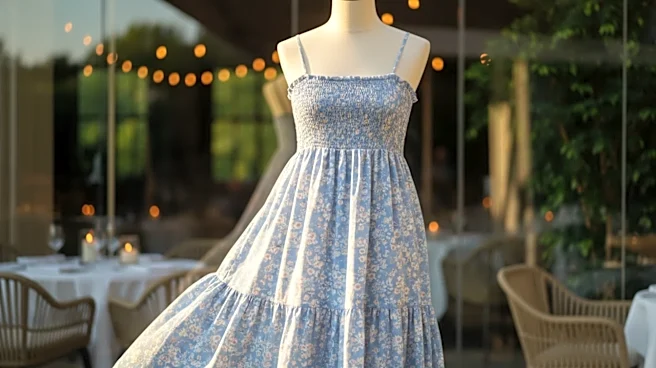
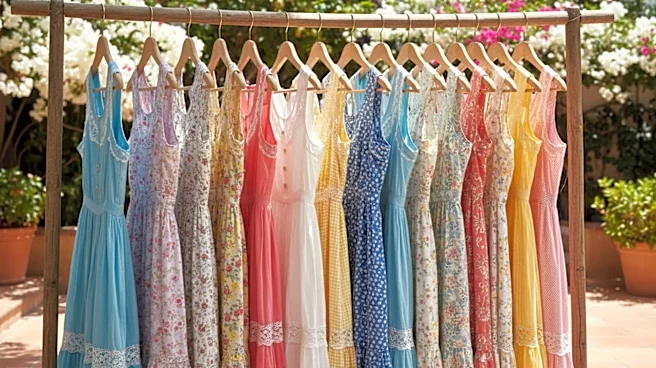
Your choice of color and pattern does more than just reflect your personal style; it also impacts your physical comfort. It’s a well-known principle that light colors reflect sunlight and heat, while dark colors absorb it, making you feel warmer. For peak summer, whites, beiges, and pastels are a smarter choice than black or navy. Furthermore, busy patterns, like ditsy florals or abstract prints, can be incredibly practical. They are excellent at camouflaging minor sweat marks or the occasional small spill, helping you look fresh and put-together throughout the day, even when the weather is working against you.