


The Science of Light vs. Water
On a clear night, a lighting designer’s world is one of precision. Beams of light are sharp, colors are distinct, and programmed patterns hit the stage exactly as planned. But fog changes the fundamental physics of the job. Fog is essentially a low-lying
cloud of microscopic water droplets. When a beam of light hits these particles, it scatters in countless directions. Instead of a crisp, defined ray, you get a diffuse, soft glow. Sharp lines blur, intricate patterns projected by gobos become fuzzy, and the overall brightness diminishes as the light is absorbed and dispersed. For a meticulously planned show, this can be a disaster, turning a dynamic lightscape into a soupy, undefined mess.
The Outside Lands Problem: Unpredictable by Nature
Unlike an indoor arena where designers use haze machines to make light beams visible, the fog at Outside Lands is a force of nature. It's unpredictable and uncontrollable. A set might begin on a clear evening, only for a dense bank of fog to roll in halfway through, completely altering the visual environment. This volatility makes pre-programmed, time-coded light shows incredibly risky. A sequence designed for clarity can instantly become muted and ineffective. The festival's location in Golden Gate Park, nestled against the Pacific, makes it prime real estate for this famously thick San Francisco fog, presenting a recurring challenge that designers for other major U.S. festivals rarely face with such consistency.
From Problem to Pivot: The Designer's Toolkit
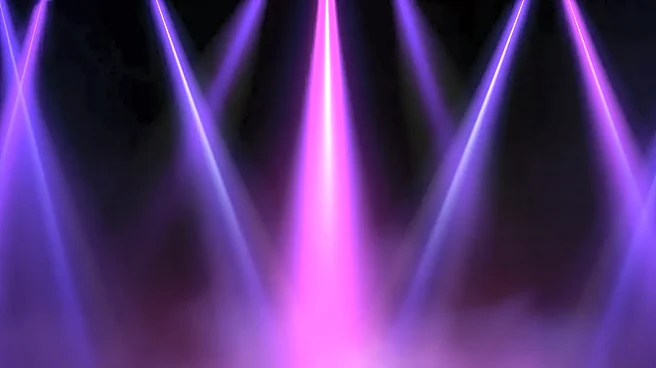
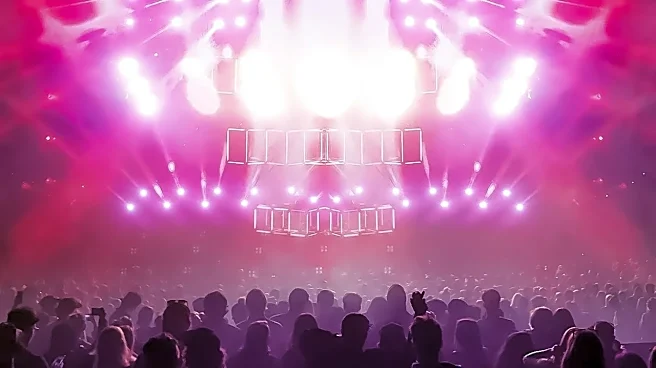
So, how do they fight back? They don't—they adapt. Knowing the fog is a likely variable, lighting designers for Outside Lands build their plans around it. This often means favoring raw power and atmospheric effects over delicate patterns. They might use fixtures with higher intensity to punch through the haze or lean on bold, saturated color washes that can stain the fog itself. Lasers and tight-beam moving lights become essential tools. These fixtures are so concentrated that even when scattered by fog, they create stunningly visible “tunnels” and sheets of light in mid-air, an effect that is far less impactful on a clear night. The key is shifting from lighting the performers to lighting the air itself.
Embracing the Fog: A Canvas in the Sky
Here’s where the magic happens: the most innovative designers don't just mitigate the fog, they leverage it. The fog becomes a massive, three-dimensional canvas. Those water particles that scatter light also catch it, making the air itself glow. Designers can create what’s known as “air architecture,” filling the vast vertical space above the crowd with luminous, shifting sculptures of light. Reviews from past festivals frequently praise the lighting crews for turning foggy nights into a visual asset, creating mesmerizing effects for headliners. Instead of a bug, the fog becomes a feature—a natural, large-scale haze machine that provides a texture and depth that manufactured haze can’t replicate. This turns the entire festival grounds into an immersive, ethereal environment where the light show extends far beyond the stage.