
The Tunnel as the New Runway
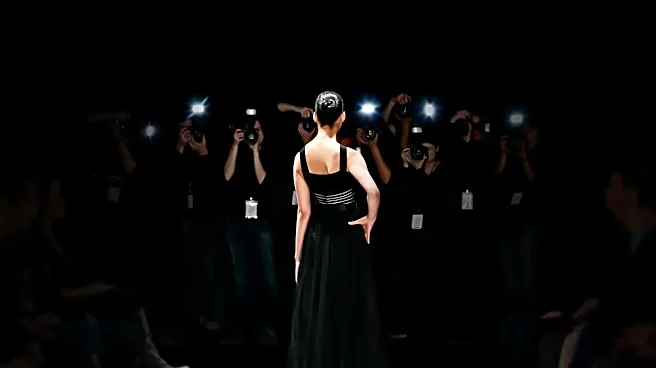
Forget the red carpet; the new center of fashion is a concrete tunnel in the bowels of a basketball arena. For years, the NBA's pre-game “tunnel walk” has been a spectacle, a place for male athletes to showcase their style. Now, the WNBA has claimed that
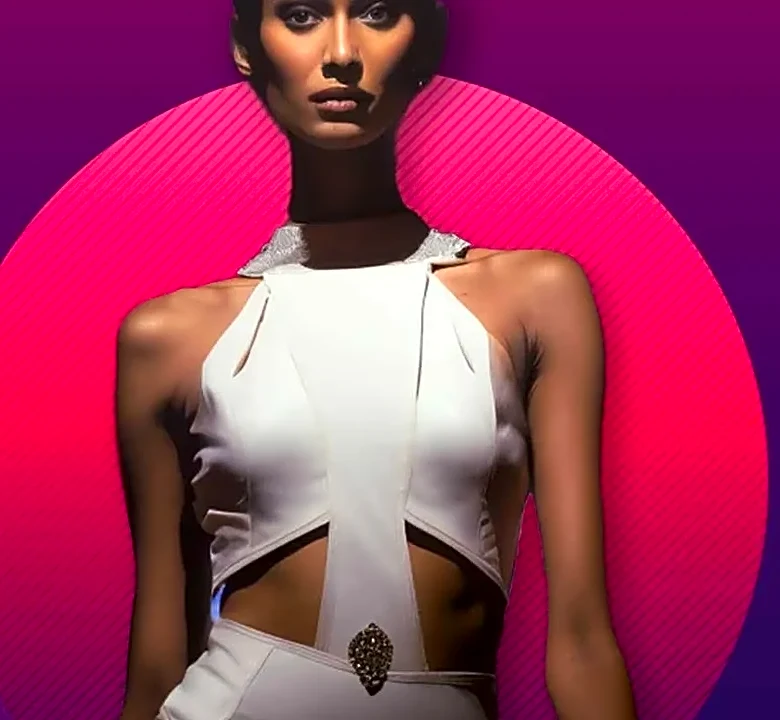
space, transforming it into a high-fashion runway watched by millions. Accounts like LeagueFits on Instagram meticulously document every outfit, turning arrivals into a sport of their own. Players, once seen only in uniform, are now using this platform to express their individuality before the game even starts. All-Star weekend, in particular, has become the league's unofficial fashion week, where custom looks from designers like Alexander Wang, Marni, and Sergio Hudson are debuted. It's a carefully orchestrated show where every detail matters, from a Louis Vuitton bag to a pair of Versace pumps.
A League of Style Icons
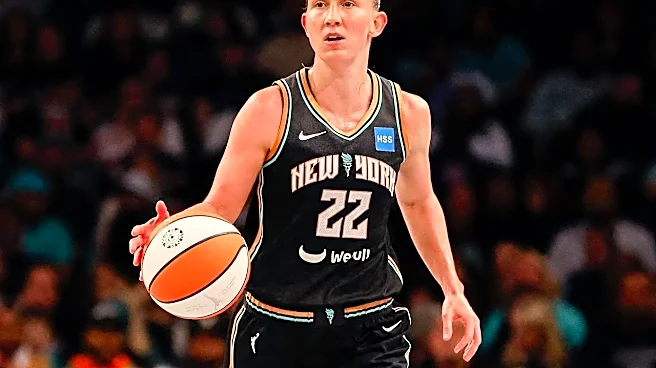
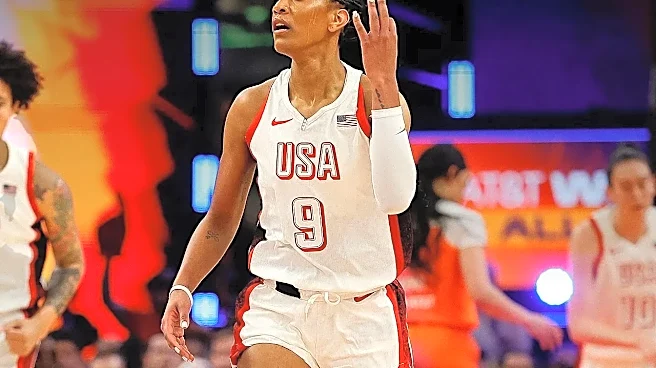
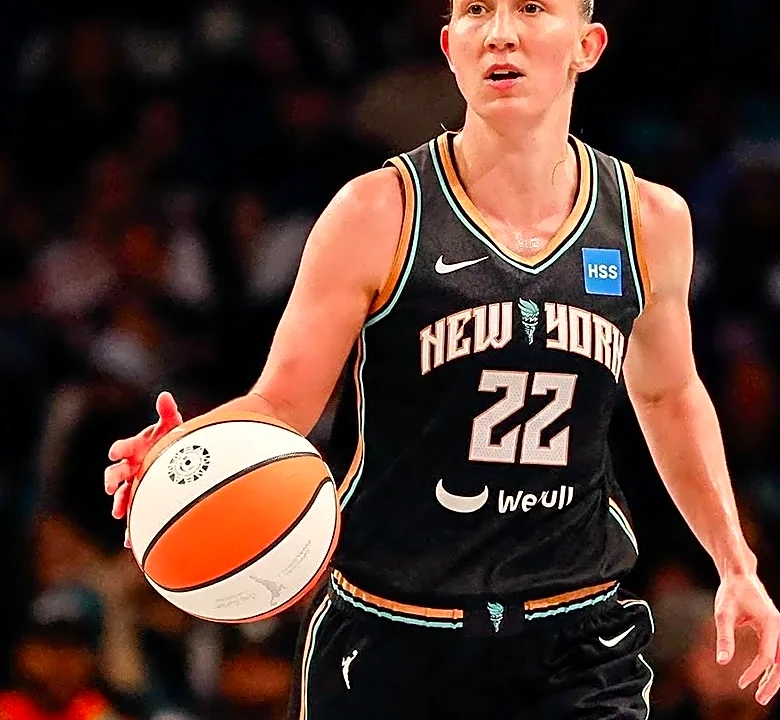
This fashion renaissance is driven by a new generation of stars who are as comfortable in high fashion as they are on the court. Veterans like Skylar Diggins-Smith have been setting trends for years, known for a classic, professional style that mixes tailored suits with leather skirts. Two-time MVP A'ja Wilson has become a force with stunning monochromatic looks and killer double-denim sets from brands like Mugler. And you can’t talk about WNBA style without mentioning Angel Reese, the “Bayou Barbie,” whose versatile tunnel looks and red-carpet appearances have made her a bona fide fashion muse. The influx of new talent has only amplified this trend. Rookies like Caitlin Clark and Cameron Brink have brought massive new audiences to the league, and with them, a new level of interest in what players wear off the court. Clark, who once favored sweatpants, now arrives in Prada and Armani, while Brink's model-like stature is often highlighted in sleek dresses and knee-high boots.
More Than Just an Outfit
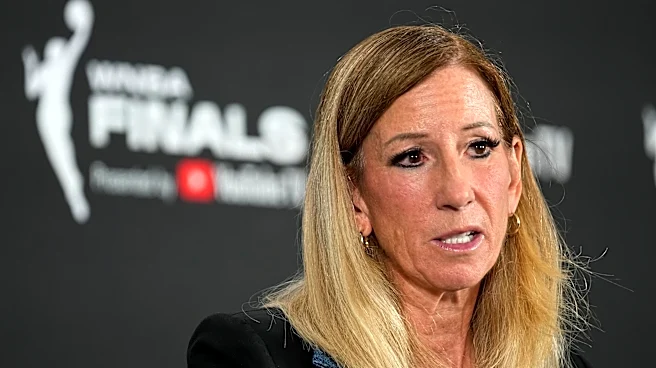
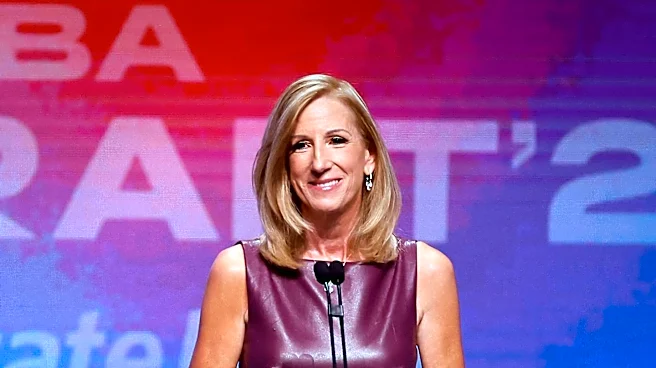
This sartorial shift is about much more than just clothes; it’s a powerful statement about identity, empowerment, and business. For decades, female athletes were marketed with a narrow focus on heteronormative appeal; the league even held makeup classes for rookies. Today, players are free to express their full identities, celebrating everything from androgynous swag to unapologetic femininity. Players are using fashion to connect with their heritage, like Kiki Iriafen, who wore a dress by a Nigerian designer for the WNBA draft to honor her culture. This newfound visibility is also a savvy business move. With WNBA salaries still lagging behind their male counterparts, fashion provides a crucial avenue for players to build personal brands and secure lucrative endorsement deals with high-end labels like Coach, Louis Vuitton, and Chanel. As WNBA Commissioner Cathy Engelbert noted, these athletes sit at the intersection of sport, culture, and fashion, and they are growing their brands globally.
The Evolution of Empowerment
The journey here wasn't overnight. WNBA legend Sheryl Swoopes recalls that when she played, there were no cameras in the tunnel; players just wore a t-shirt and shorts. The league's early days were marked by a conservative dress code, a stark contrast to today's creative freedom. This evolution reflects the league's broader cultural ascent. The players have a long history of using their platform for activism, from wearing shirts to support political candidates to making powerful statements against police violence. The pre-game walk is an extension of that empowerment—a declaration that they are more than just athletes. It's a visual representation of the league's growing influence, proving that what happens in the tunnel is now an inseparable part of the WNBA story, driving culture forward one stylish arrival at a time.