

The enduring allure of the Art Deco era—its glamour, optimism, and geometric grace—can feel a world away. But translating its signature style into a modern, wearable look is easier than you think. It's not about costume, but about inspiration.
1. The Liberated Silhouette
The single
most defining shift of the Art Deco period was the silhouette. After centuries of restrictive corsets, fashion embraced a looser, more liberated form that prized movement and comfort. The look was defined by the 'garçonne' or boyish shape—a straight, tubular dress that de-emphasized the waist and bust. Today, this translates beautifully into modern dressing. Look for drop-waist dresses, which have their waistline detail at the hip rather than the middle. A simple sheath or a relaxed-fit silk or satin slip dress channels this aesthetic perfectly. The key is to avoid anything too form-fitting. The beauty of the Art Deco silhouette is how the fabric drapes and moves with the body, rather than constricting it. A modern interpretation might pair a simple, knee-length shift dress with contemporary shoes for a look that's comfortable, elegant, and hints at vintage without feeling dated.
2. Striking Geometric Patterns
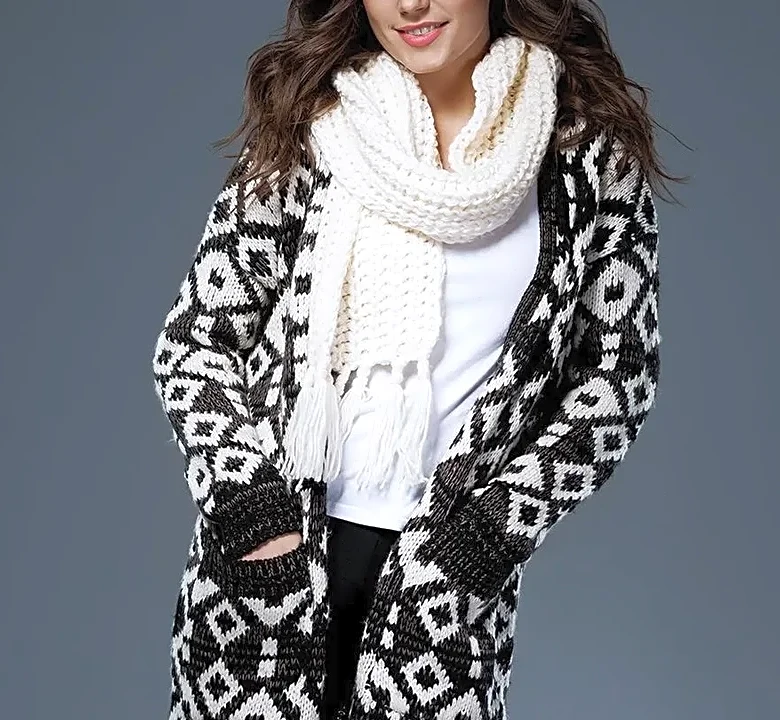
Art Deco is synonymous with bold, geometric design. Inspired by Cubism, industrial machinery, and archaeological discoveries in Egypt and Mesoamerica, designers filled the era with sharp, repeating motifs. Think of the iconic architectural lines of the Chrysler Building—that's the same energy. Common patterns include chevrons, zig-zags, sunbursts, fans, and stepped forms. Wearing these patterns head-to-toe can feel overwhelming, so the modern approach is to choose one statement piece. A single blouse with a sunburst pattern, a scarf with a chevron print, or a skirt with a geometric black-and-white design can become the focal point of an outfit. High contrast, especially black and white or jewel tones paired with metallics, is a hallmark of the style. By keeping the rest of your outfit simple and clean, you allow the Deco pattern to shine as a deliberate, artistic choice.
3. Luxurious Fabrics and Embellishments
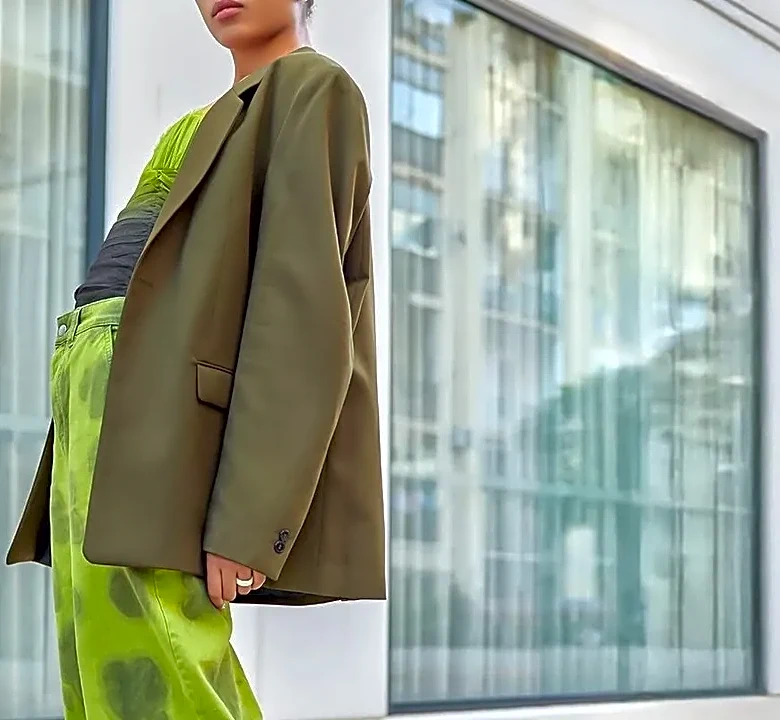
The Roaring Twenties were a time of opulence, and the fabrics reflected that. Eveningwear, in particular, was a playground for luxurious materials that caught the light on the dance floor. Designers favored rich velvets, gleaming silks, shimmery satins, and metallic lamé. Intricate surface decoration was key, with dresses lavishly covered in beading, sequins, and embroidery, often arranged in those signature geometric patterns. To make this work today, focus on texture. A velvet blazer or a pair of silk wide-leg trousers can add a touch of Deco luxury to an otherwise simple outfit. For evening, a beaded clutch or a top with subtle sequin detailing nods to the era's glamour without requiring a full-on flapper dress. Fringe is another iconic embellishment from the period, and a fringed hem on a skirt or jacket can add a playful, modern sense of movement.
4. Statement-Making Accessories
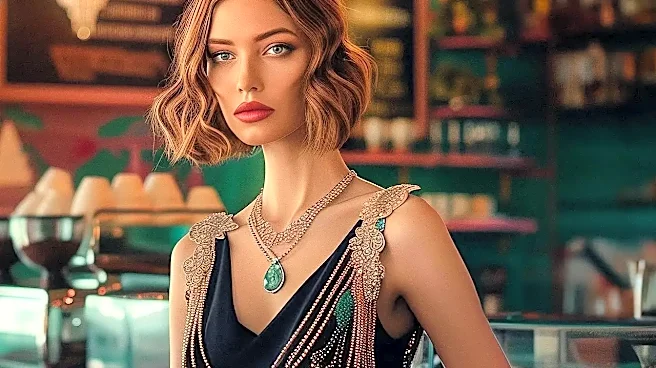
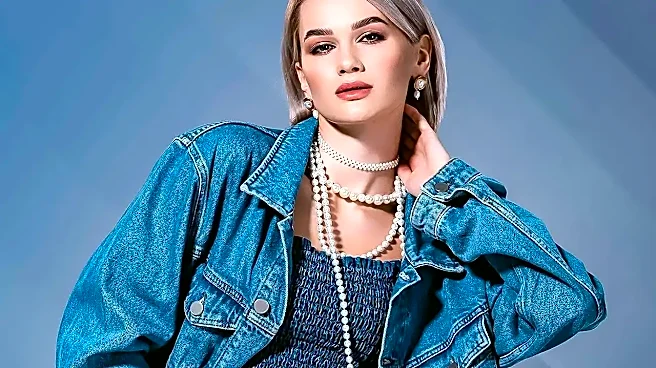
Accessories were essential for completing the Art Deco look and are perhaps the easiest way to inject its spirit into your wardrobe today. Jewelry was bold, geometric, and often high-contrast, pairing diamonds with black onyx or colorful gemstones like emeralds and sapphires. Long pendant necklaces, called sautoirs, were hugely popular and work beautifully to elongate the straight silhouette of a shift dress. Look for drop earrings with linear designs, stacked narrow bangles, or large, angular cocktail rings. Beyond jewelry, the cloche hat, worn low over the brow, was the signature headwear. T-strap shoes were the go-to footwear, and a small, structured, or beaded handbag was the perfect finishing touch. Choosing just one or two of these distinctive accessories is enough to give any outfit an instant and sophisticated Art Deco flavor.