


More Than Just an Accessory
For decades, costumes have been the hallmark of dedicated fandom. But a significant shift is underway on the convention floor. A growing number of fans are dedicating their passion not to a full character costume, but to a single, iconic object. It’s
a subculture where the prop is the point. This isn't about having a plastic toy to complete a cosplay; it's about owning a meticulously crafted, screen-accurate piece of a fictional world. Whether it’s a bounty hunter’s weapon, a wizard’s wand, or a time traveler's tool, the object becomes the centerpiece of fan identity. The costume is secondary, or may not even be present at all. The focus is on the craftsmanship, the story the object tells, and the personal connection the fan has to it.
The Rise of the Maker Fan
This trend isn't happening in a vacuum. It’s being fueled by a technological revolution in the form of affordable 3D printing. Just a few years ago, acquiring a high-quality prop meant one of two things: spending hundreds or thousands on an official replica from a company like Factory Entertainment, or possessing the rare artisan skills to craft one from scratch. Today, the barrier to entry has plummeted. Fan creators now design and share 3D model files online for free, allowing anyone with a consumer-grade printer to create a hyper-detailed replica of almost any prop imaginable. This has democratized the hobby, turning passive consumers into active creators and engineers of their own fandom. Communities have sprung up to share printing tips, finishing techniques, and electronic configurations, creating a global, collaborative workshop.
A Shield, a Sickle, and a Story
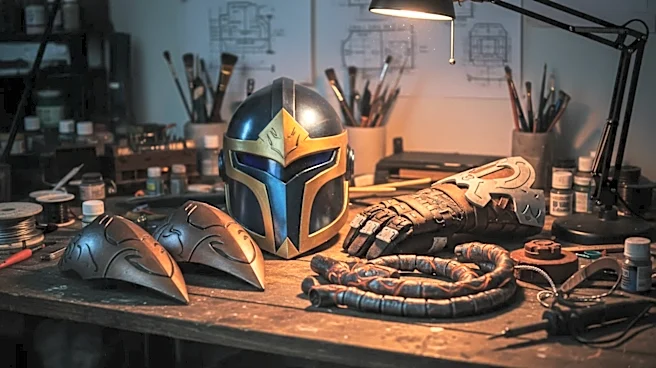
Walk the floor at this year’s Comic-Con and you’ll see the results. Alongside the official, high-end prop replicas of Star Trek’s Latinum bars or the new Lobo Sickle on display, you’ll see fan-made masterpieces that are just as impressive. One fan might be showing off their custom-painted and weathered Mandalorian helmet, while another has perfected the weight and balance of Captain America's shield. The props themselves become conversation starters, with fans trading stories not about the movie, but about their build process: the type of filament used, the challenge of the paint job, and the thrill of finally getting the internal lighting to work. The object is no longer just a reference to a story; it holds a new story, that of its own creation.
A Community Forged in Plastic
This obsession with objects has, ironically, fostered a deeply human connection. Prop-specific fandom is intensely social. At events like Comic-Con, it’s common to see informal meetups of fans dedicated to a single prop. Dozens of Ghostbusters might gather to compare the nuances of their scratch-built proton packs, or a group of Star Wars fans will line up their lightsabers to debate the merits of different soundboard manufacturers. These gatherings are more than just show-and-tell; they are a physical manifestation of online communities where knowledge is shared, skills are honed, and friendships are formed over a shared love for getting the details just right. The prop becomes a key, unlocking entry into a dedicated and passionate tribe.