


A Rebellion Against Minimalism
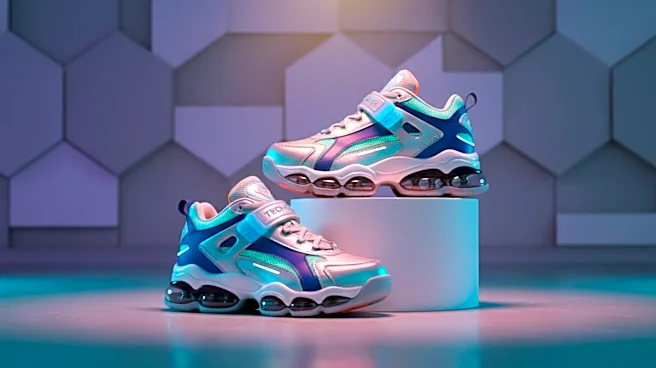
Fashion often moves in cycles of rebellion. After a decade defined by the clean, simple lines of sneakers that could be worn with anything from jeans to a suit, there's a collective craving for something more expressive. The Y2K era of basketball footwear
was anything but subtle. It was a time of design experimentation, where shoes were treated like concept cars, boasting visible technology and futuristic shapes. Think of the aggressive, spring-loaded columns of the Nike Shox series or the car-inspired, molded shell of the adidas The Kobe. These designs were a statement, prioritizing personality and a forward-looking aesthetic over the quiet versatility that came to define the 2010s. Today, that maximalist energy feels fresh again, a bold counterpoint to years of understated footwear.
The Power of Hardwood Icons
You can't separate the shoes from the legends who wore them. The early 2000s were a golden age for NBA personalities whose influence stretched far beyond the court. Allen Iverson, with his Reebok Question and Answer series, wasn't just a phenomenal player; he was a cultural force who brought hip-hop style to the forefront of the league. The Reebok Question, his very first signature shoe, became an instant classic. Then there was Vince Carter, whose electrifying dunks in the Nike Shox BB4 made the shoes synonymous with otherworldly athleticism. The return of his 'Olympic' colorway, famously worn when he dunked over a 7'2" opponent in the 2000 Sydney Olympics, brings back one of basketball's most iconic moments. These shoes are more than leather and rubber; they're wearable pieces of sports history, imbued with the stories of the players who made them famous.
Nostalgia's Twenty-Year Clock
There’s a well-documented 20-year cycle in fashion, where trends from two decades prior are rediscovered and reinterpreted by a new generation. We’re right on schedule for an early-2000s revival. For millennials who grew up watching Iverson cross up Michael Jordan or trying to jump higher in their own Shox, seeing these sneakers return is a potent dose of nostalgia. For Gen Z, who may be discovering this era for the first time, these designs feel like a fresh well of vintage inspiration. Brands are keenly aware of this dynamic, strategically opening their vaults to re-release these classic models, now dubbed "retros." These reissues often come with modern materials but preserve the original aesthetic, allowing older fans to relive a memory and newer ones to buy into a legacy.
From the Court to the Runway
The line between streetwear and high fashion has all but vanished, and the unique, often polarizing designs of the Y2K era fit perfectly into today's eclectic fashion landscape. The chunky, 'dad shoe' trend of the late 2010s primed the market for even more audacious silhouettes. Now, models once considered controversial, like the Audi TT-inspired adidas Crazy 2 (originally The Kobe 2), are being embraced for their avant-garde look. When a shoe once worn by Kobe Bryant and a high-school-aged LeBron James returns, it carries a unique cultural cachet that resonates with both sneakerheads and the fashion-forward crowd. This crossover appeal is crucial; it means you're just as likely to see a pair of vintage basketball kicks paired with baggy jeans on a city street as you are to see them styled in a high-fashion editorial.