
The Nostalgia Engine
The primary fuel for any reunion is nostalgia. When we watch the casts of shows like Friends or The Office gather, we aren't just remembering a TV show; we're remembering who we were when we watched it.
These panels serve as a living time machine, instantly connecting us to a specific era of our own lives. Psychologists note that nostalgia can increase feelings of social connectedness and give life more meaning. A reunion acts as a trigger, bringing back memories of watching with family, quoting lines with friends, or simply the comfort a show provided. The actors on stage become proxies for our own past, and seeing them aged, yet together, validates our own journey through time. That shared history, the feeling that “we all went through this together,” creates an immediate and powerful bond between the stage and the audience.
The Parasocial Connection Deepens
Most dedicated fans have what researchers call a “parasocial relationship” with their favorite characters—a one-sided bond that feels surprisingly real. We’ve invited these characters into our homes for years, feeling their triumphs and heartbreaks. A reunion panel cleverly layers another relationship on top of this: a parasocial bond with the actors themselves. We see the people behind the characters, sharing genuine laughter and sometimes tears. The line between character and actor blurs. Hearing that David Schwimmer and Jennifer Aniston had real-life crushes on each other during the first season of Friends, for example, doesn't just provide a fun fact; it retroactively adds a new, more “real” dimension to Ross and Rachel's on-screen romance. This glimpse behind the curtain makes the fictional world feel more tangible and our emotional investment feel more justified.
Curated Catharsis and Closure
These events are not spontaneous get-togethers; they are meticulously produced shows. Producers and hosts guide the conversation, teeing up questions designed to elicit emotional responses and reveal behind-the-scenes secrets that fans have speculated about for years. They roll video packages of iconic moments, cue surprise guest appearances, and facilitate re-readings of classic scenes. Each element is designed to build emotional momentum. For fans, this can provide a deep sense of catharsis and closure. Unlike a scripted revival, which risks tarnishing a perfect ending, a reunion talk-show format allows fans to get an update without altering the canon. It’s a way to say a final, proper goodbye, not just to the characters, but to the shared experience of the show itself, assuring everyone involved—cast and fans alike—that it mattered.
A Shared Cultural Ritual
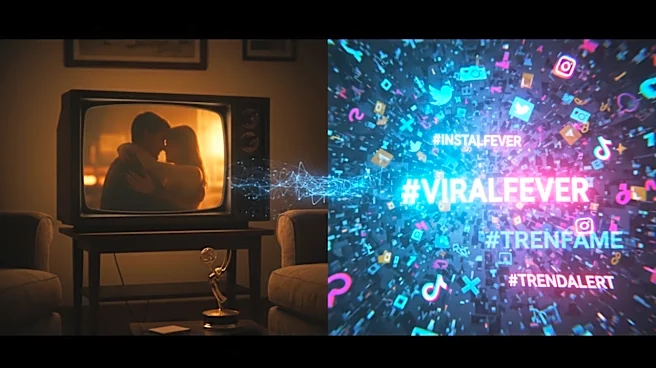
Ultimately, a successful cast reunion functions as a modern cultural ritual. In an increasingly fragmented media landscape, these events bring a massive, unified audience together to celebrate a piece of shared history. The act of watching—and the subsequent wave of memes, reactions, and online discussions—becomes a communal experience. Fans feel seen when they watch a global audience shed the same tears over the same moments. It confirms that the hours spent watching, debating, and loving a show were part of a collective phenomenon. The reunion isn't just a look back at a television program; it's a celebration of the community that formed around it, providing a powerful reminder of the ways stories can bring people together.