

The Experience Is the Product
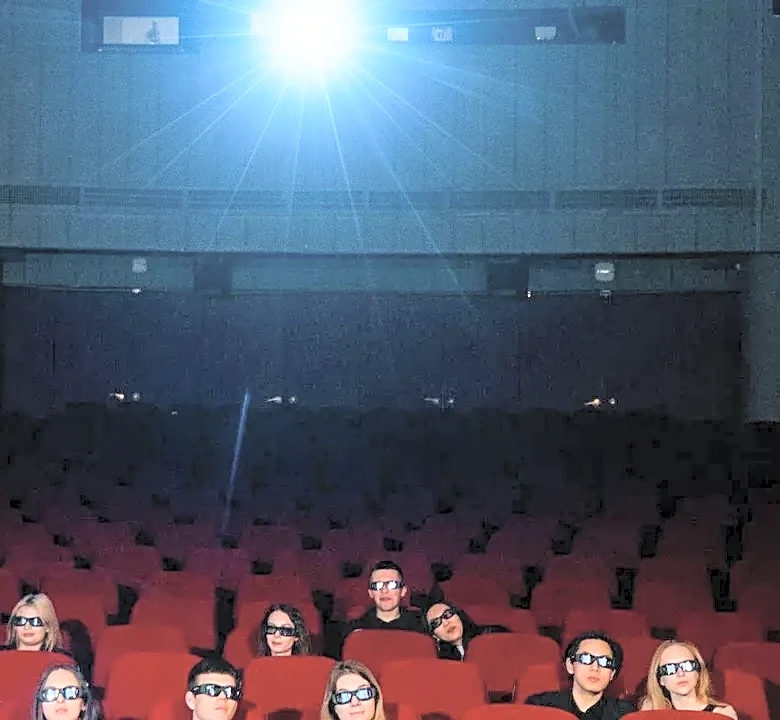
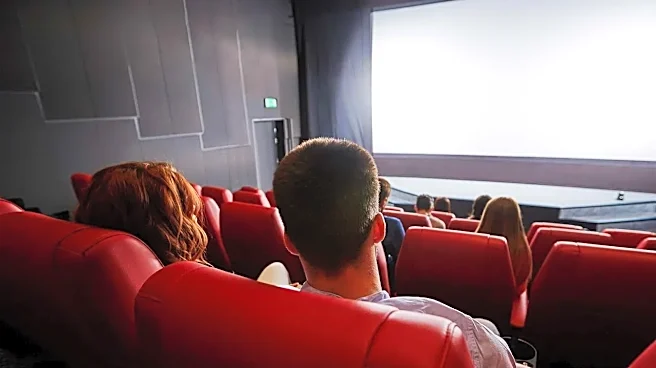
When a studio re-releases a film like John Carpenter’s 1978 classic 'Halloween', they aren't just selling the movie; they're selling an event. You can stream it anytime, but you can’t replicate the feeling of being in a dark theater, surrounded by strangers
all jumping at the same time. The communal experience is especially potent for horror. There's a palpable energy in a room full of people collectively holding their breath or screaming in unison. That shared experience becomes a memory, transforming a passive viewing into an active, social outing. As one cinema director noted, art is a conversation, and the audience is part of that. People crave that sense of togetherness, and re-releases offer a low-stakes, high-reward way to get it.
The Audience Is the Marketing Team
Modern blockbusters have nine-figure marketing budgets. A Halloween re-release has something more powerful: a built-in army of evangelists. For these films, the audience effectively becomes the marketing department. Traditional word of mouth has been supercharged by social media, where a single post can reach thousands instantly. Fans don't just recommend the movie; they organize group viewings, share nostalgic memories, and create a wave of organic hype that money can't buy. Studios with re-releases don't need to convince anyone the movie is good; the film's legacy and its fans do all the heavy lifting. This digital word of mouth is so effective because it feels authentic—it’s a genuine recommendation from a friend or a passionate fan, not a slick advertisement.
Nostalgia as a Driving Force
Nostalgia is a powerful draw, but it's about more than just remembering a film. It's about remembering who you were when you first saw it. Seeing a beloved horror movie on the big screen again is a form of time travel. It taps into memories of seeing it with high school friends, at a sleepover, or on a first date. This emotional connection is a huge driver of ticket sales for older franchises. Studios understand this well. That's why established properties, from 'Scream' to 'Friday the 13th', see consistent returns. The film itself is a known quantity, a 'sure thing' in an industry that prefers to avoid risk. This year's theatrical run of the original 'Halloween', with nearly 2,000 U.S. screenings, is a testament to this enduring appeal, with its distributor noting that new fans discover the classic every year alongside the die-hards.
Low Risk, High Reward
From a business perspective, re-releasing a classic is one of the safest bets a studio or theater can make. The production costs are zero, and the marketing costs are minimal, relying almost entirely on the word-of-mouth machine. The film already has a proven track record and a dedicated fanbase. For theaters, these films can fill programming gaps, especially during a horror-heavy month like October, with a guaranteed audience. While new, original horror films like 2026's 'Obsession' and 'Backrooms' have seen incredible success fueled by online buzz, they still represent a gamble. A re-release, by contrast, is a known commodity. It's the cinematic equivalent of comfort food—familiar, reliable, and almost always satisfying for those who show up.