



The Spark and the Sketch
Every garment begins not with fabric, but with an idea. Months before the frantic energy of NYFW takes hold, a designer develops a collection's central theme. This concept—inspired by anything from modern art to a vintage film—guides the initial sketches.
These drawings are more than just pretty pictures; they are the first attempt to capture the silhouette, movement, and mood of the final piece. This is where the core of a tailored look is born, defining the sharp line of a shoulder, the precise drape of a lapel, or the dramatic volume of a sleeve long before a single thread is sewn.
The Humble Prototype, or 'Toile'
The first three-dimensional version of the sketch is rarely made from luxurious fabric. Instead, designers create a "toile" (pronounced ‘twahl’), a mock-up typically sewn from inexpensive cotton muslin or calico. This prototype is the single most critical step in perfecting a tailored garment’s fit. It allows the designer to test the 2D paper pattern on a real body or dress form, transforming a flat drawing into a tangible shape. During this stage, the toile is pinned, drawn on, and often cut apart and re-pinned as the team makes crucial adjustments to proportions and seams, ensuring the design translates flawlessly before the expensive final fabric is even touched.
The Agony and Ecstasy of Fittings
Once the toile is perfected, a sample garment is made in the real fabric for a series of intense fittings. This is where the garment truly comes to life. Models are brought in, and under the exacting eyes of the designer and head seamstress, every detail is scrutinized. Does the jacket pull when the model walks? Does the trouser break at the correct height? Is the armhole restrictive? The fitting room becomes a high-stakes workshop where millimeters matter. Adjustments are marked with pins and chalk, and the garment is sent back to the atelier—the design studio’s workshop—for re-stitching, sometimes over and over again until the fit is absolutely impeccable.
A Symphony of Stitches
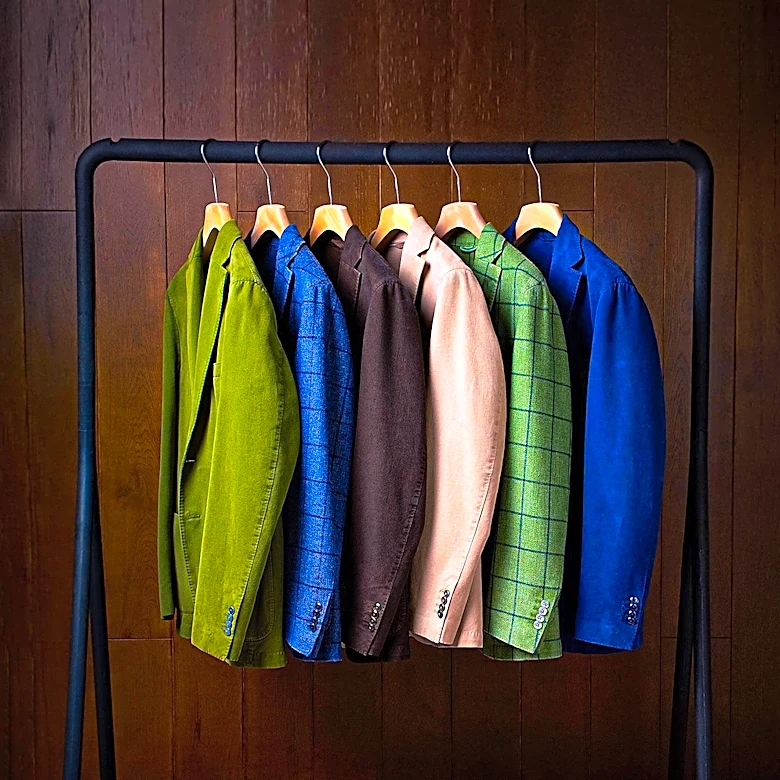
With the fit locked in, skilled artisans begin constructing the final runway piece. This is a process of painstaking precision. For a tailored jacket, this might involve hand-padding lapels to give them the perfect roll, carefully setting in sleeves to create a strong shoulder line, and applying intricate finishing touches that separate haute couture from ready-to-wear. The choice of fabric, finalized months ago, now shows its true character as it’s cut, stitched, and pressed into its final form. This stage is a quiet, focused contrast to the chaos to come, a testament to the pure craft of tailoring.
The Final Frenzy Before the Runway
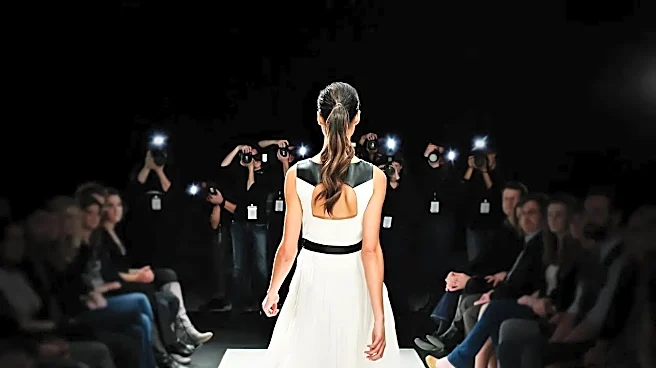
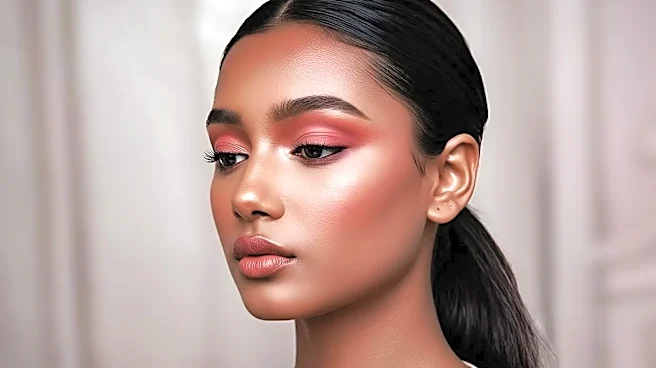
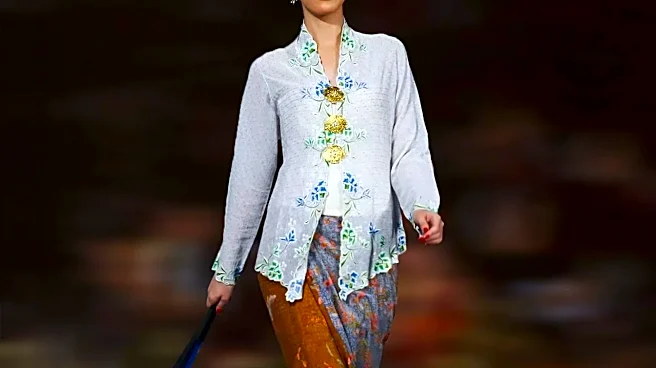
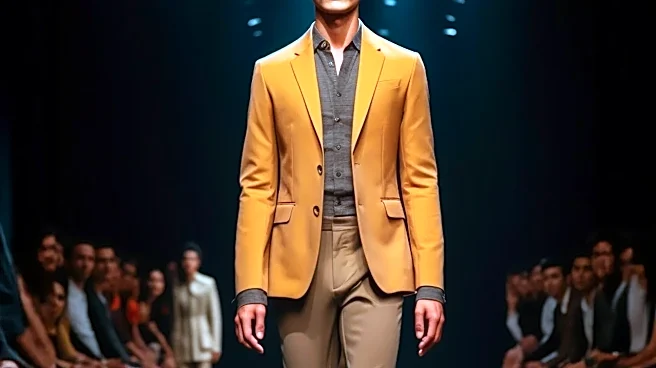
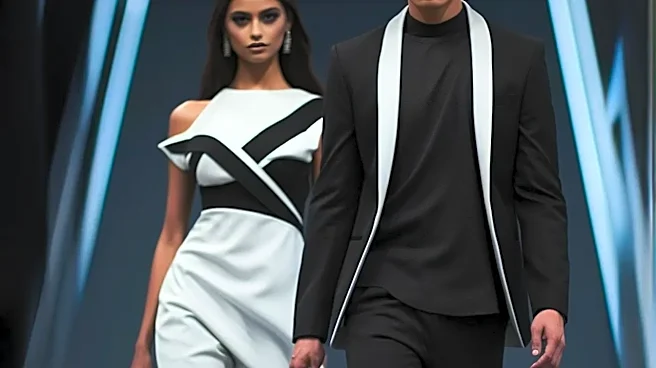
In the final days and hours before the show, the backstage area is a scene of controlled chaos. Dressers, stylists, hair and makeup artists, and the designer all swarm around the models. Here, the fully constructed garment has its last-minute check-up. A hem might be tweaked, a button reinforced, or a stubborn crease steamed away. The stylist adds the finishing touches—the shoes, the jewelry, the handbag—that complete the look and tie it into the collection's story. Then, in a final lineup, the designer gives each look one last inspection before sending the model out under the bright lights of the runway, culminating months of work in a few perfect, fleeting steps.