




The Challenge of Following a Breakthrough
By 1993, Soundgarden was at a crossroads. Their 1991 album, 'Badmotorfinger,' had launched them into the mainstream, but they were still seen alongside Seattle peers like Nirvana and Pearl Jam. For their next record, the band, and especially chief songwriter
Chris Cornell, wanted to make a definitive statement that was uniquely their own. They felt the need to evolve beyond the aggressive, heavy sound they had perfected and explore more nuanced, psychedelic territory. To do that, they decided to move on from producer Terry Date, who had helmed their previous two albums, in search of a new collaborator. They needed someone who could push them into uncharted sonic territory.
A Producer with a Difficult Reputation
The band chose Michael Beinhorn, a producer known for his work with the Red Hot Chili Peppers and Soul Asylum. Beinhorn had a reputation for being meticulous, demanding, and hands-on—qualities that often led to friction with artists but also produced career-defining albums. Cornell and the band were drawn to the fact that Beinhorn didn't have a signature sound he stamped on records; instead, he was known for being 'almost anal' about capturing unique sounds and pushing bands to their creative limits. It was a high-risk, high-reward choice. Beinhorn himself admitted that his intense process could frustrate musicians, but it was all in service of making the best possible record.
The Label's Pushback and a Standoff
A&M Records was not thrilled. Hearing stories of Beinhorn's difficult methods and high budgets, the label reportedly tried to get the band to replace him. The conflict wasn't just about business; it was about creative philosophy. The initial demos Cornell sent to Beinhorn were met with a startling response: they weren't good enough. Beinhorn told Cornell he was writing 'second-rate Soundgarden songs' because he was trying to please existing fans. He challenged Cornell, asking him what music he truly loved. Cornell's answer? 'The Beatles and Cream'. Beinhorn's advice was simple: stop writing for an audience and write for yourself. This tough love was exactly what Cornell needed, but it was the kind of confrontational style that made record executives nervous.
Vindication in 'Black Hole Sun'
Cornell took the advice to heart. Just a few weeks later, he sent Beinhorn a new demo tape. On it were the foundations of 'Fell on Black Days' and a song that would change everything: 'Black Hole Sun'. Beinhorn knew immediately that they had struck gold. That one song was the ultimate vindication of Cornell's decision to stick with his chosen producer. It was proof that Beinhorn's challenging approach was unlocking a new level of artistry. With the label's objections effectively silenced by the sheer quality of the new material, the band proceeded with Beinhorn, beginning the arduous but fruitful recording sessions at Seattle's Bad Animals Studio in July 1993.
A Masterpiece Forged in Tension
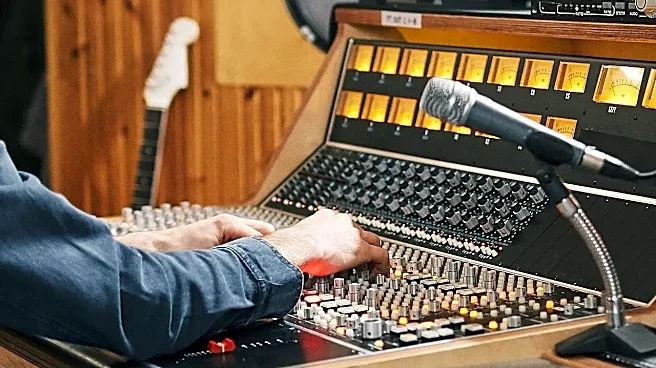
The recording of 'Superunknown' was exactly as intense as the label had feared. Beinhorn pushed every member of the band, spending days perfecting drum sounds with Matt Cameron and challenging Cornell's vocal performances until they were raw with emotion. Cornell later acknowledged the friction, noting that by the time they got the perfect sound for a song, they were tired of playing it. Yet, this tension was the crucible in which 'Superunknown' was forged. The album's experimental tunings, odd time signatures, and layered, psychedelic production were a direct result of Beinhorn's relentless pursuit of something new and Cornell's willingness to be pushed. It was a creative battle that everyone won.