



Schiaparelli: For the Playful Surrealism
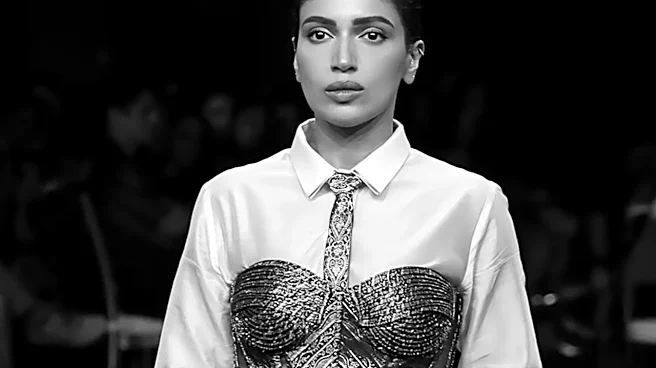
If you admired the audacious, almost-absurdist showmanship Lagerfeld brought to Fendi, Daniel Roseberry’s Schiaparelli is your next destination. Lagerfeld loved to provoke, turning fur into a light, modern fabric and logos into pop art. Roseberry channels
a similar energy, drawing from founder Elsa Schiaparelli’s surrealist roots to create fashion that is both art piece and armor. His work is defined by anatomical jewelry, gilded body parts, and sharp tailoring that feels both futuristic and indebted to the past. Where Lagerfeld might have used a playful monster charm, Roseberry uses a golden lung necklace or an eyeball earring. It’s a witty, glamorous, and slightly shocking approach to haute couture that Lagerfeld, a master of grabbing attention, would surely have appreciated. Roseberry’s work asks what luxury can be when freed from convention, a question Karl posed for his entire career.
Bottega Veneta: For the Material Innovation
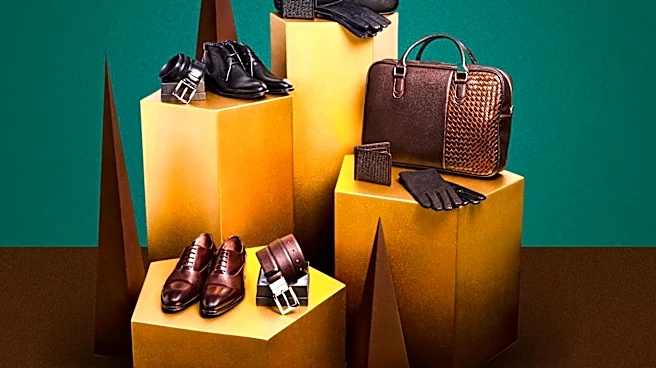
Karl Lagerfeld’s greatest contribution to Fendi was arguably his revolutionary treatment of fur, transforming it from a heavy, static material into something as pliable and dynamic as cloth. For those who obsess over that level of technical wizardry, Matthieu Blazy at Bottega Veneta is the current standard-bearer. Blazy’s entire project is built on a similar foundation of material deception and supreme craftsmanship. He creates what appear to be simple flannel shirts, tank tops, and denim jeans that are, upon closer inspection, meticulously crafted from the supplest leather. This is “quiet luxury” with a secret, a trompe l'oeil effect that prioritizes tactile sensation over loud branding. It shares a direct philosophical line with Lagerfeld’s Fendi: a belief that the ultimate luxury lies in pushing a material beyond its known limits, creating something new, exciting, and utterly modern in the process.
Loewe: For the Intellectual Craft
Lagerfeld’s designs for Fendi were always underpinned by a sharp intellect and a deep appreciation for the history of craft. That same spirit—a blend of the cerebral and the artisanal—is the driving force behind Jonathan Anderson’s tenure at Loewe. Anderson has transformed the Spanish leather house into a hub for intellectual, often quirky, and beautifully made fashion that celebrates the hand of the artisan. His collections might feature pixelated sweaters that look like digital glitches, dresses with surrealist anthurium bodices, or bags woven with an almost academic precision. This approach mirrors Lagerfeld’s ability to take a classic concept, deconstruct it, and put it back together in a way that feels completely fresh. For the Fendi fan who appreciated the layers of thought and the commitment to exquisite, sometimes strange, craftsmanship, Loewe offers a similarly rewarding experience.
Dior Men: For the Modern Heirs
The most direct successor to Karl Lagerfeld’s legacy is, in many ways, the man who eventually took his place at Fendi: Kim Jones. While Jones stepped down from Fendi's womenswear in late 2024 to focus on Dior Men, his work at Dior showcases the very principles that made Lagerfeld’s Fendi so potent. Jones possesses a curator’s eye and a collaborator’s spirit, blending house codes with streetwear energy and contemporary art in a way that feels perpetually relevant. His ability to honor a brand’s heritage while relentlessly pushing it forward is pure Lagerfeld. He infuses Dior’s tailoring with a modern ease and turns accessories into cult objects, all while maintaining a deep reverence for the atelier’s craftsmanship. By observing his work at Dior, you see the continuation of a method: respect the past, embrace the now, and always keep an eye on what’s next.