





Defining the 'Pixar Problem'
For years, Pixar Animation Studios operated on a near-perfect formula: create a stunning, emotionally resonant, and wholly original film. Think 'Finding Nemo,' 'Up,' or 'WALL-E.' The stories felt complete. But then came the sequels. While commercially
successful, films like 'Finding Dory' and 'Cars 2' highlighted what you could call the 'Pixar Problem.' When you follow up a masterpiece with a sequel that feels more commercially driven than creatively necessary, you risk diluting the magic of the original. The brand, once synonymous with groundbreaking originality, became reliant on revisiting past glories, with each new installment carrying the risk of diminishing returns and tarnishing a perfect legacy.
How Disney Animation Used to Be Different
For decades, Walt Disney Animation Studios (WDAS), the house that Snow White and Cinderella built, operated under a different model. Its landmark films—'The Little Mermaid,' 'Beauty and the Beast,' 'Aladdin,' 'The Lion King'—were treated as singular cinematic events. Their stories were self-contained. Of course, sequels existed, but they were overwhelmingly relegated to the lower-stakes, direct-to-video market. 'The Return of Jafar' or 'The Lion King II: Simba's Pride' were afterthoughts, not cultural touchstones. This strategy, whether intentional or not, preserved the sanctity of the original films. The theatrical masterpieces remained untouched, their legacies secure and undiluted by lesser follow-ups.
Live-Action Remakes: A Backdoor Sequel Strategy
Enter the era of live-action remakes. On the surface, these films are a new take, but in practice, they function much like the sequels Pixar produces: a way to franchise a completed story. By recreating animated classics with photorealistic CGI and human actors, Disney found a way to cash in on nostalgia without calling it a direct sequel. Yet, this strategy imports the 'Pixar Problem' directly into the WDAS library. Critics often point out that these remakes lack the soul of the originals, swapping expressive animation for a drab and sometimes unsettling realism. They are often criticized as creatively hollow exercises that can't justify their own existence beyond the bottom line.
Why 'Moana' Is the Tipping Point
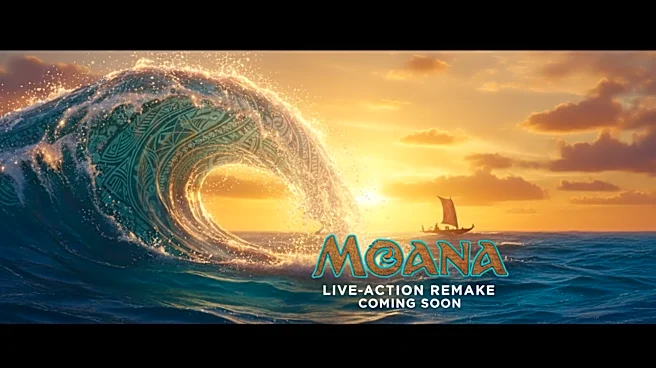
Remaking animated films from the 1990s is one thing; remaking 'Moana' feels like a paradigm shift. The 2016 film is not a distant, nostalgic memory but a modern classic celebrated for its cutting-edge animation. A live-action version starring Dwayne Johnson, who reprises his role as Maui, and newcomer Catherine Laga'aia as Moana, isn't mining nostalgia from a bygone era; it's rebooting a story that hasn't even had a decade to breathe. It exposes the remake strategy for what it is: a rapid-cycle content churn. The very existence of this remake, set for a July 2026 release, alongside an animated 'Moana 2' and talk of a third, shows Disney's willingness to franchise its animated properties as aggressively as any other studio.