





The Genius of the Gel-Cream Hybrid
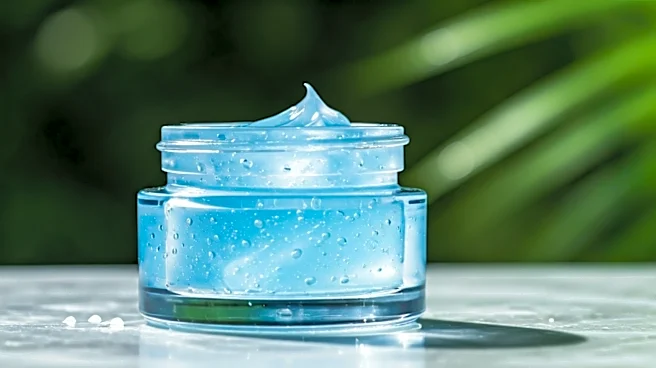
The perfect solution for sweltering days is a gel-cream moisturizer. It's the best of both worlds, combining the weightless, quick-absorbing nature of a gel with the lasting hydration of a cream. Unlike traditional thick creams that are often oil-based,
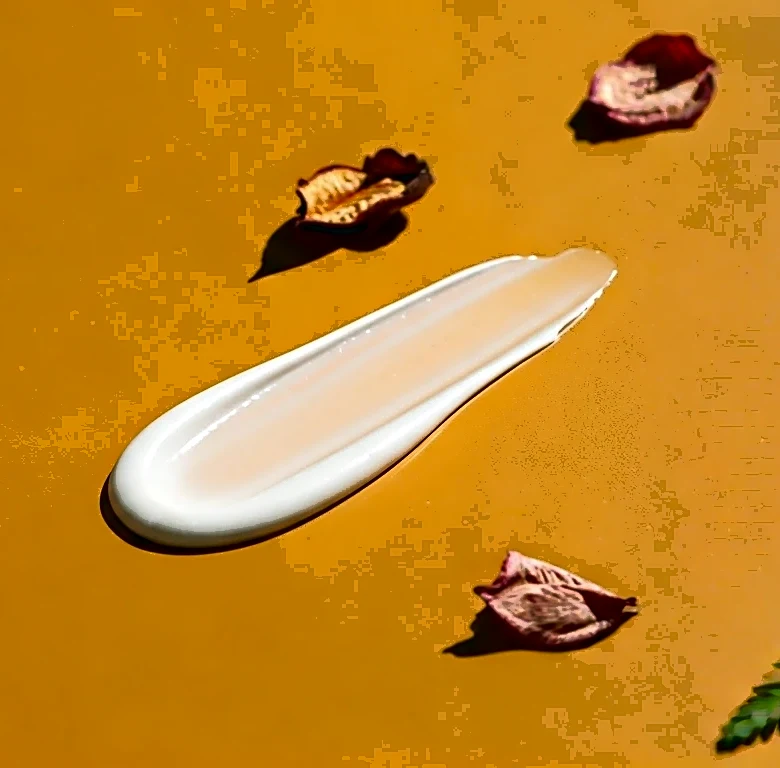
gel-creams are primarily water-based. This means they deliver essential moisture without leaving a greasy film or clogging pores, a common concern when your skin is already producing more oil and sweat in the heat. The texture is refreshing and often has a cooling effect, which is a welcome bonus after a day in the sun. They absorb quickly, creating a smooth, hydrated base that won’t cause your foundation to slide off—a major advantage for anyone wearing makeup in high humidity.
Key Ingredients for Weightless Hydration
When scanning the ingredients list, look for powerful humectants. These are ingredients that attract and retain water in the skin. Hyaluronic acid is a superstar in this category, famous for its ability to hold significant moisture, giving skin a plump, dewy look without any heaviness. Another hero ingredient is glycerin. It not only draws moisture into the skin but also helps improve your skin’s natural barrier function over time, making it more resilient. Many of the most effective gel-creams use both, creating a synergistic effect that provides immediate surface hydration from the hyaluronic acid and long-lasting moisture from the glycerin. These ingredients ensure your skin gets the water it needs to stay balanced, which can actually help control excess oil production that goes into overdrive when skin is dehydrated.
Building Your Summer Skincare Edit
Integrating a gel-cream into your routine is about more than just swapping one product. It’s an opportunity to create a streamlined “summer edit.” Start with a clean face. After toning or applying any lightweight serums, use a dime-sized amount of your gel-cream moisturizer. Massage it in gently and give it a minute or two to fully absorb before the most critical step: sunscreen. The general rule endorsed by dermatologists is to apply moisturizer first, then sunscreen. This allows the moisturizer to hydrate the skin properly while the sunscreen forms a protective shield on top. Applying sunscreen last ensures its SPF value isn't diluted or disrupted. For an extra refreshing treat, you can even store your gel-cream in the refrigerator for a cooling boost on particularly hot days.
Will It Work for My Skin Type?
One of the greatest strengths of gel-creams is their versatility. For those with oily or acne-prone skin, they are often a perfect match, providing necessary hydration without contributing to shine or breakouts. People with combination skin also benefit from the balanced formula that hydrates dry patches without overwhelming oilier zones. But what about dry skin? While a rich cream might be necessary for harsh winter conditions, many with dry skin find a quality gel-cream is sufficient for humid summer months, preventing that heavy, suffocating feeling. If you have very dry skin and spend a lot of time in air conditioning, you might still prefer a light cream, but for general summer use, a gel-cream often strikes the ideal balance.